fall inside a hole
Betamax tapes
Betamax tapes from different manufacturers. Click the
images for higher resolution versions in the
image database.
| Sony | Scotch - TDK | BASF - Maxell - Fuji | Other | Commercial - Industrial |
Selected Commercial Releases
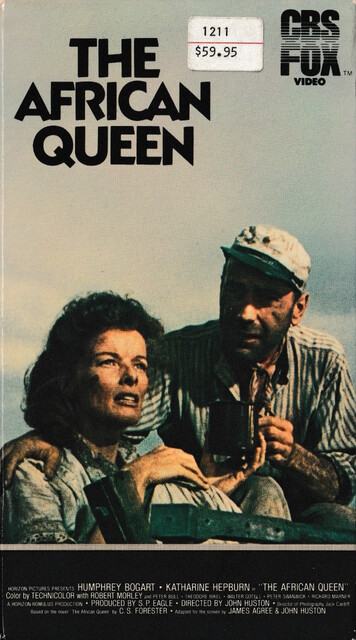
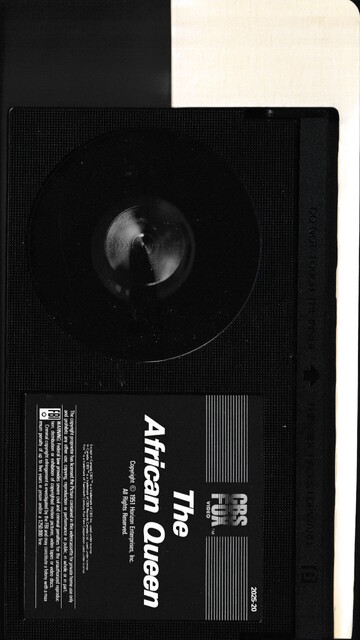
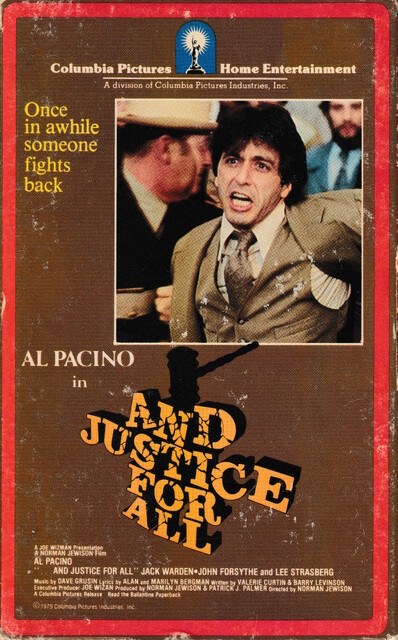
Shown here are a few different styles of commercial Beta tape releases, mostly to show some of the different packaging styles throughout the years.
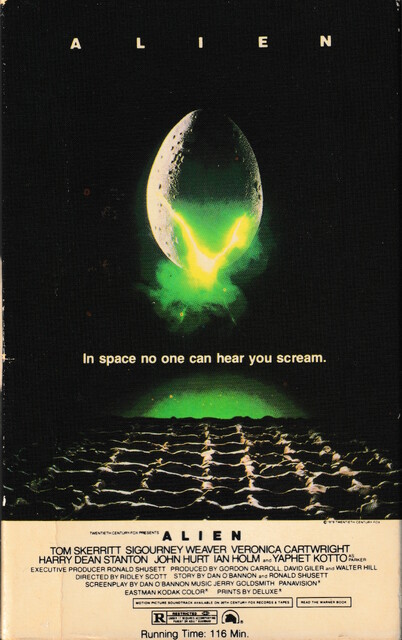
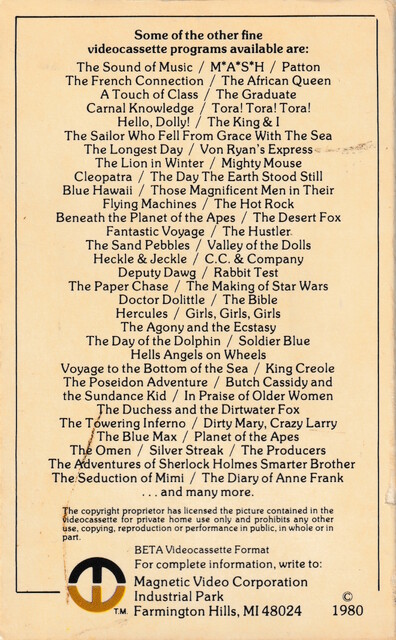
| Widely accepted as the first large Betamax and VHS duplication house, early Magnetic Video Corporation releases had this cutout in the front so that one reel could be seen through the box | |||
|
|

|
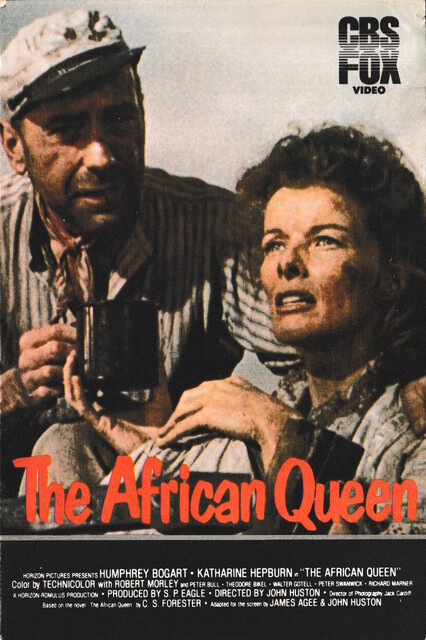
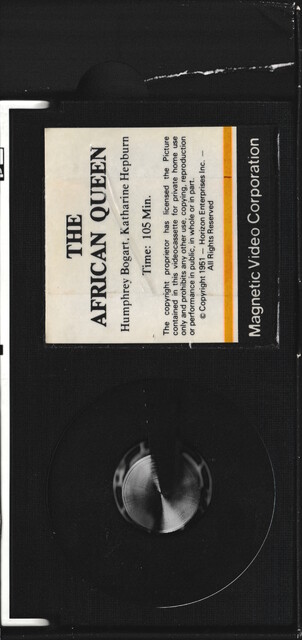
Another earlier Magnetic Video Corporation design which ended up being much closer to what would become the most common commercial slipcase design for VHS and Beta, a simple sleeve with the bottom left open |
|
|

|
An early style of case used for both VHS and Beta was this drawer-like design used by Magnetic Video Corporation after becoming CBS Fox Video, with a shared cardboard outer sleeve and a different inner tray insert that was marked VHS or Beta on the spine so that when inserted the format would be shown through a window in the spine |
|
|

|
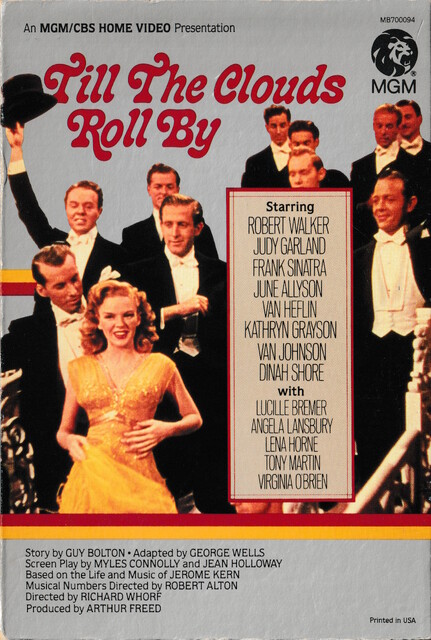
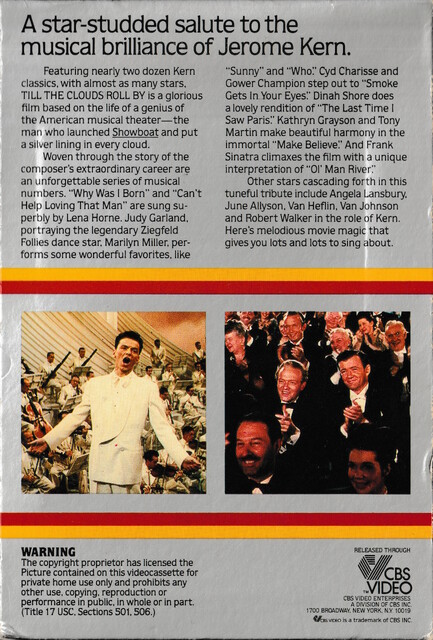
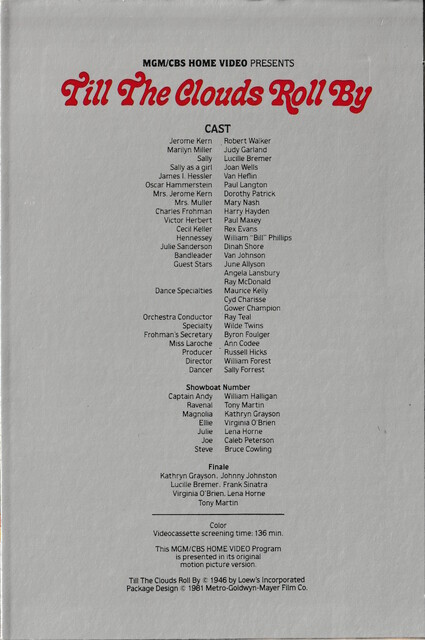
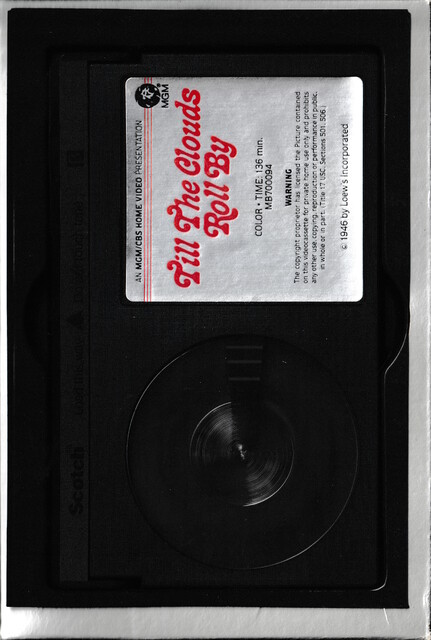
Another early case design used for both formats was this frontloading big box design with a flapped front used by MGM and some others. The Beta sized box was approximately the height of a regular VHS sleeve but wider, while the VHS equivalent was larger than the common VHS box in both dimensions |
|
|
||
|
|

|
Later on, Beta tapes would sometimes be packaged with a cardboard spacer into the same boxes as the VHS release, with a blue Beta sticker stuck over where the boxes said VHS originally |
|
|

|
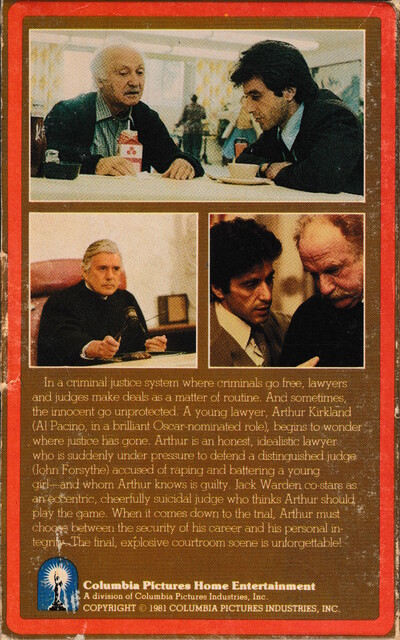
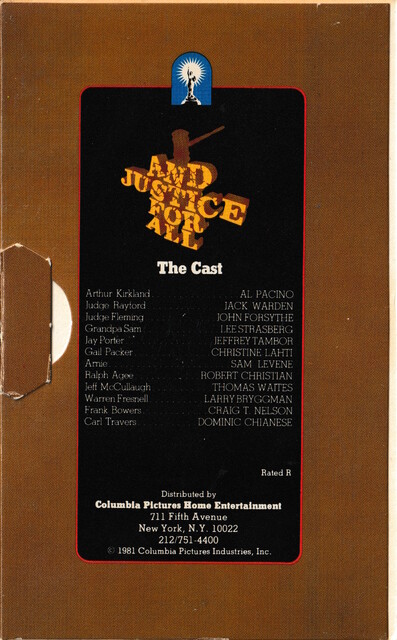
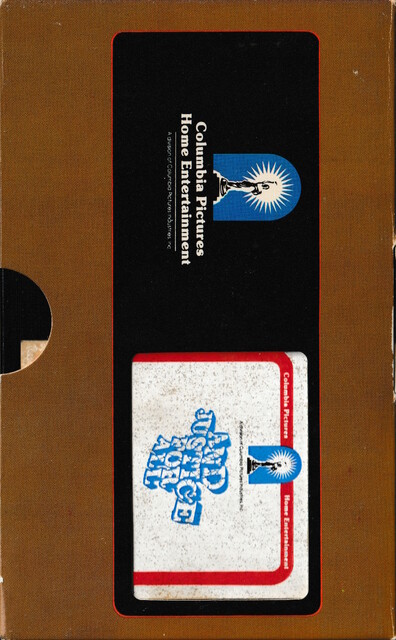
In the early 80s, Columbia Pictures, Paramount, and others used a fully enclosed style of box similar in size to the cassette itself but with a front flap that opened to allow the tape to be taken out from the inside |
|
|
A window in the inner sleeve lets the tape label (or, if desired, the supply reel) peek through. The tabs that close the front covers on this style of case are sometimes ripped off | |
 |
 |
 |
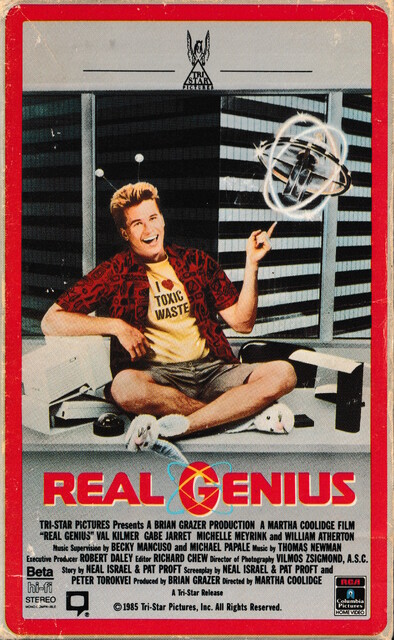
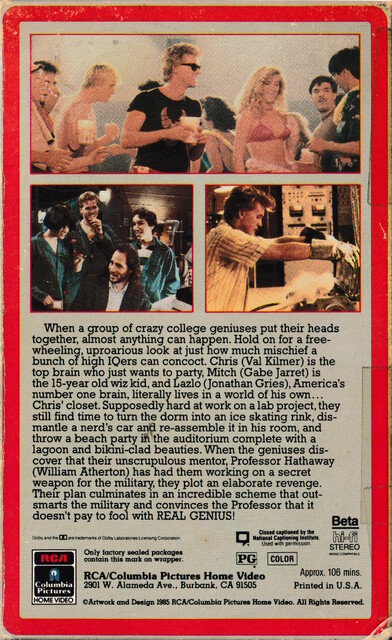
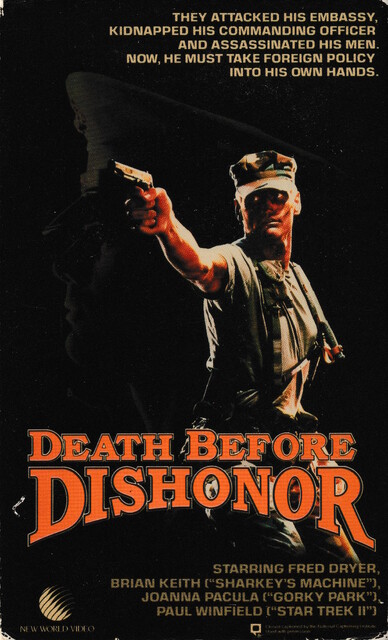
Some later RCA-Columbia Pictures Beta and VHS releases were side-loading like blank tapes instead of bottom loading like most commercial releases. These cases had a cardboard flap over the side that had to be opened to get the tape out, and are often found with the flap torn off or the bottom of the case torn open |
|
 |

|
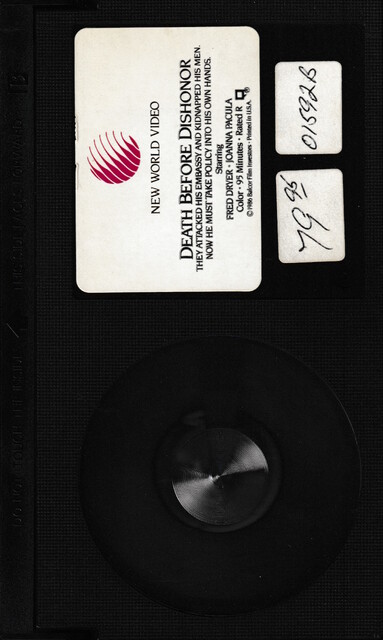
Some manufacturers produced one size of tape labels that were shorter than the Beta label space and thinner than the VHS label space so that they could fit both |

|
 |

|
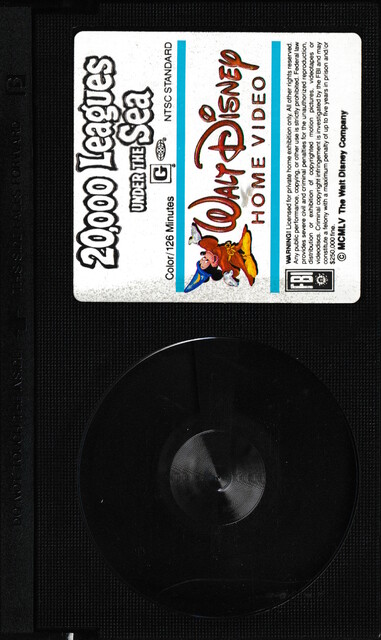
Interestingly, some manufacturers (most commonly Disney) used Beta sized labels on both VHS and Beta releases, leaving the labels oddly hanging over on VHS |
|
|

|
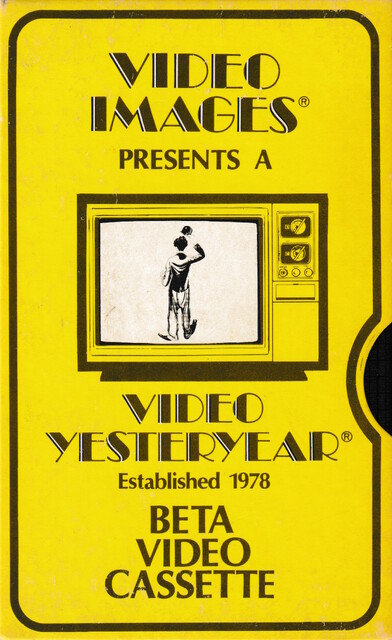
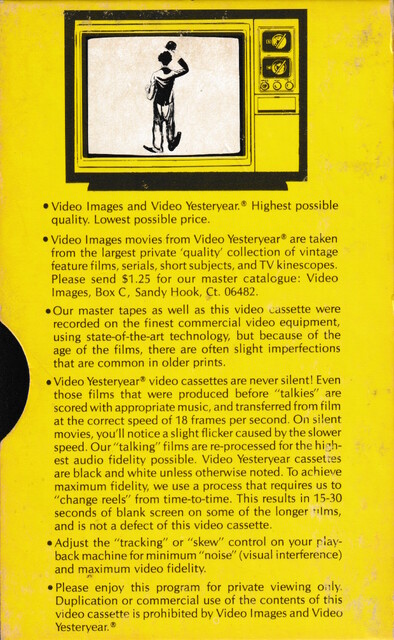
Before the advent of internet video and file sharing, tapes like these from smaller dubbing houses were a common place to find older and public domain television and movies |

|
|

|
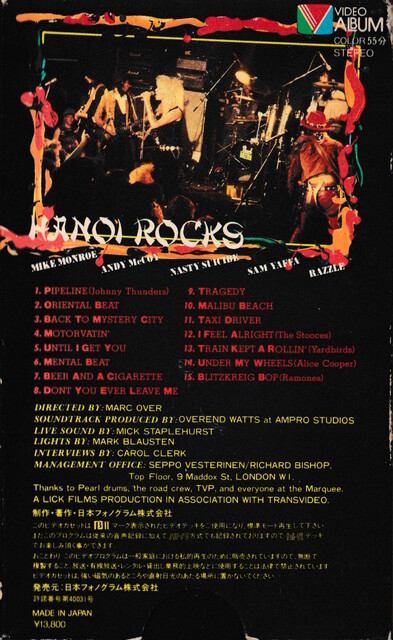
This Japanese Beta hi-fi concert video
of Hanoi Rocks makes a specific point of noting that
it is recorded in Beta II, possibly because Japan saw
more widespread early Beta adoption. Some Japanese
boxes (like this one) have a flap over the bottom
opening that is easy to open. More scans and video transfer available on the Internet Archive |
Cleaner tapes
Like VHS and other formats, a variety of manufacturers and resellers made different cleaners for Betamax. Generally, I would highly recommend against using one of the "wet-type" or "clothy" tape-type cleaners, although the "dry-type" with tape closer to regular video tape are not necessarily the worst for quickly cleaning a VCR. I'd recommend a Scotch or Sony-made cleaner.
|
|

|
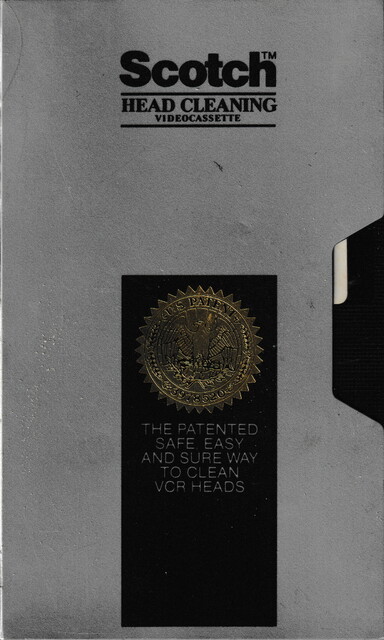
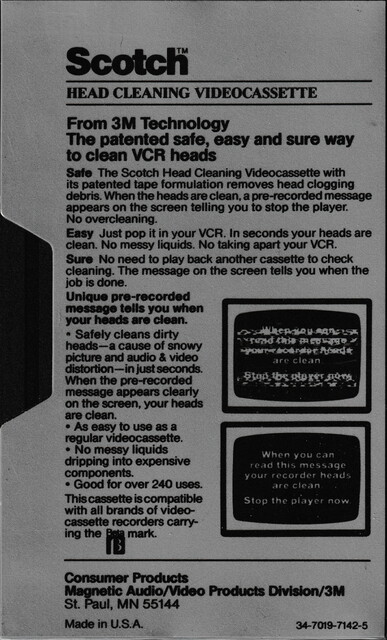
Scotch cleaning cassettes were generally less abrasive than some others, with a formulation similar enough to normal video tape to include a diagnostic message |
|
|

|
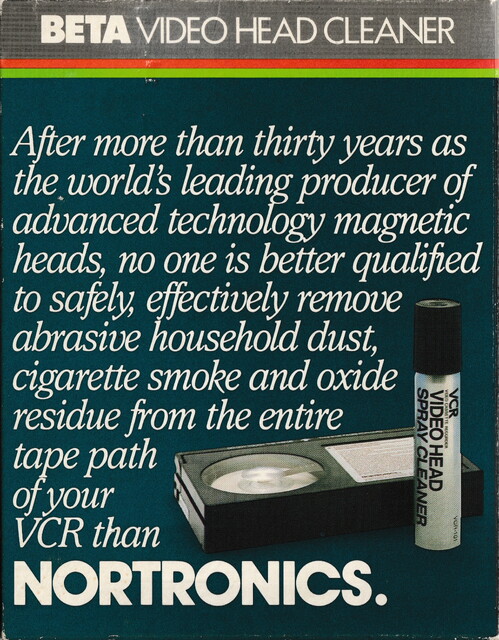
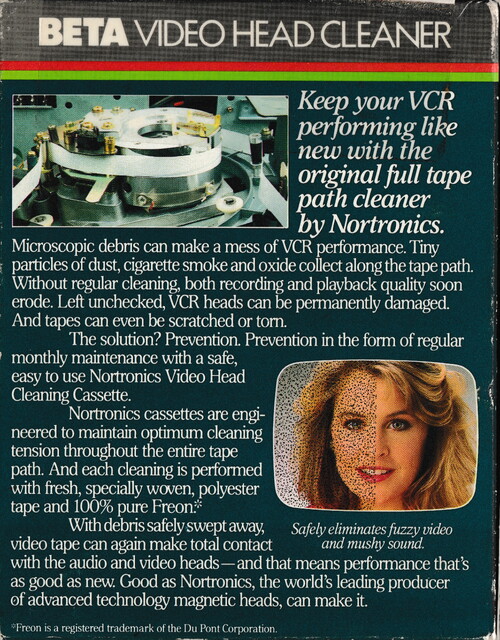
A Nortronics "wet-type" cleaner with a clothy "tape" and a bottle of Freon. I haven't used the tape, but I did use some of the Freon... |
|
|

|
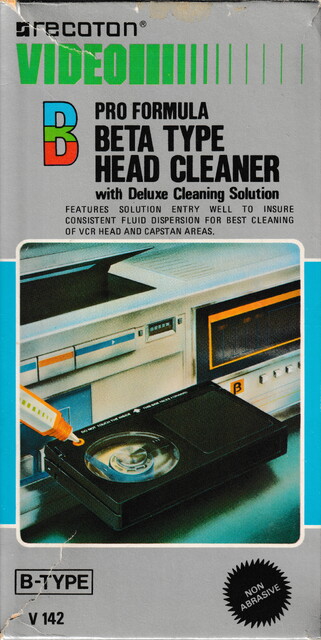
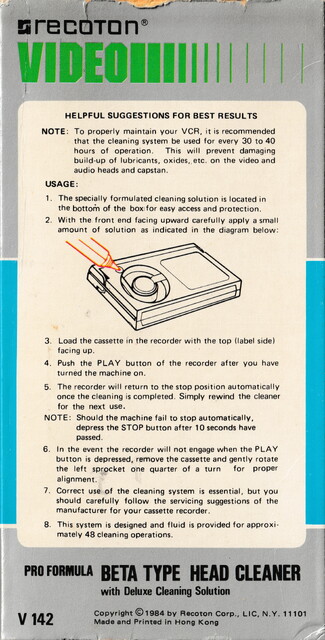
A "non-abrasive" wet-type cleaner from Recoton. I wouldn't use this one either |
|
|

|
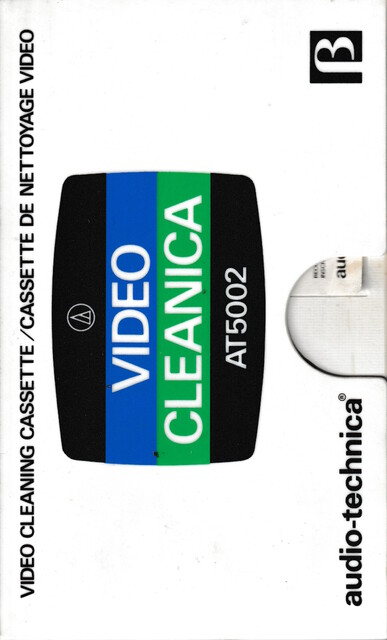
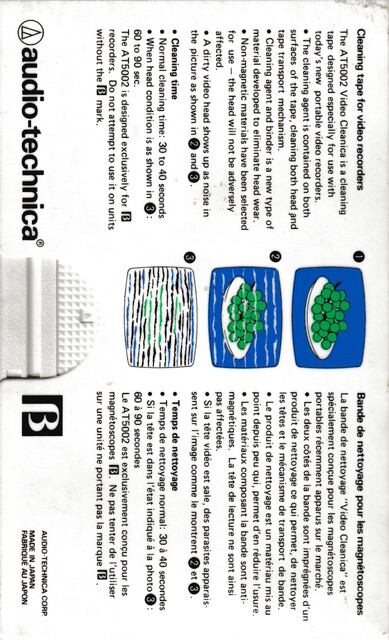
An Audio Technica "Video Cleanica" cleaner, likely OEM'ed from Sony |
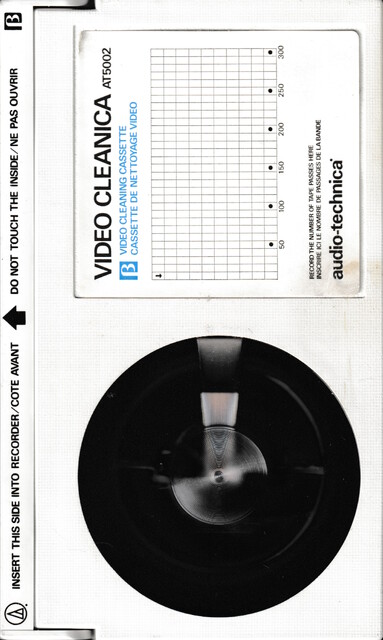 |
The cassette is fully white with boxes to mark number of uses |
Industrial-use Beta tapes
Sony sold a variety of industrial often Beta I only VCRs for school, business, and other commercial uses where they were used for company training tapes and video presentations.
|
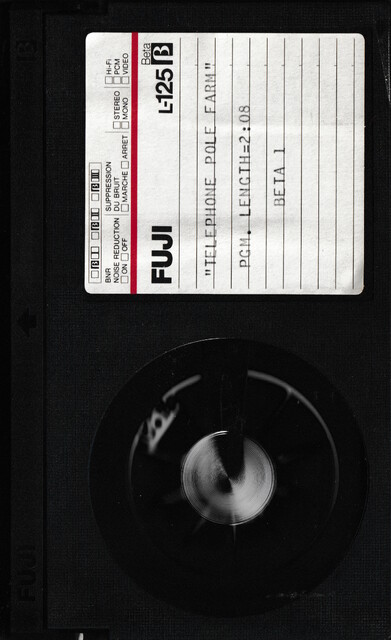 |
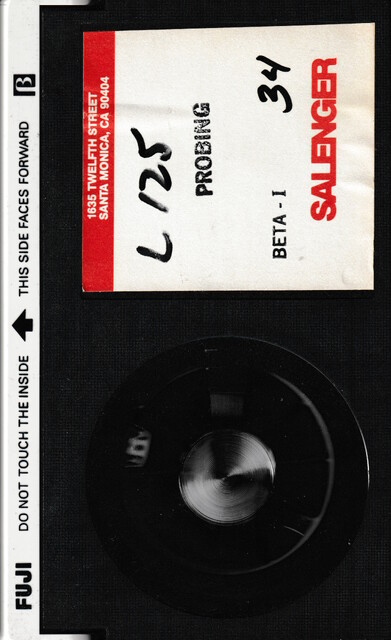
Betamax saw some adoption in education and training, where shorter length (L125, L250) tapes were often recorded in Beta I speed |
 |
|
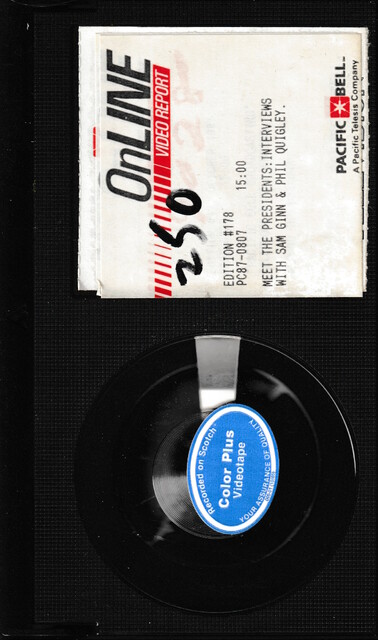
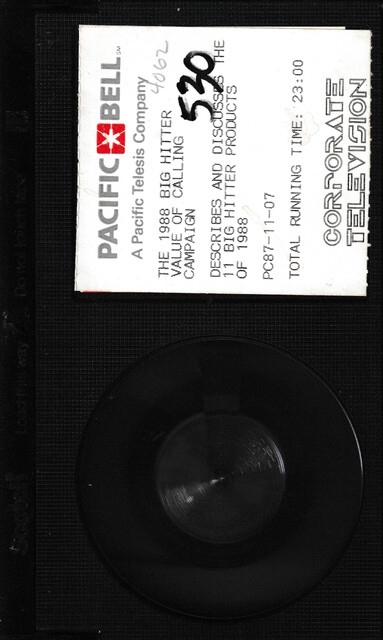
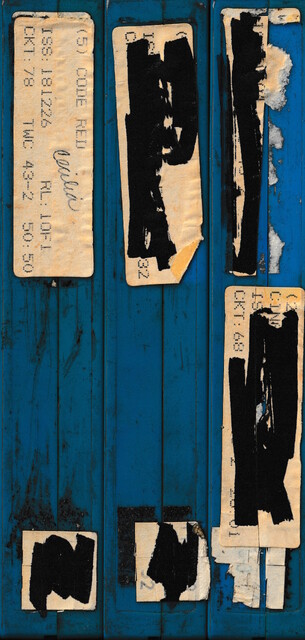
Unfortunately, none of the original recordings remain on the pictured tapes. In addition to being reused in industry multiple times (note the layers of stickers), when these tapes were phased or rotated out they would occasionally end up going home with whoever had a domestic Beta recorder and be used as short-run tape stock |
 |
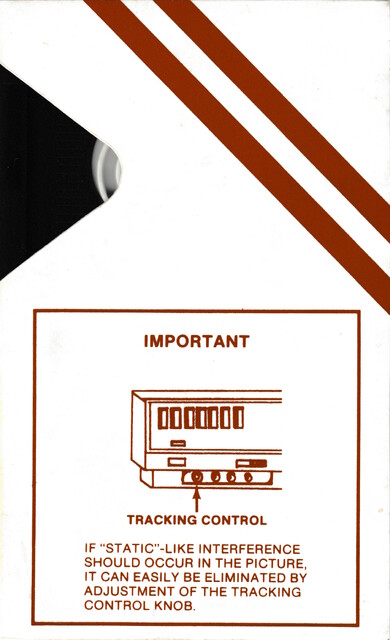 |
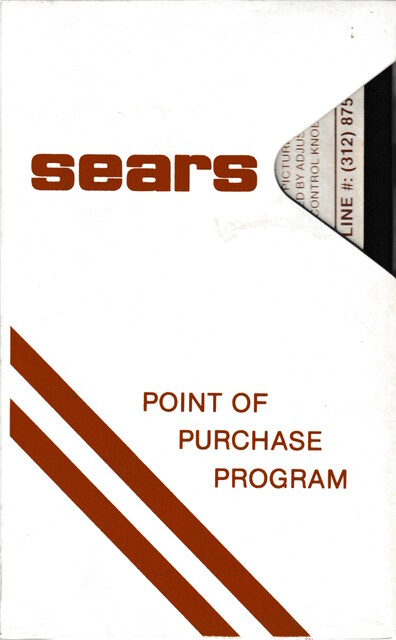
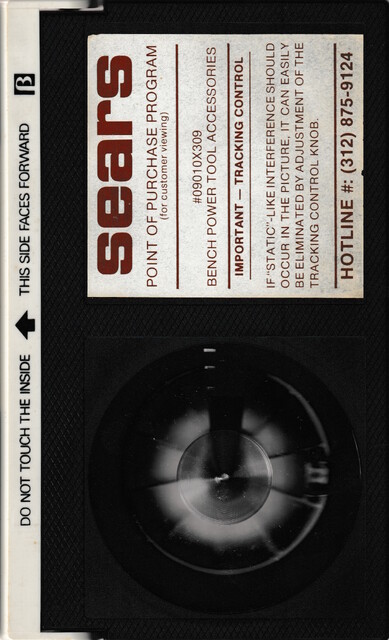
In addition to selling Beta video recorders rebadged from Sanyo and Toshiba, Sears also used Beta for in-store demonstration videos. The tracking instruction on the back shows a 1980s Sanyo-style toploader |
 |
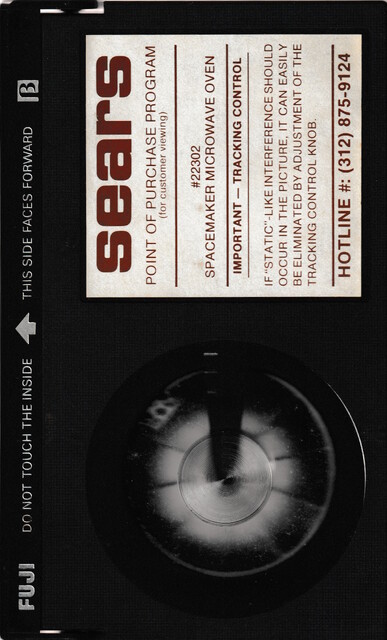 |
Two of these cassettes - the Bench Power Tool Accessories have a white commercial-style lid while the other is on a standard Fuji. The lid text is laid out similarly but the cassette front texture differs |
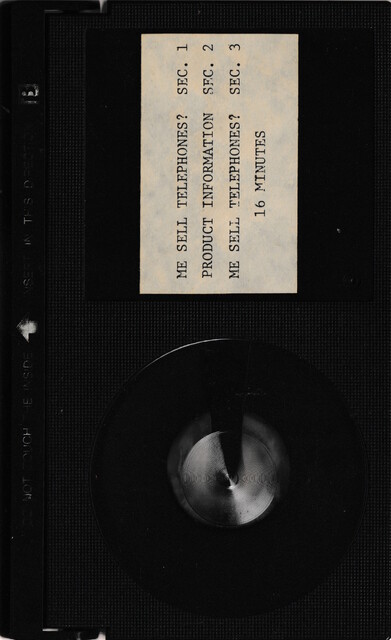 |
Another tape that I believe was from Sears, this one seemingly an employee training video rather than for customer viewing - unfortunately, like the Bell betas above, the original content was recorded over, probably by whoever ended up getting them from Sears when they were no longer in use | |
|
|
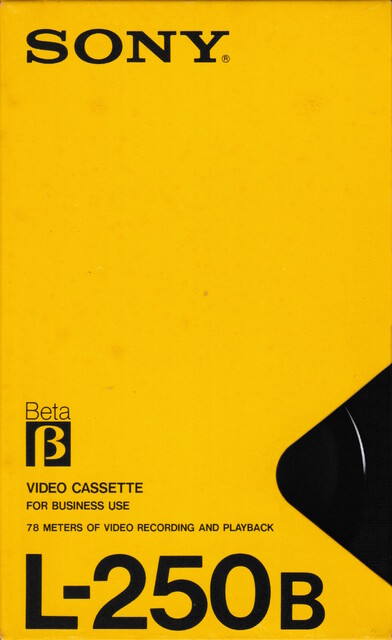
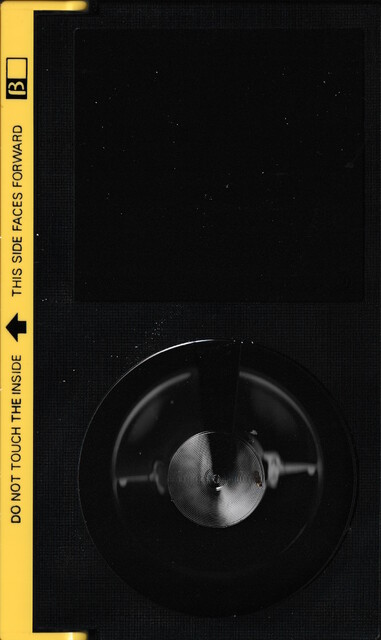
In Japan, Sony sold specific "B" variants for business use that had yellow tape flaps. If you're particularly interested in Japanese 1970s educational films about erosion telecined in the 80s at Beta I speed, you can view the recordings found on two of these tapes here |
|
|
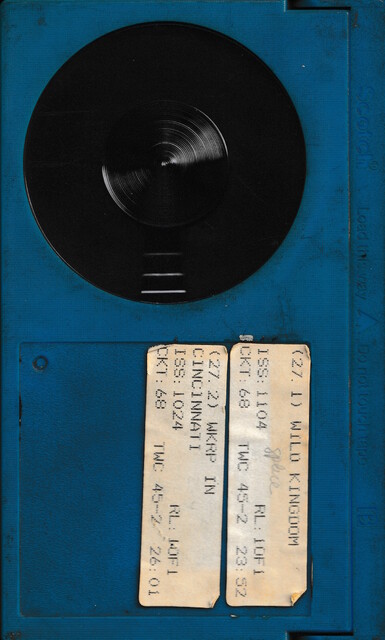
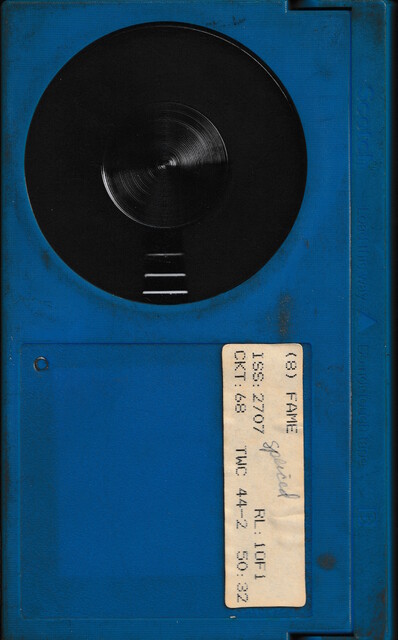
These blue Scotch cassettes are marked as U.S. Government property and somewhat oddly originally contained commercial TV programming |

|
|
| Sony | Scotch - TDK | BASF - Maxell - Fuji | Other | Commercial - Industrial |