fall inside a hole
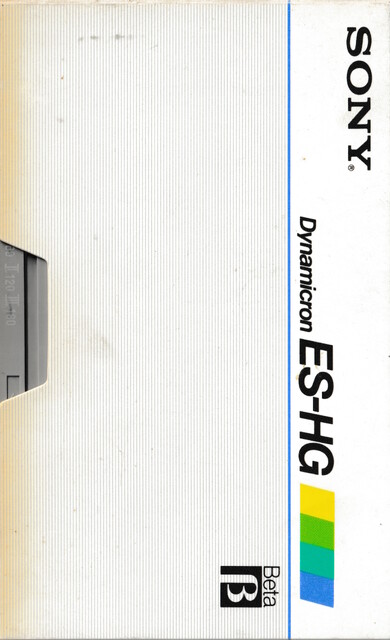
Sony Betamax tapes
Sony, the inventors and primary supporters of the Betamax format,
produced tapes from its earliest days up through the end of the
format, with a range of different lengths, designs, and tape
qualities. Click the images to be taken to the full size version in
the
image database or the other brands in the navigation bar for more
tapes.
K series tapes (1975-1977)
 |
 |
 |
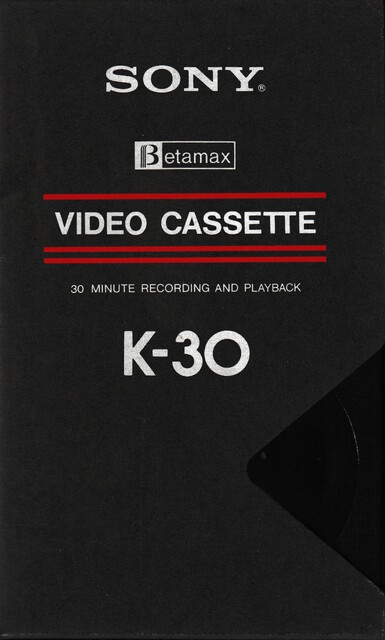
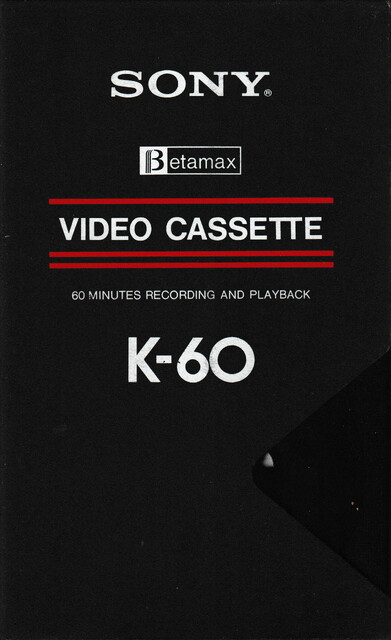
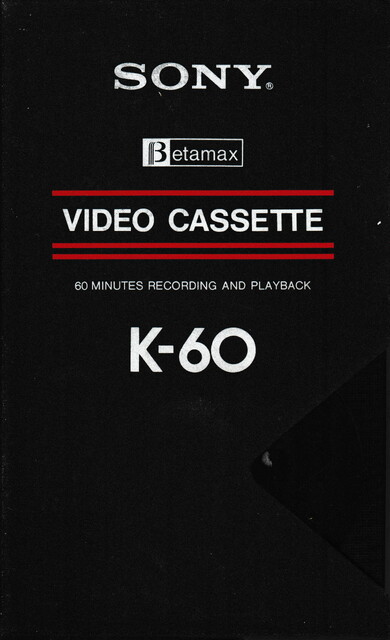
The original Sony
Betamax tape lineup included the K30 and K60 cassettes, with
the number corresponding to the recording and playback time
in minutes at the original Beta I speed |
 |
 |
 |
The maximum
recording time of one hour at introduction was comparable to
older open reel video formats as well as direct competitors
like the Sanyo V-Cord II but became the first nail in the
coffin for Betamax when VHS released with a standard tape length of two hours |
 |
 |
 |
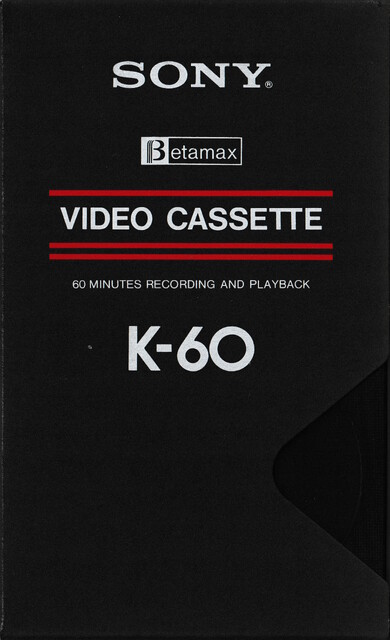
A darker, less brown
variant of the K60. The K series was fairly quickly replaced by the
first L series tapes when the standard VHS tape settled on
twice the duration of the K60s, prompting Sony to obfuscate
running time behind the more impressive sounding tape
lengths |
 |
 |
 |
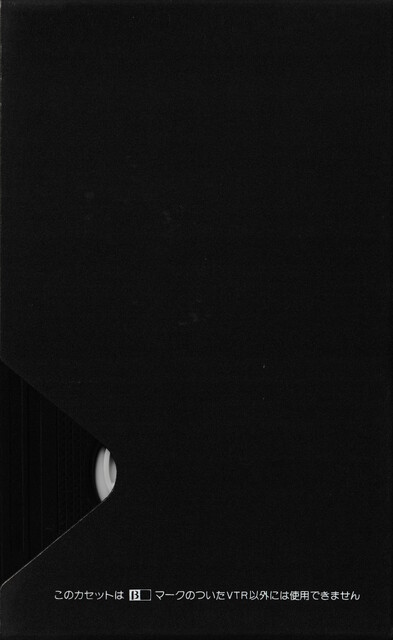
A later Japanese-market
K60 with a note about it working in any Beta-format VCRs on the
rear |
L series tapes (1977-1980)
The L series tapes obfuscated Beta's shorter runtimes behind the
larger and more familiar "L" length designations.
Japanese market
 |
 |
 |
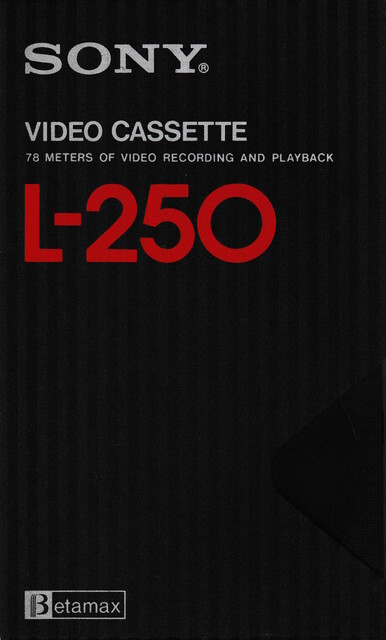
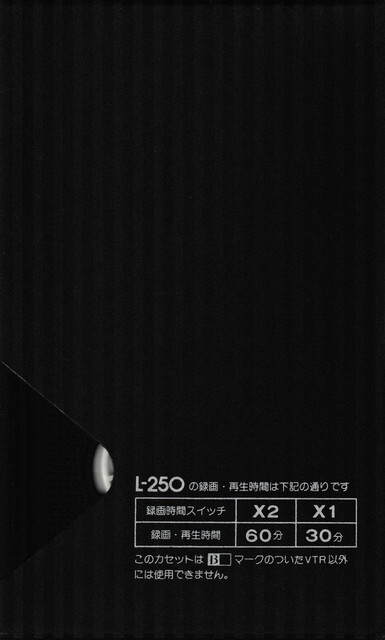
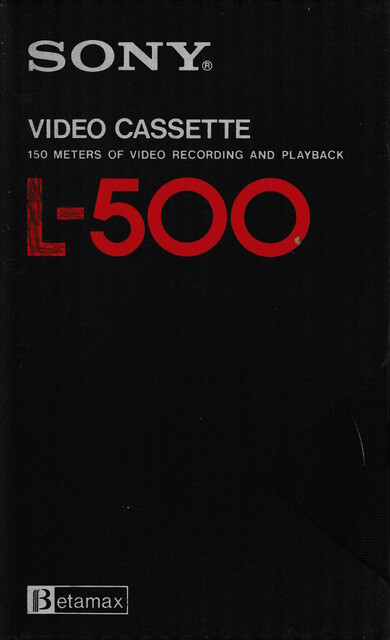
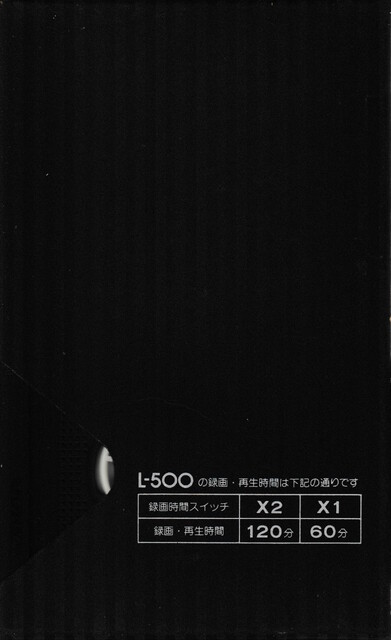
The first L series tapes came in these
subtly striped slipcases, with variations existing for
different manufacturing and sales regions |
 |
 |
 |
These early Japanese market tapes include the
original X1 and X2 designations and this L500 actually lacks the
note about Beta-mark compatibility that is seen on the
L-250 above as well as the late K-60 above that |
 |
 |
 |
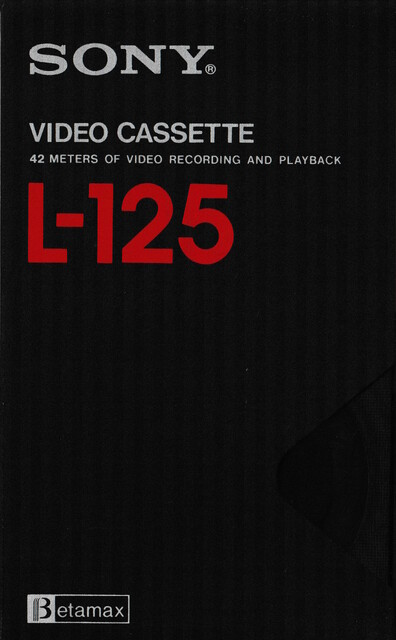
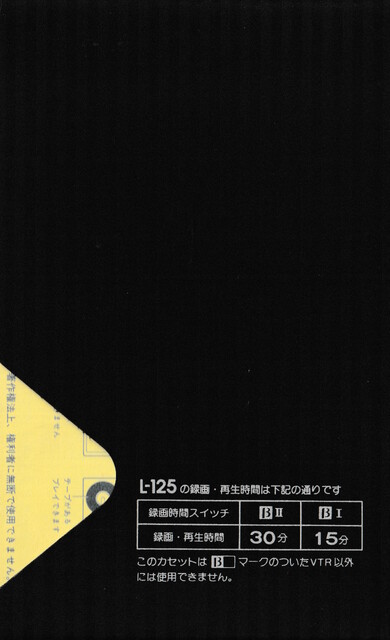
During the lifetime of the original L
series, the range of available tapes expanded to
include everything from a 15 minute tape at Beta I
speed to five hour tape at Beta III speed. This
Japanese market L125 was produced after X1 and X2
were renamed to Beta I and Beta II, but before the
introduction of Beta III |
 |
 |
|
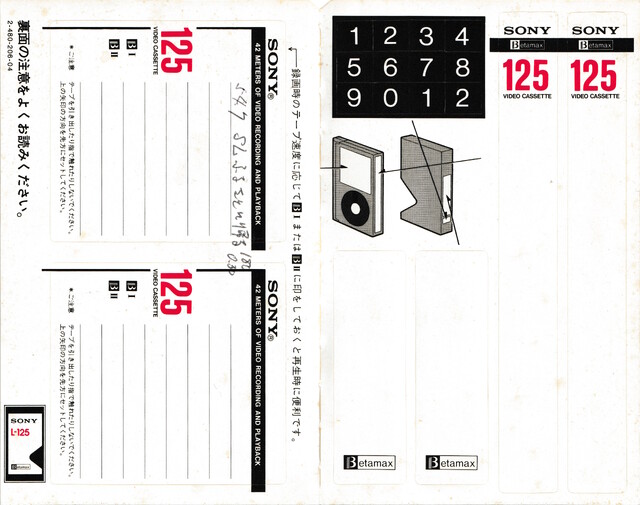
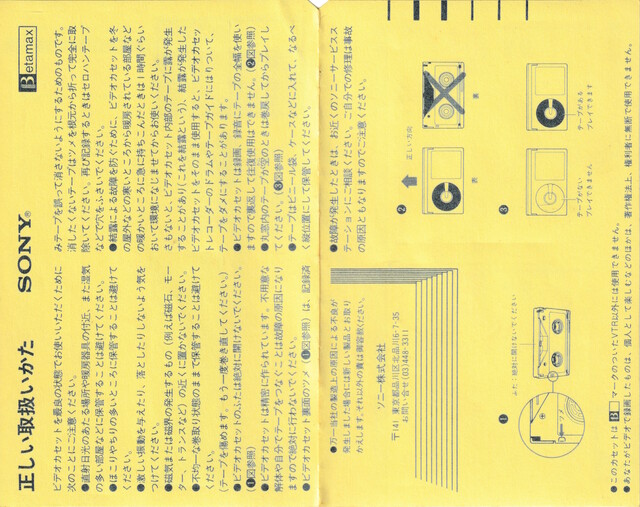
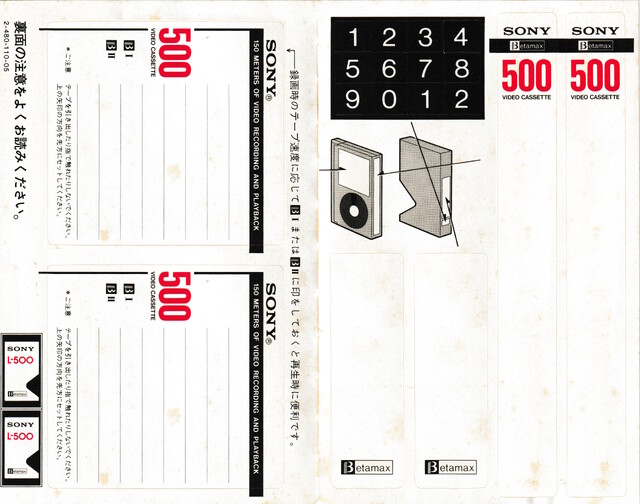
Label sheets for these tapes were
similar to the K series tapes, with duplicate labels
and indexing numbers |
 |
 |
 |
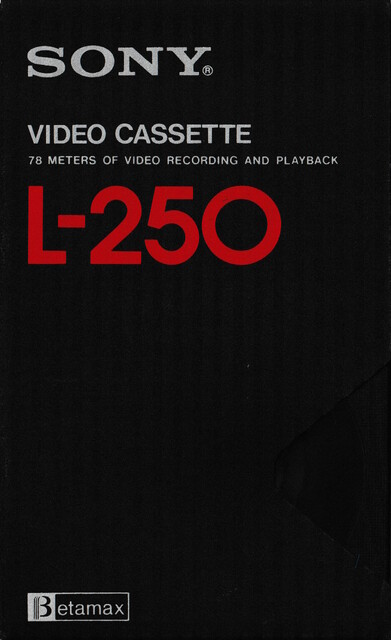
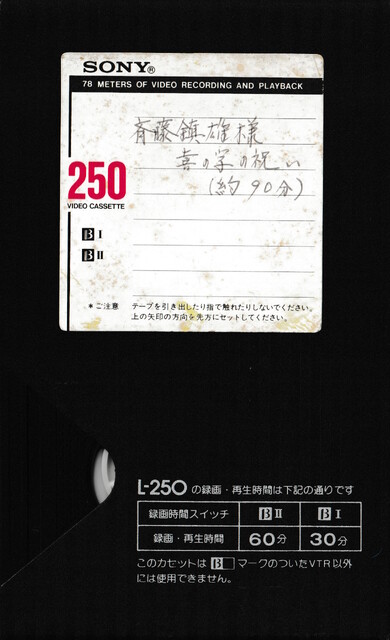
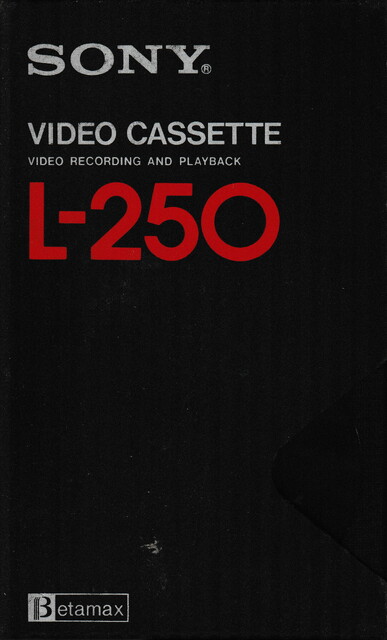
An L-250 from the Beta I and II era |
 |
 |
 |
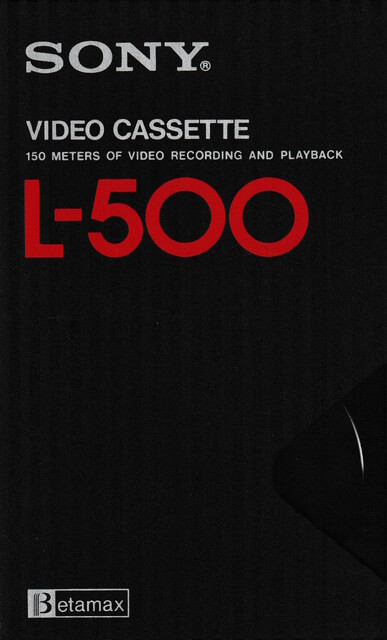
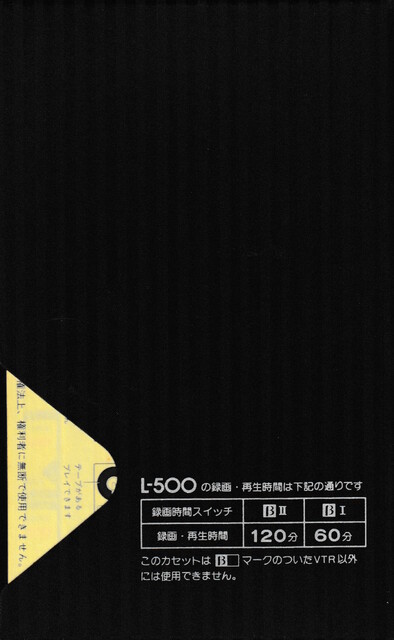
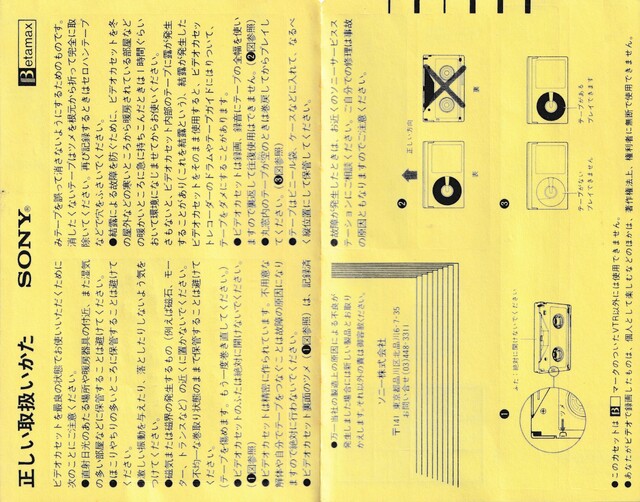
Japanese L500 from after X1 and X2
were renamed to Beta I and Beta II |
 |
 |
|
Japanese label sheet for the Beta
I/II L500 |
 |
 |
 |
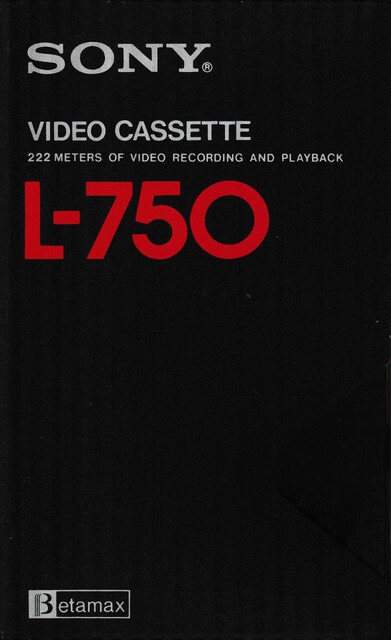
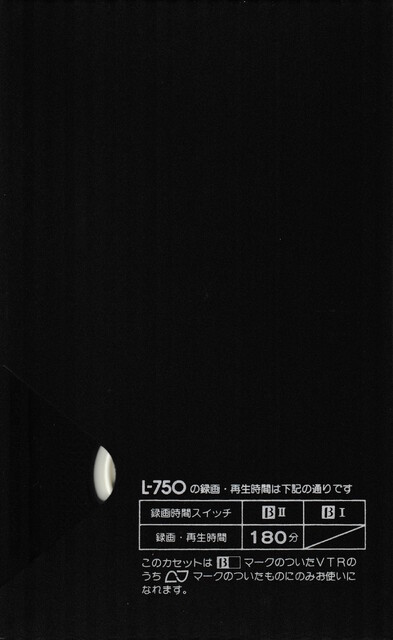
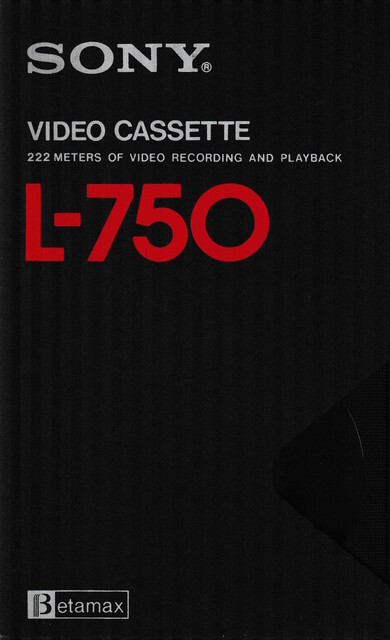
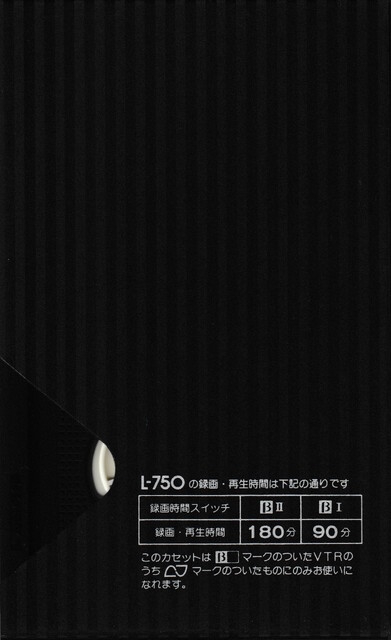
The L750 length tape was introduced
alongside cheaper Beta II recorders in Japan in late
1977 and in the spring of 1978 in the US. This
Japanese example does not include a Beta I runtime
and predates the introduction of Beta III |
 |
 |
 |
This L750 variant does have a Beta I runtime... I'm not
actually sure which came first, as Sony recommended making
a Beta I test recording on other L-750 tapes |
 |
 |
 |
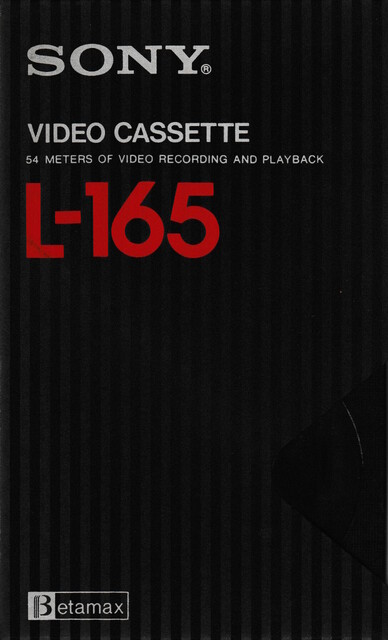
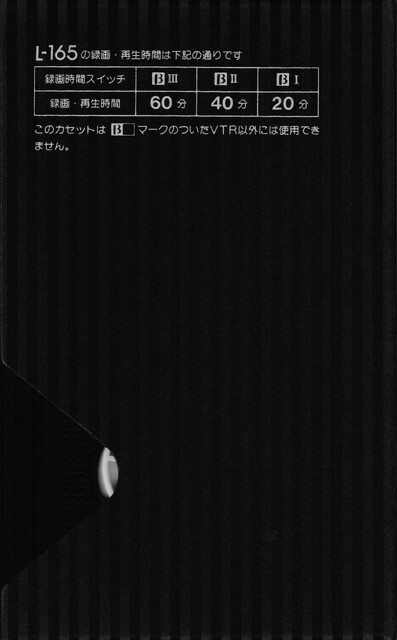
A short L-165 length tape from later in this era of tape.
I suspect some of these odd lengths were later additions
to the lineup and did not appear in 1977... |
 |
 |
 |
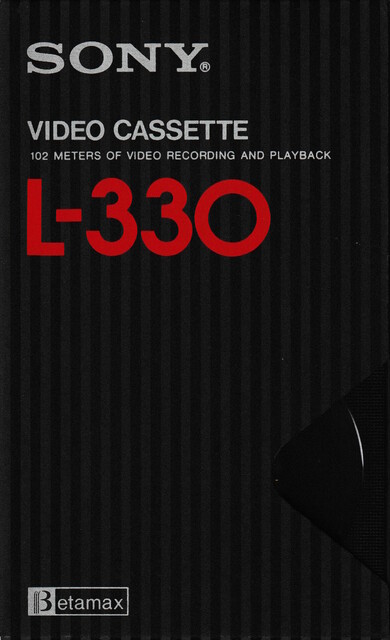
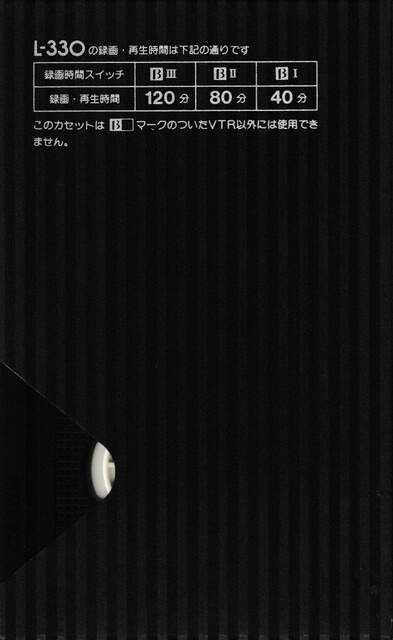
An odd L-330 length tape from after the introduction of
Beta III |
North American market
 |
 |
 |
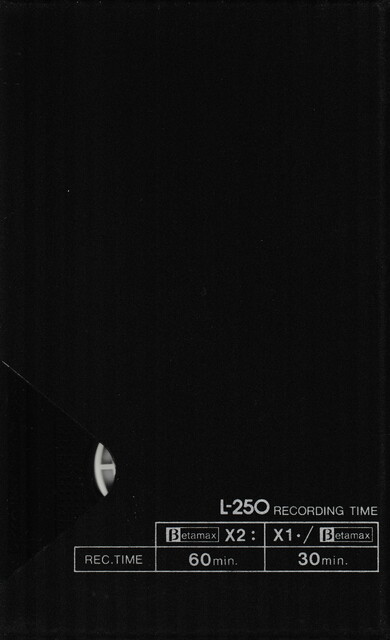
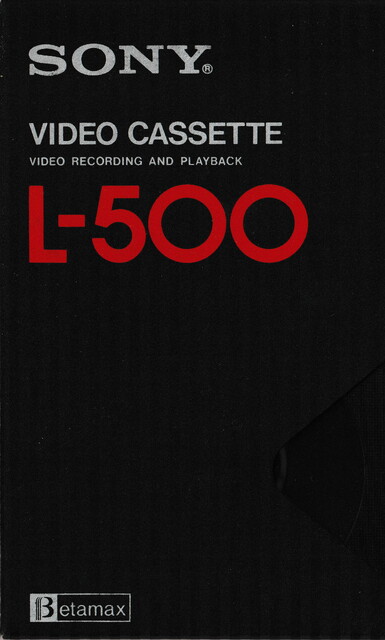
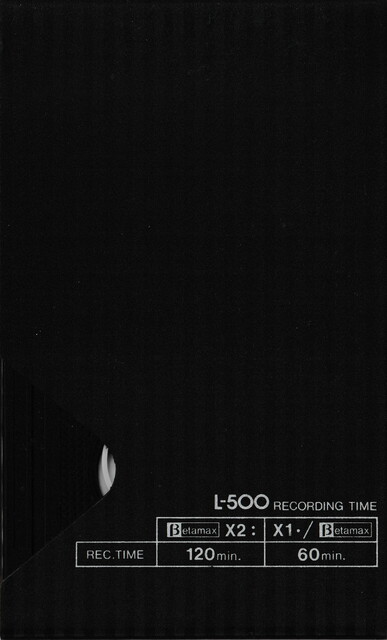
The K30 tape was replaced by the L250 and
the K60 was replaced by the L500 |
 |
 |
 |
These tapes were introduced in the United States in fall 1977 alongside new VCRs
like the SL-8200 that could record in Beta II, then called
Betamax X2, with the original Beta speed being
retroactively called X1 or simply Betamax |
 |
 |
 |
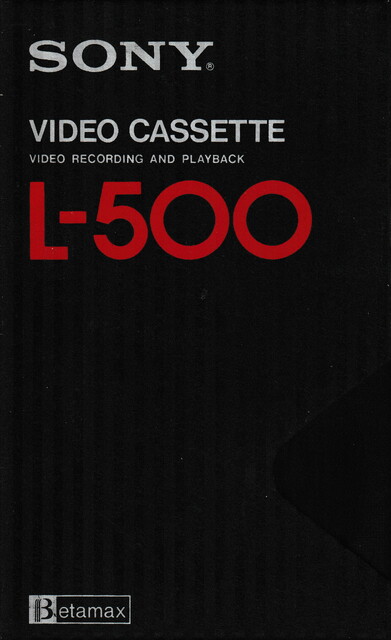
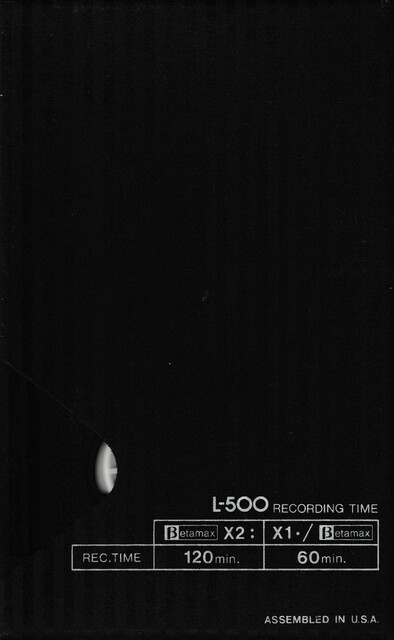
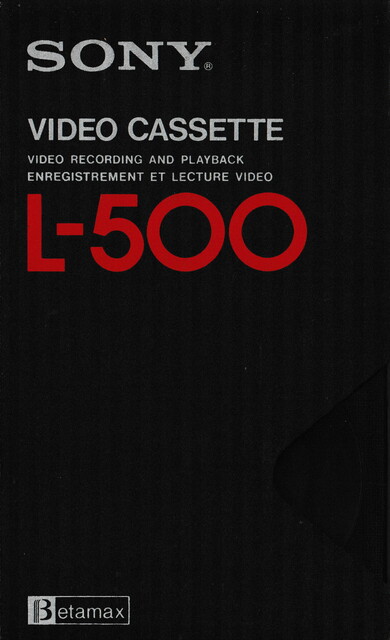
Assembled in USA variant of the L500 |
 |
 |
 |
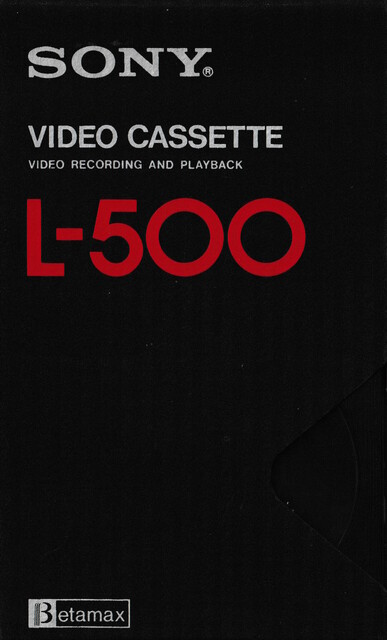
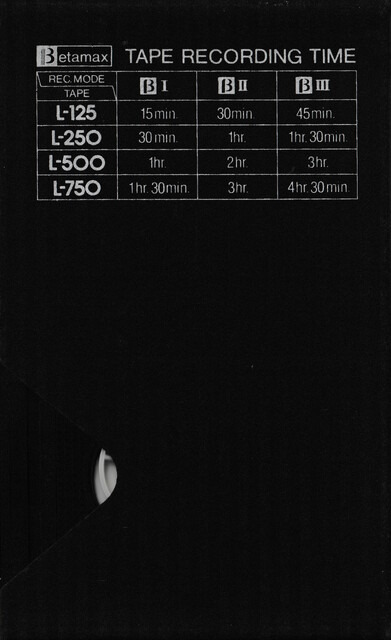
Bilingual Made in Japan variant.
These tapes dropped the runtime chart from the back |
 |
 |
 |
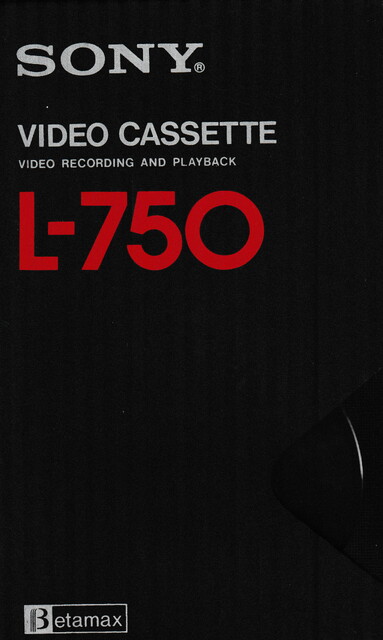
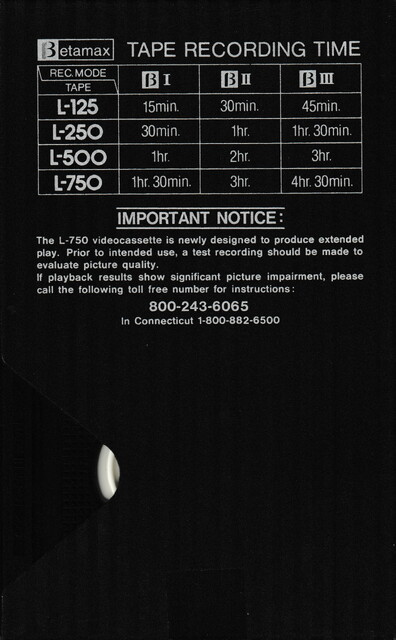
Later American L500 from after the
introduction of Beta III speed VCRs and the L750
length tape |
|
|

|
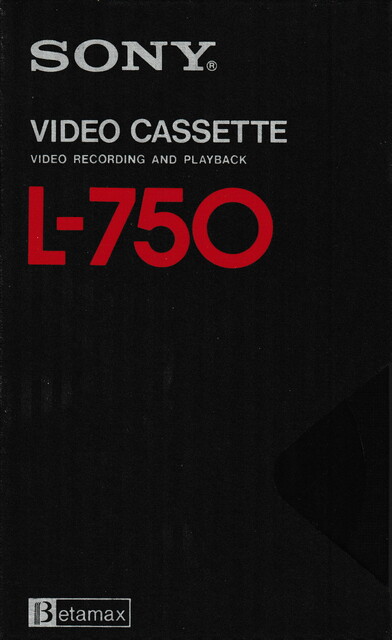
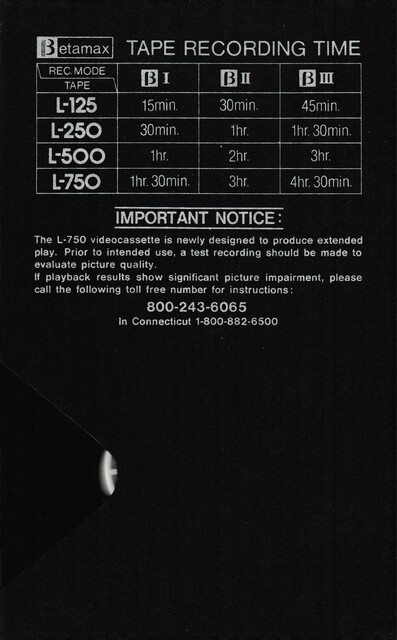
A later American L750 from after the
introduction of Beta III speed VCRs |
|
|

|
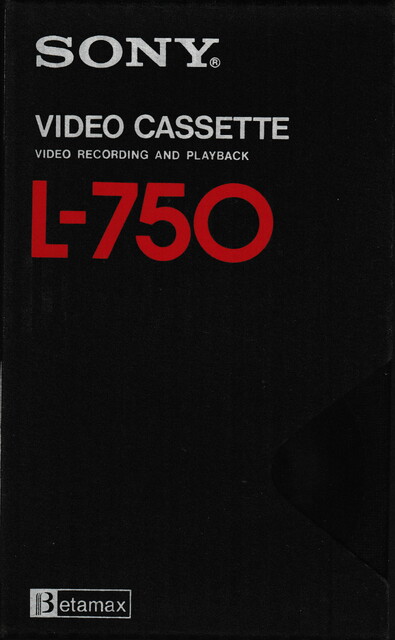
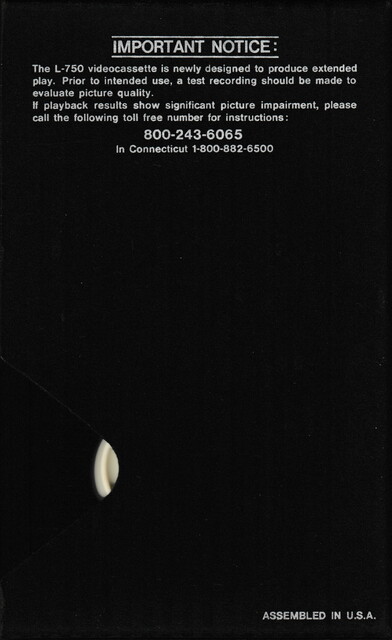
Made in USA variant.
Similar to how L830 tapes were not recommended to be used
in early Beta I speed VCRs, the earliest L750 tapes
include a warning on the back about making a test
recording on existing Beta VCRs as well |
|
|

|
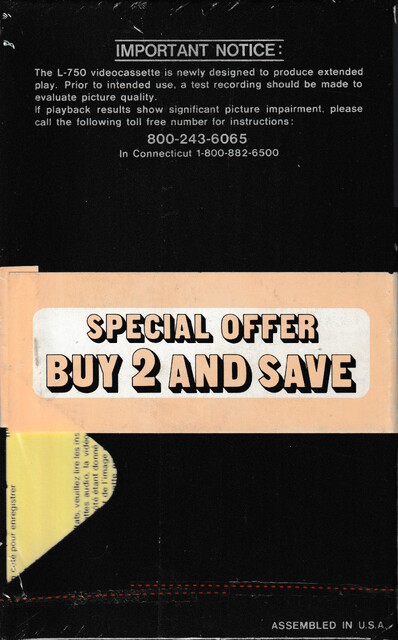
Assembled in USA variant that
includes the test recording warning but not the
runtime chart |
 |
 |
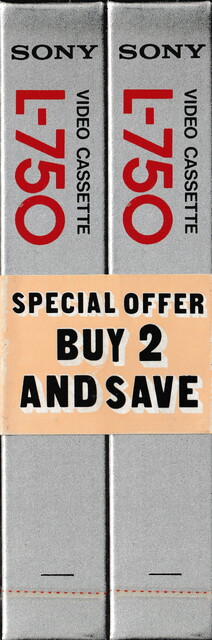 |
A sealed two pack of
assembled in USA L750s |
|
|

|
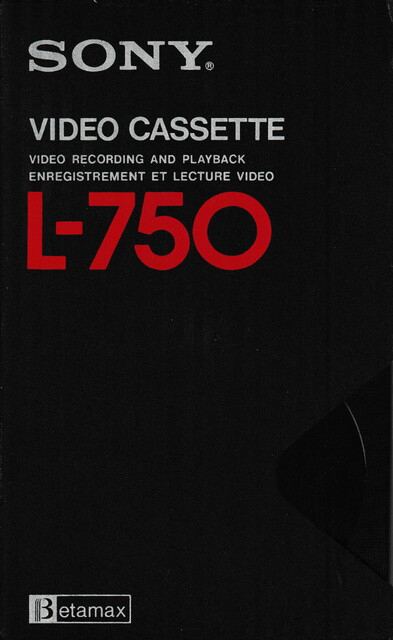
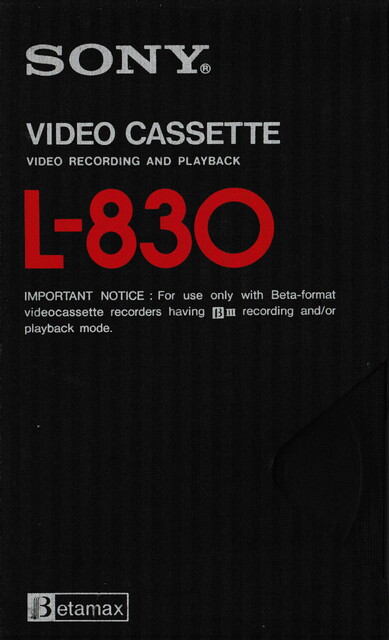
Bilingual made in Japan variant that
again drops the runtime chart as well as the
recording warning, possibly to avoid having to have
them written out in multiple languages |
|
|

|
The first L830 tapes were introduced
later in this series of tapes alongside new Beta III
speed capable VCRs. The new thinner tape stock was
not recommended for use in older recorders |
Original Dynamicron series (1980-~1982)
The first Dynamicron tapes for the 1980s had a vertical color bar
motif. Sony dropped the "Betamax" name from these tapes and started
using the more "unified" Beta logo. Before this point, some other
manufacturers had different names for their Beta format recorders
and cassettes like BetaVision or BetaCord.
Japanese market
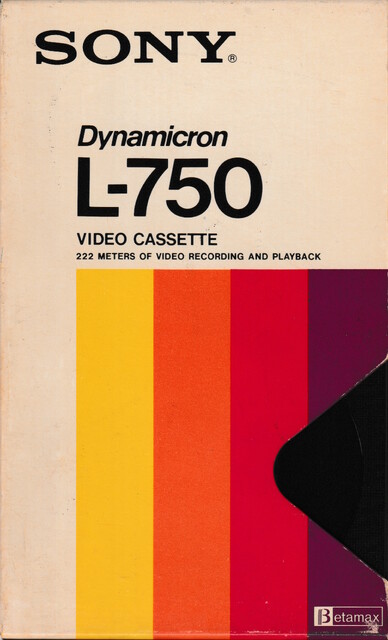
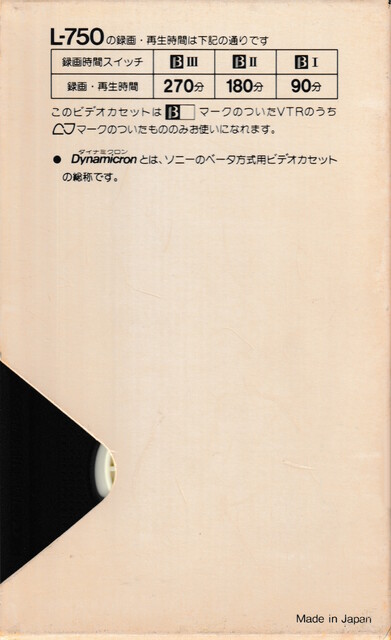
In Japan, early tapes of this generation still carried the full
"Betamax" name, which shifted to the more modern unified Beta
branding by the time of the export tapes of this era. Sony also introduced the high grade HG tape in this generation..
 |
 |
 |
Original L750 from this generation with Betamax on the
cover and the old striped Beta-square mark on the spine |
 |
 |
 |
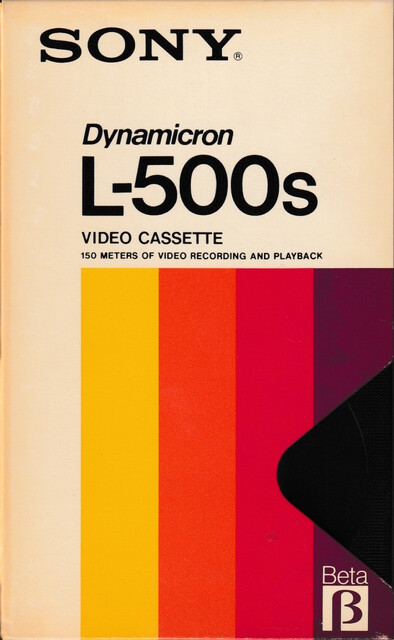
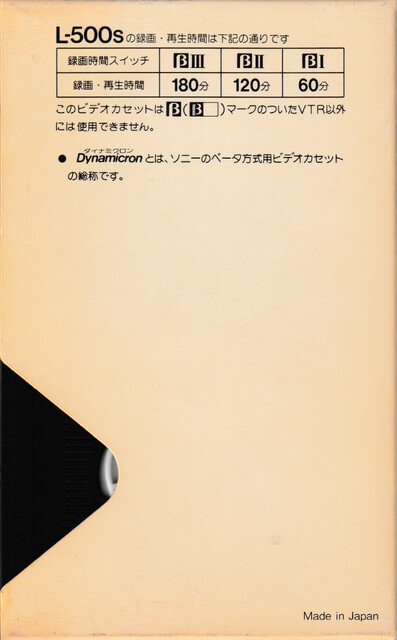
The updated "S" suffixed tapes used the revised Beta
symbol and branding |
|
|

|
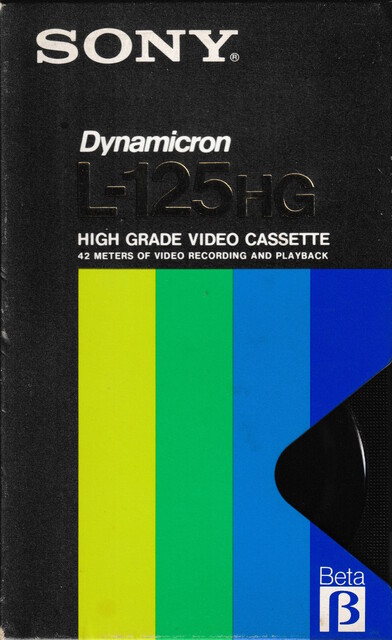
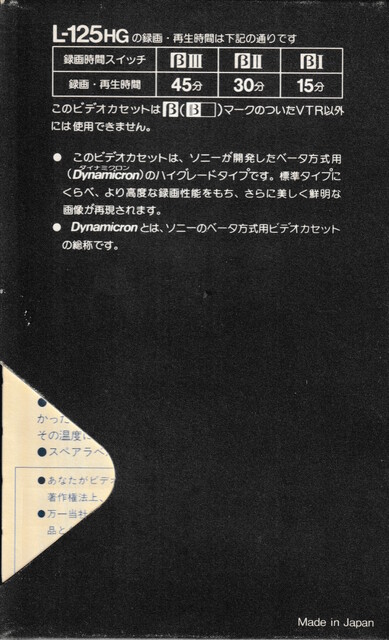
Japanese market L125HG - I think these
appeared after the Betamax branding had been dropped |
|
 |
|
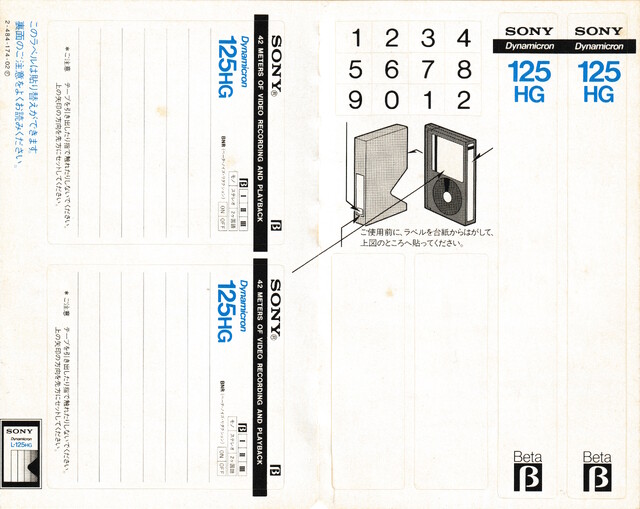
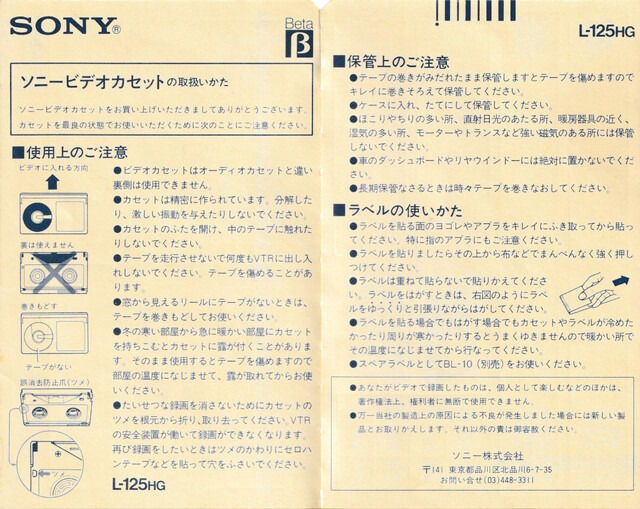
Japanese L125HG label sheet |
|
|

|
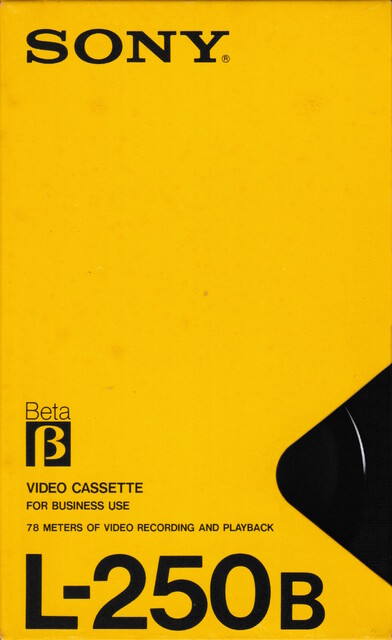
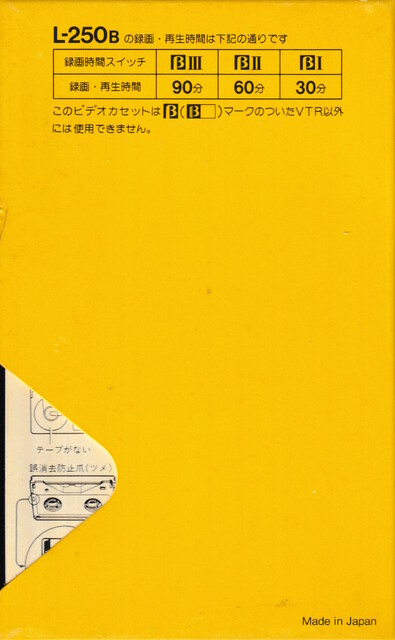
A Japanese market L250B "business"
tape, for industrial and business use. These tapes
actually had yellow tape flaps |
 |
 |
|
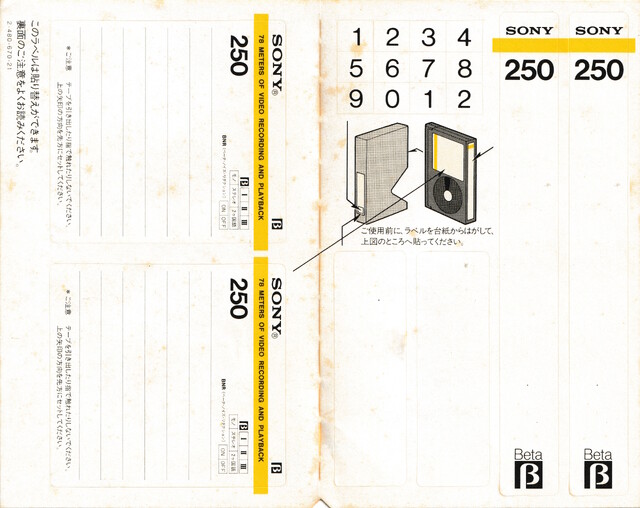
Labels for these tapes match the
style of labels in the vertical Dynamicron series |
American market
 |
 |
 |
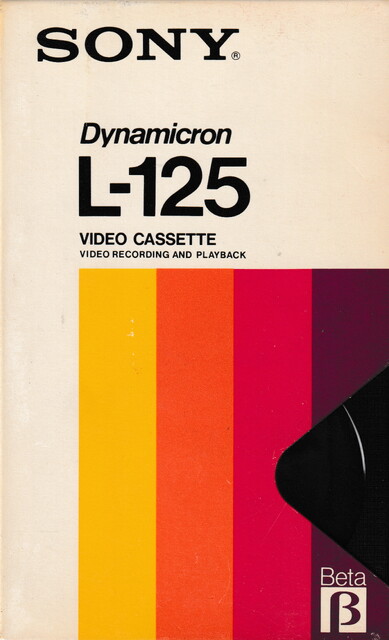
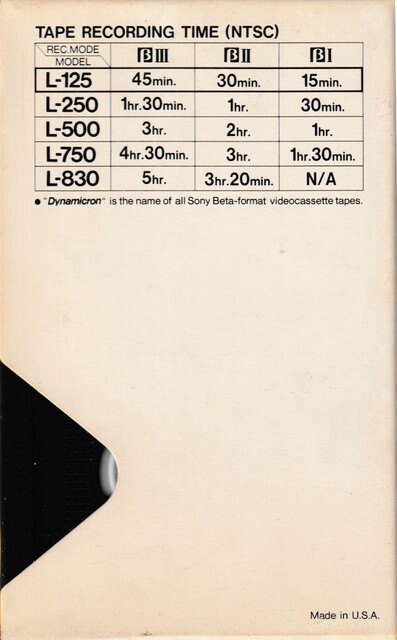
Short tapes like this L125 were most commonly
used in industrial applications and often recorded
in Beta I speed, containing short informational or
training recordings. Early examples of Dynamicron
tapes do not have the color bar pattern carried over
to the back |
 |
 |
 |
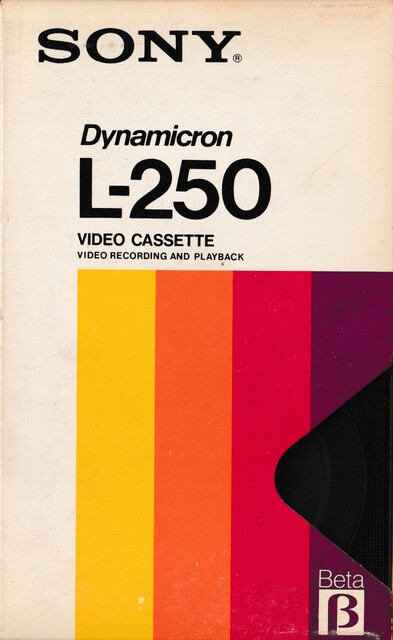
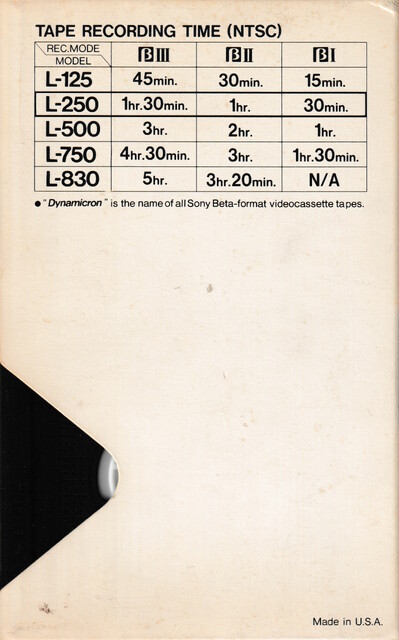
Early Dynamicron L250 with no rear color bars. The higher-grade HG tapes of this
generation also do not carry over their own
cool-toned color bar motif to the back of their
slipcases |
 |
 |
 |
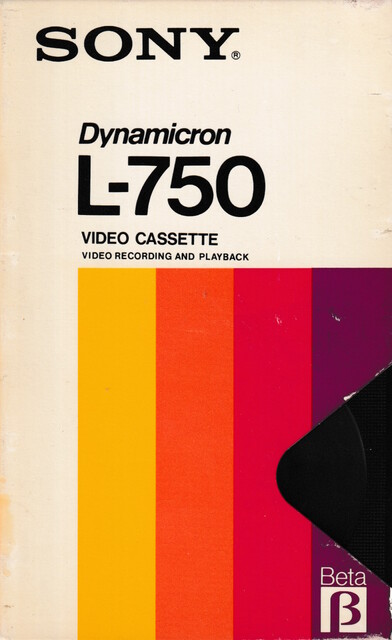
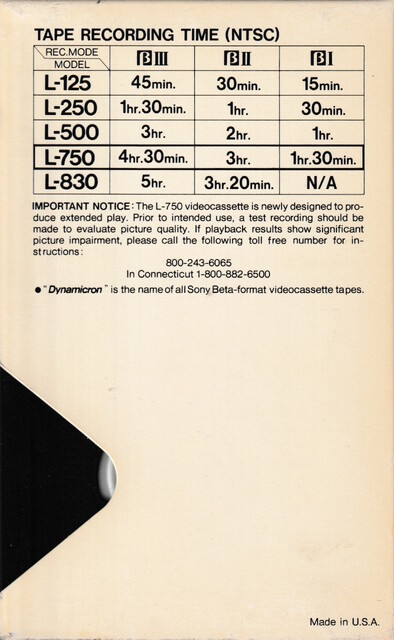
Early American Dynamicron L750
without the rear color bars |
 |
 |
 |
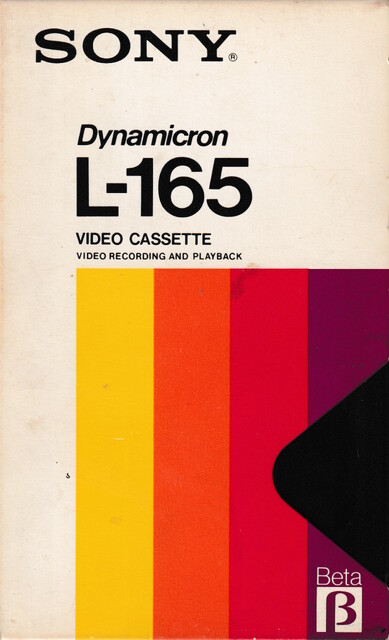
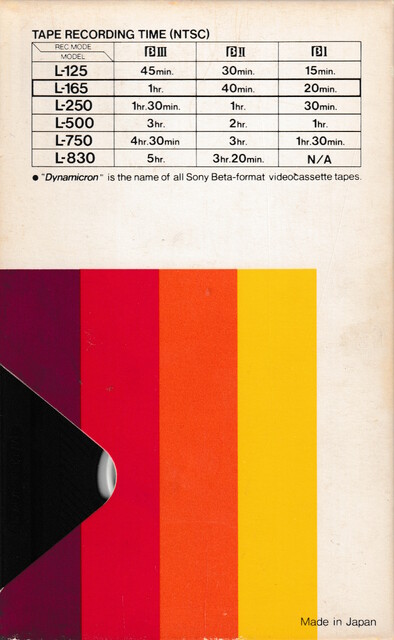
The uncommon L165 length Dynamicron,
introduced after the color bars were carried over to the
back.
This length was pretty much only used in industrial
and other dubbing applications outside of Japan, and
does not appear on the time chart of other lengths |
 |
 |
 |
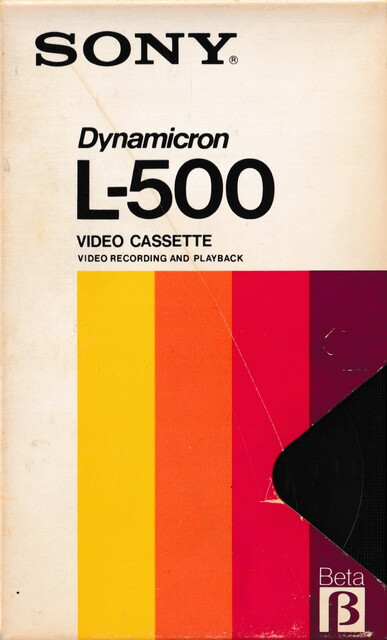
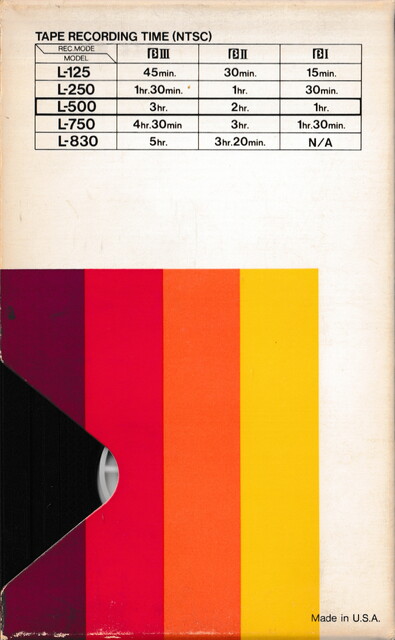
A slightly later made in USA L500 variant with color bars
but without the line about Dynamicron being the
name of Sony Beta-format videocassettes |
 |
 |
 |
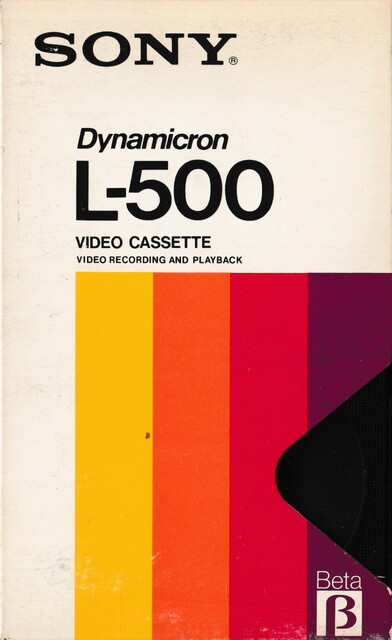
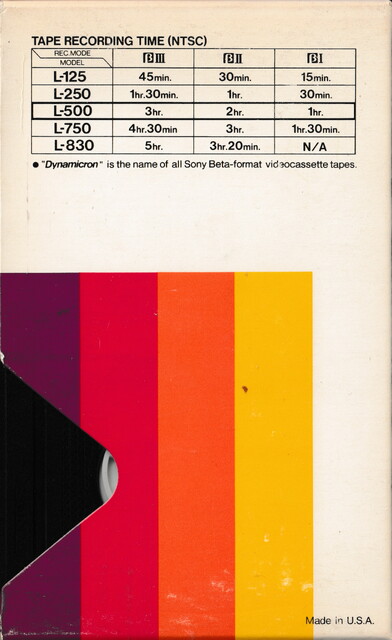
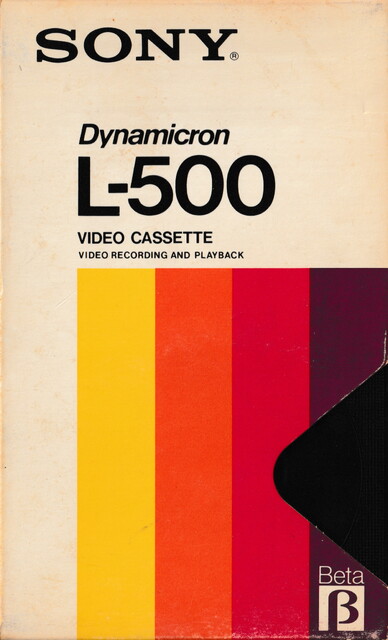
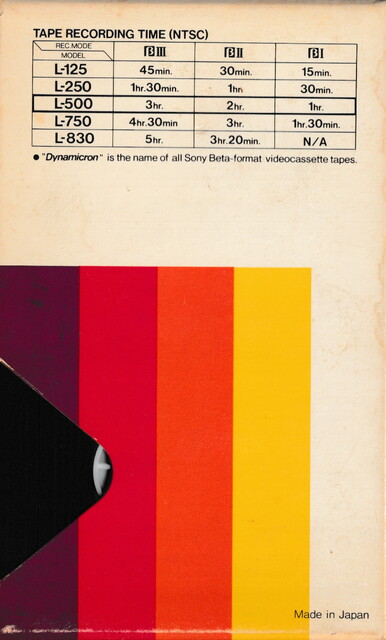
Made in USA L500 with color bars and Dynamicron text. These were
the first Sony tapes to use more cardboardy sleeves
instead of the more plasticized sleeves of the previous
generations, although they are still pretty good quality |
 |
 |
 |
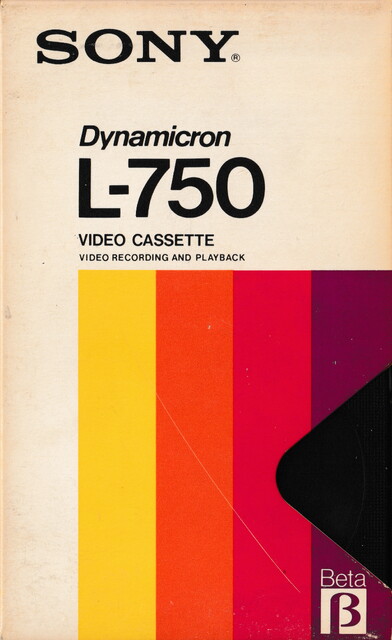
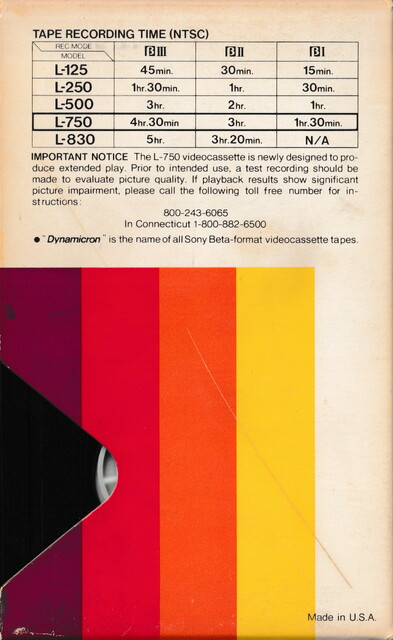
Made in Japan Dynamicron L500 for North America |
 |
 |
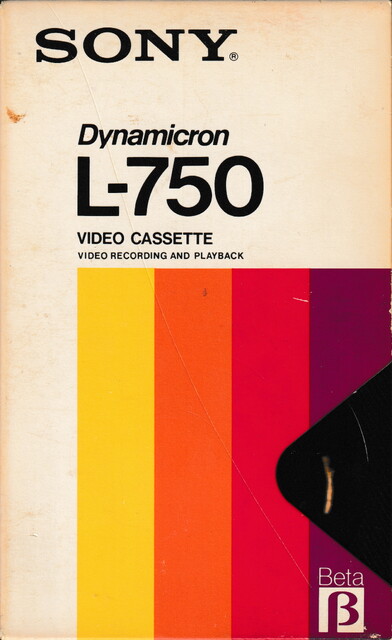
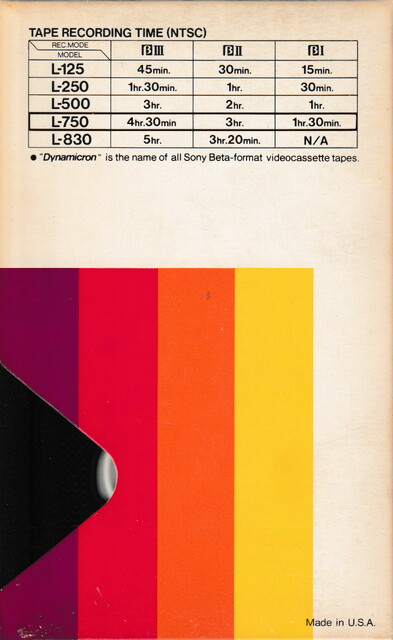
 |
American market Dynamicron
L750 with rear color bars that still includes the test recording
information on the back |
 |
 |
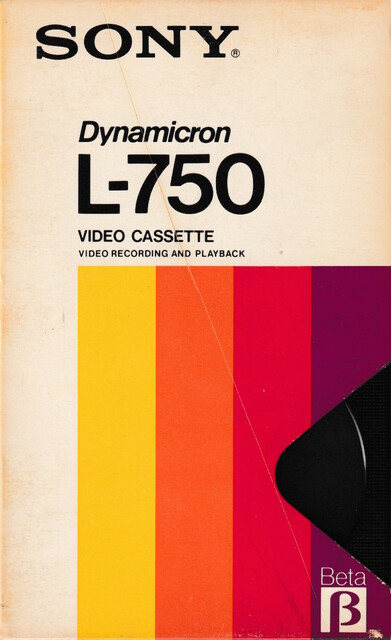
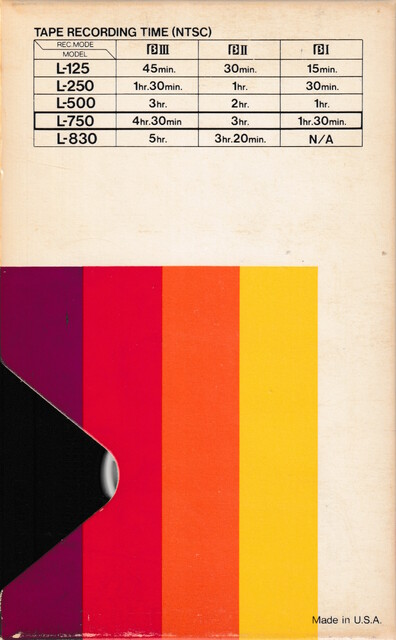
 |
USA manufactured and marketed Dynamicron
L750 with just the
Dynamicron text on the back |
 |
 |
 |
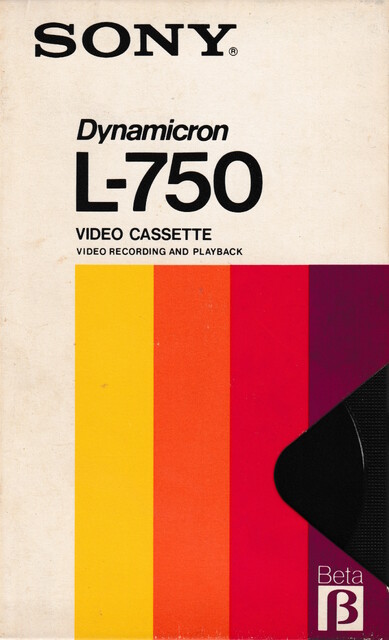
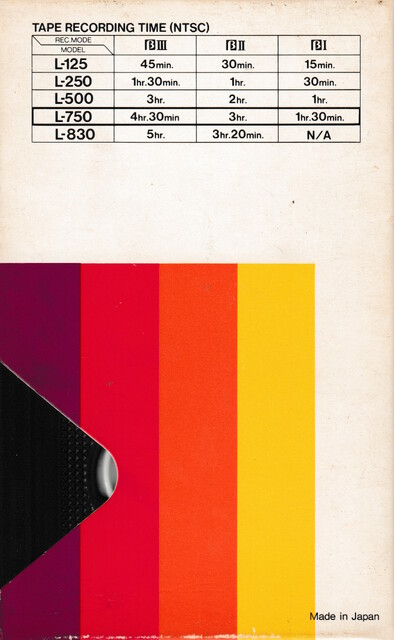
Later made in USA Dynamicron L750
without the test recording recommendation |
 |
 |
 |
Made in Japan American-market Dynamicron L750 |
 |
 |
 |
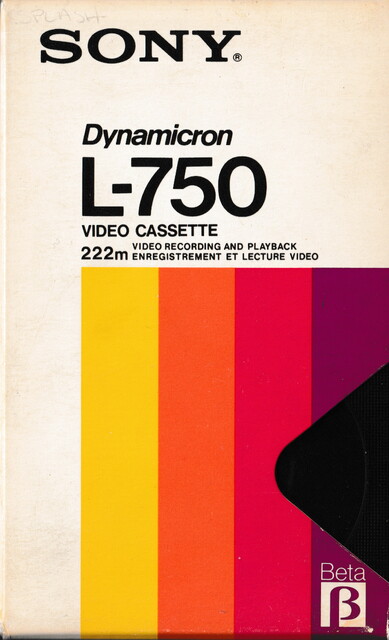
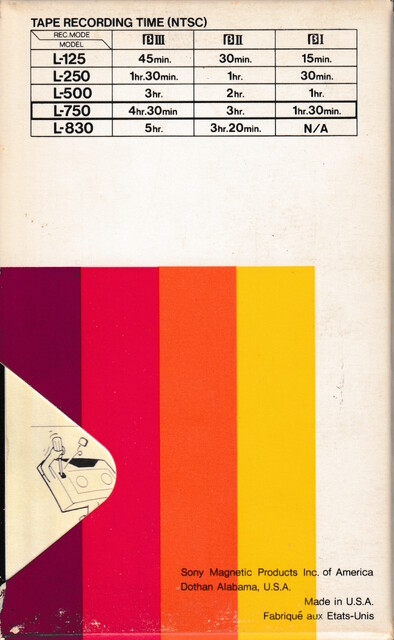
Bilingual Dynamicron L750 with some
additional information on the back |
 |
 |
|
Made in the U.S.A.
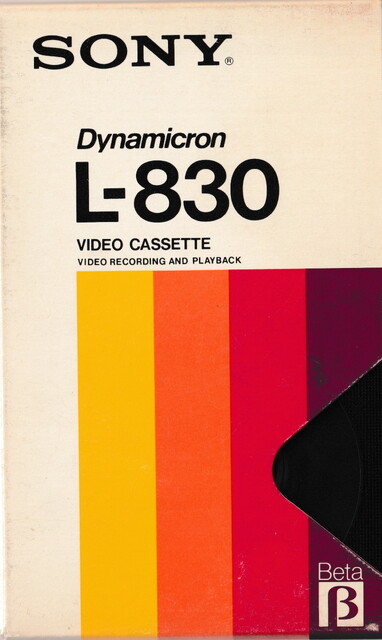
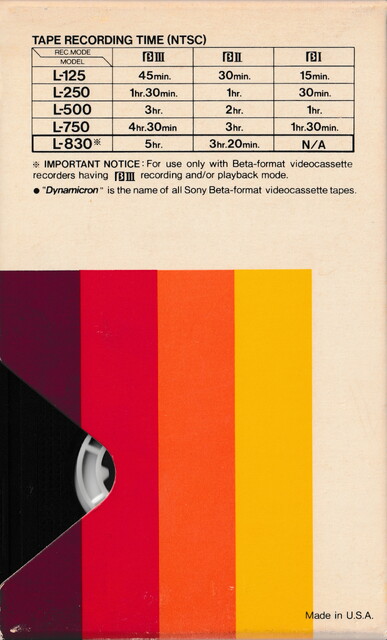
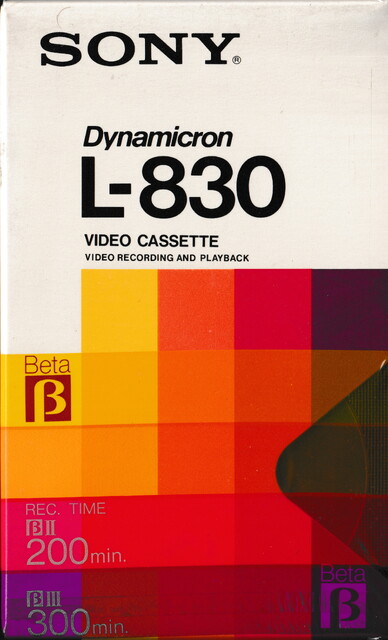
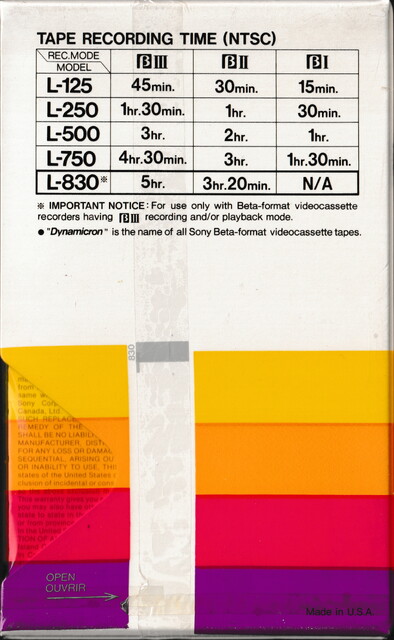
Dynamicron L830 |
 |
 |
 |
The plastic wrap for these early Dynamicron tapes adds horizontal stripes showing the running times and turning the color bars into a grid |
 |
 |
 |
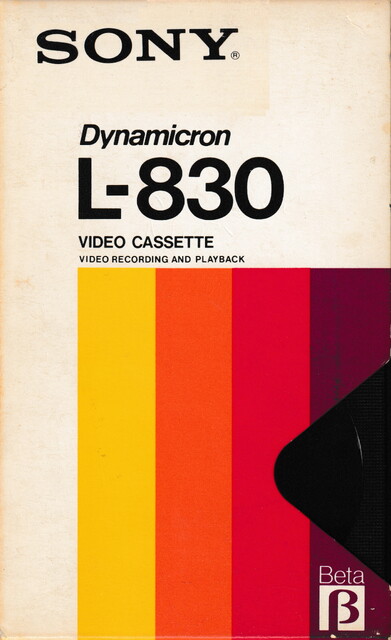
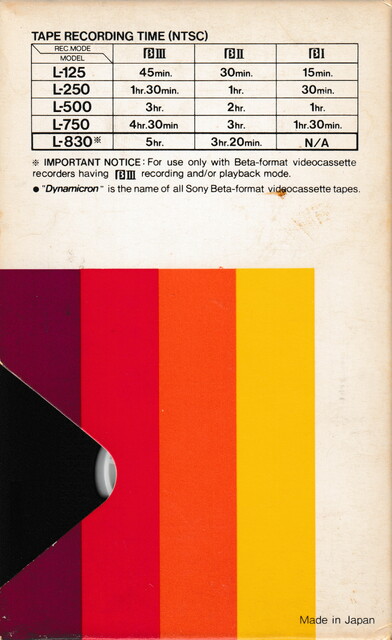
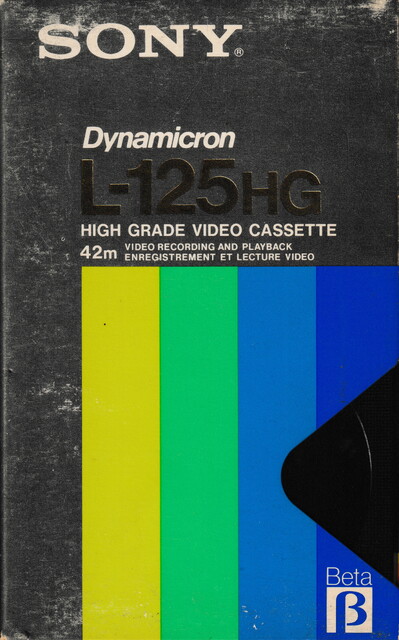
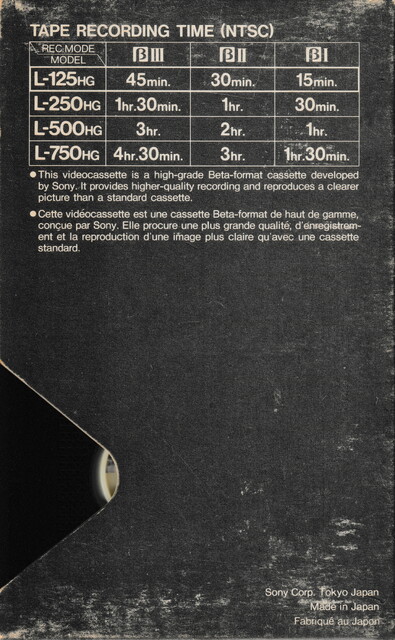
Made in Japan Dynamicron L830. By
this point, Sony was also selling VHS tapes in
similarly designed boxes. Several Sony VHS tapes can
be seen in the VHS gallery |
 |
 |
 |
Generally for institutional use, shorter
length tapes continued to be sold by Sony - many
manufacturers sold only an L750, or an L500, L750, and
L830 lineup |
|
|

|
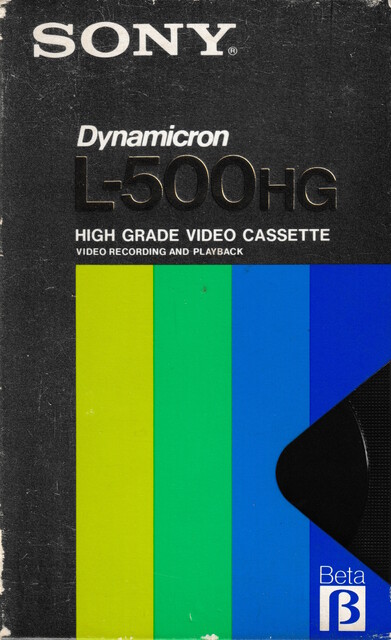
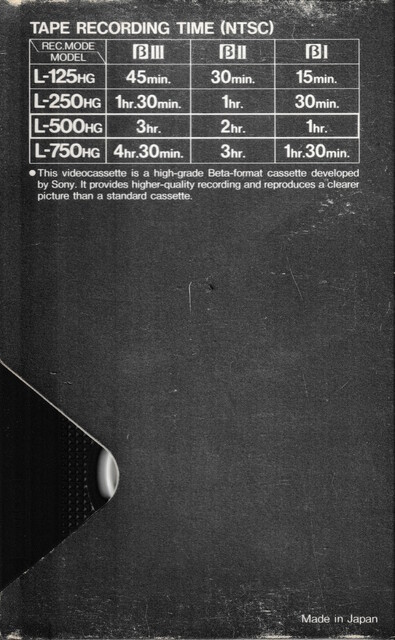
Monolingual L500HG variant |
 |
 |

|
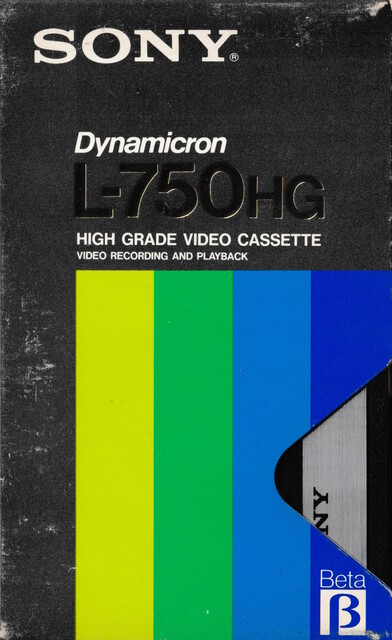
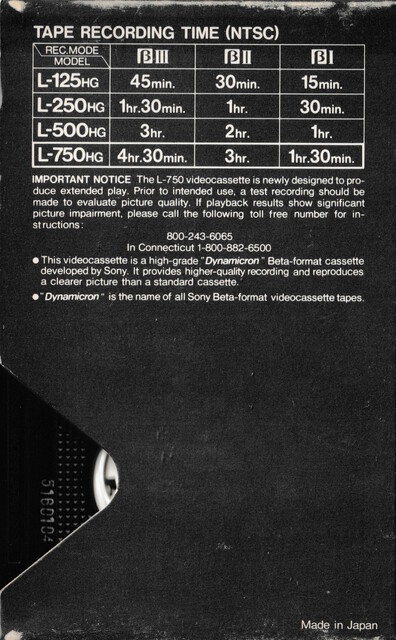
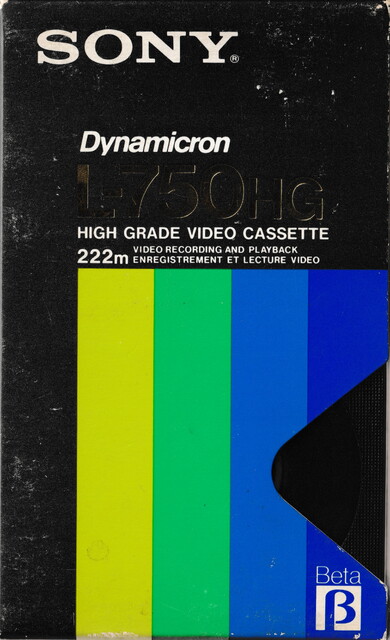
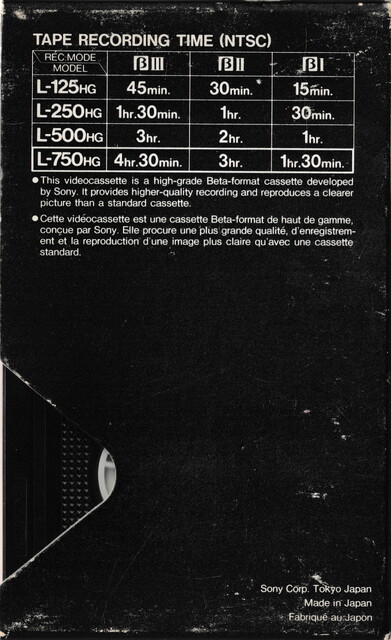
Monolingual L750HG (with a mismatched
ESX-HiFi tape inside). The HG tapes came in a grey shell with a black lid instead of the all black of other Sony tapes up to this point |
 |
 |
 |
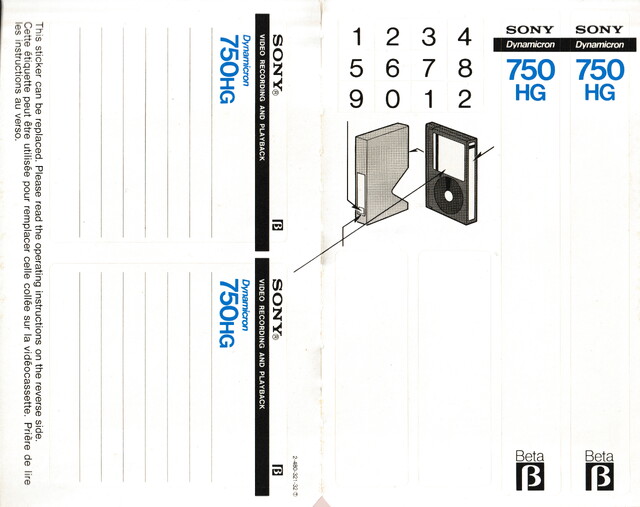
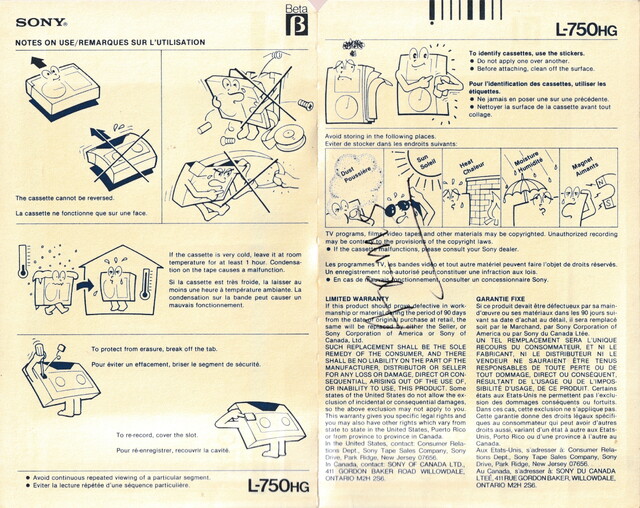
Bilingual L750HG |
 |
 |
|
Bilingual L750HG label sheet |
PAL & SECAM tapes
 |
 |
 |
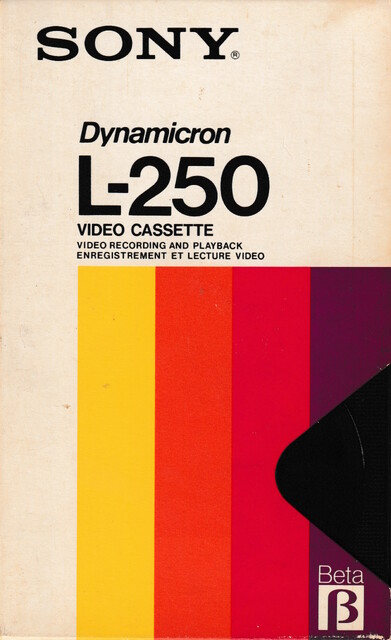
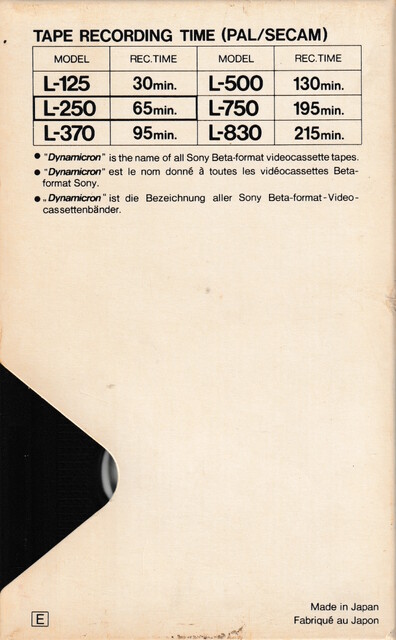
Early Dynamicron L250
labeled for use in PAL/SECAM territories, where different
recordings speeds were not really a thing |
 |
 |
 |
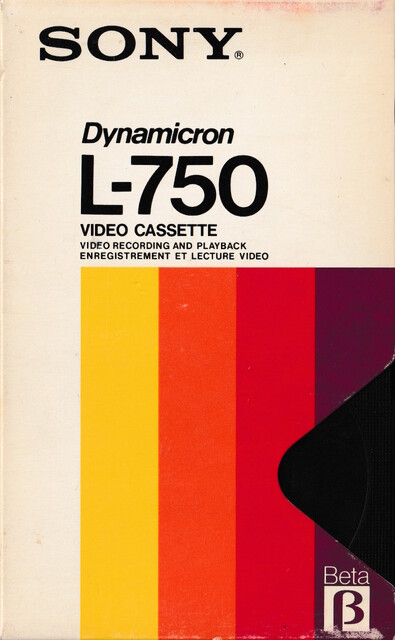
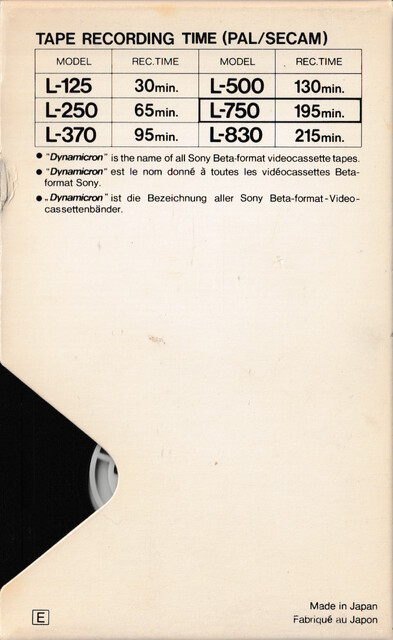
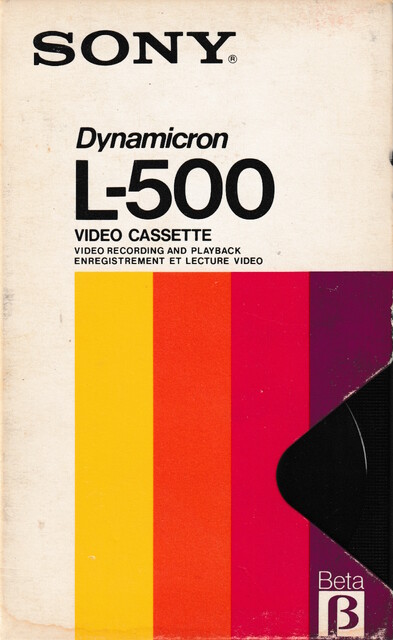
Multi-language PAL/SECAM L750 with no rear color bars |
 |
 |
 |
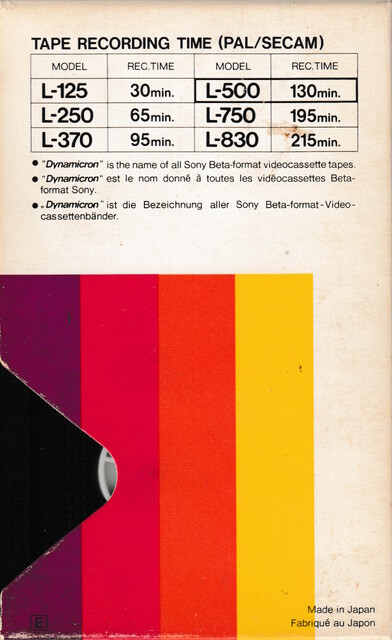
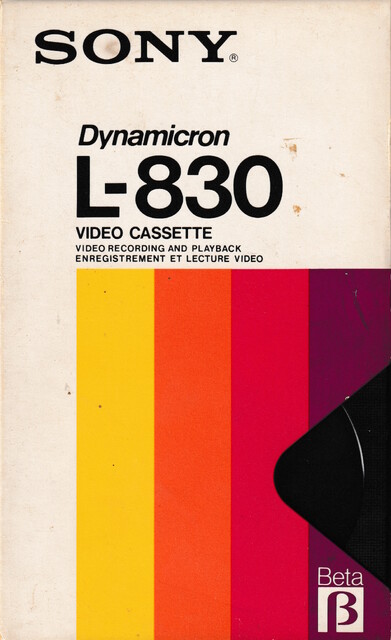
PAL/SECAM Dynamicron L500 with rear color bars |
 |
 |
 |
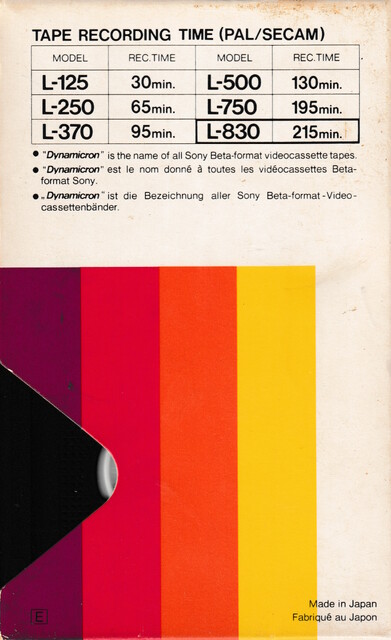
PAL/SECAM L830 Dynamicron |
Horizontal Dynamicron series (1982-1985)
The next generations of Dynamicrons rotated
the color bars to be horizontal and were used into the mid 1980s.
Japanese "N" series tapes
(1982-1983)
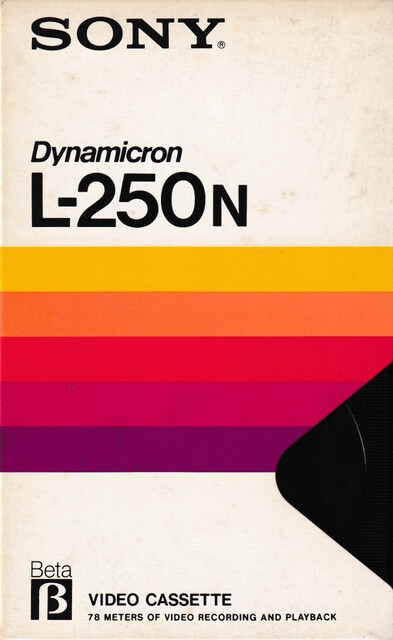
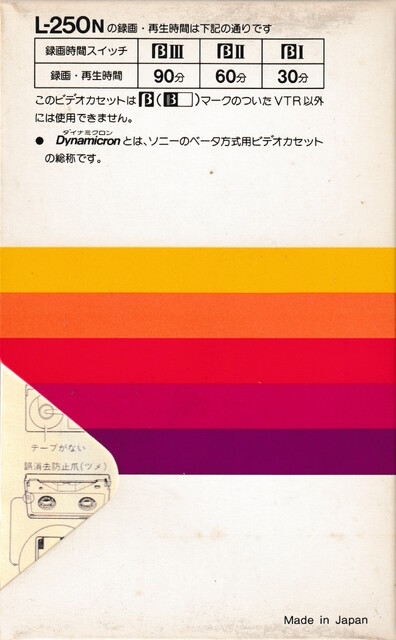
Advertised starting by
September 1982 and lasting into at least late 1983 was a "New"
Dynamicron tape with horizontal stripes. These Japanese-market "N"
tapes were sold alongside a range of UX high grade tapes.
|
|

|
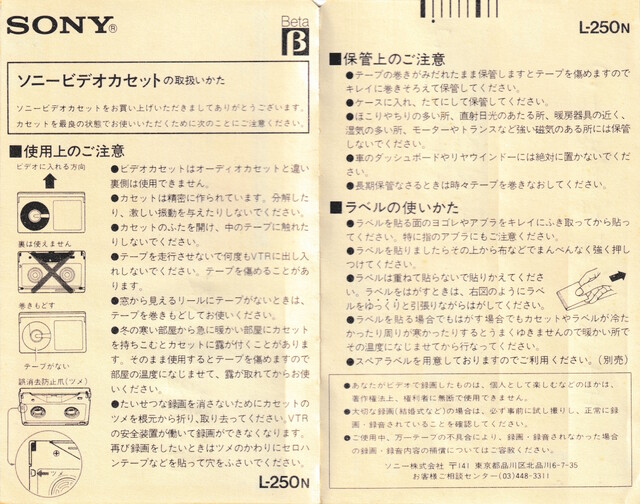
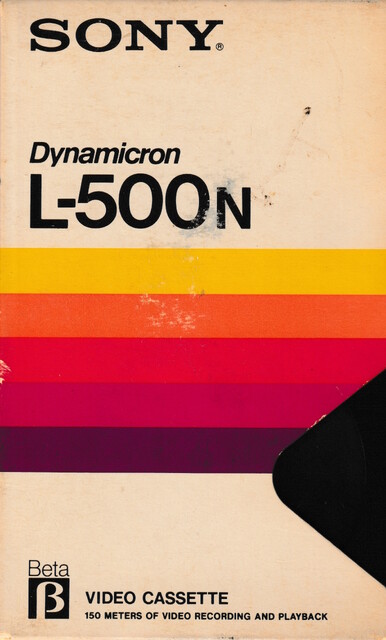
Japanese market L250N
tape |
 |
 |
|
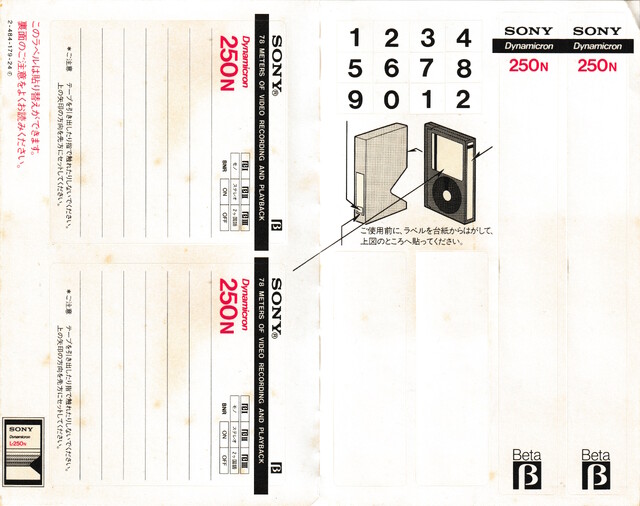
Labels for these N tapes resemble the
labels from Japanese market vertical Dynamicron
tapes |
 |
 |
 |
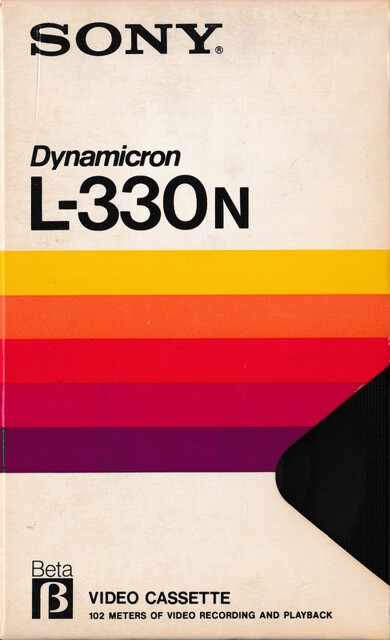
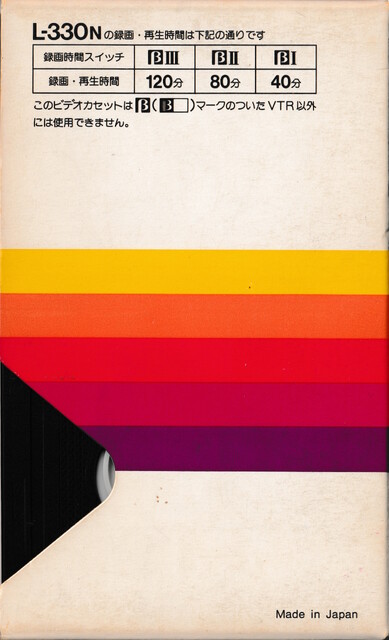
Earlier L330N Dynamicron |
|
|

|
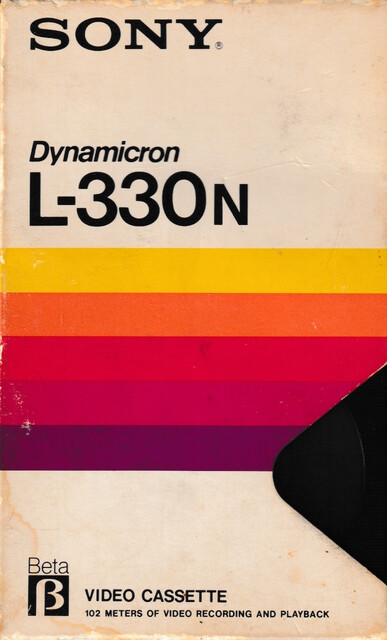
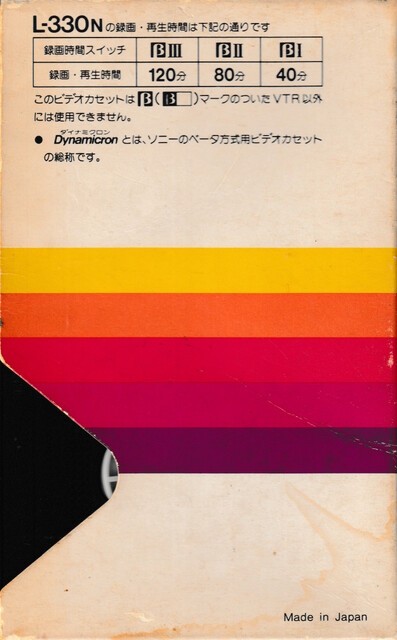
Updated L330N with Dynamicron explanation
text on the rear |
|
|

|
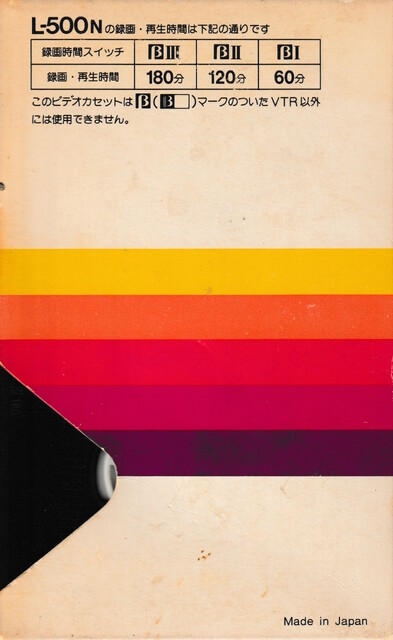
These tapes had thicker horizontal
lines than the later horizontal Dynamicrons and lacked
the It's a Sony "dots" as well as a UPC and other details
on the back |
 |
 |
|
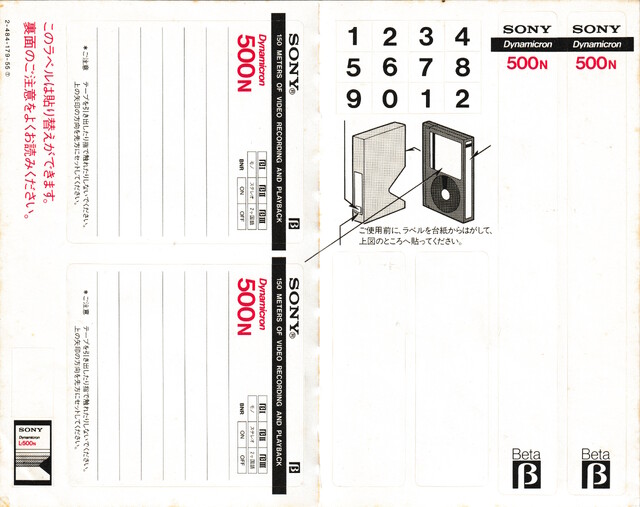
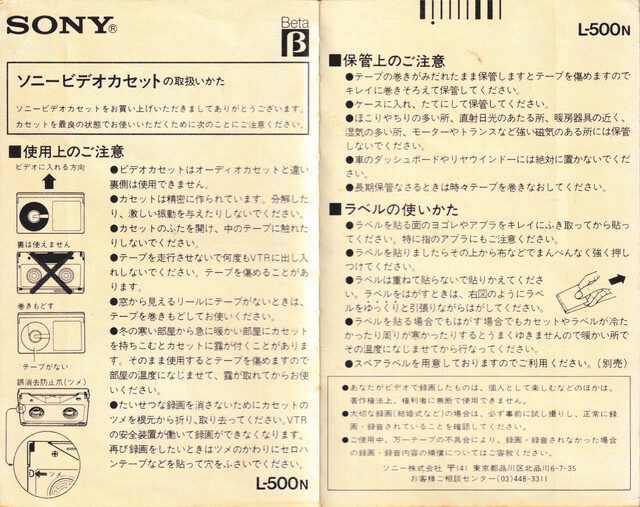
L500N Dynamicron label sheet |
 |
 |
 |
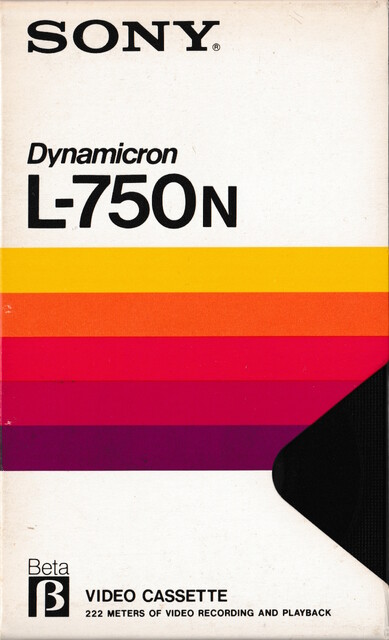
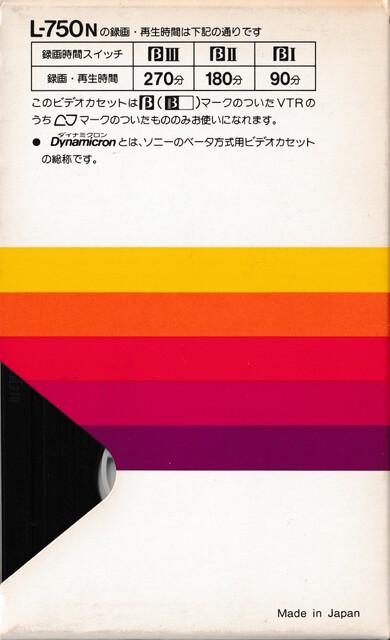
L750N with Dynamicron text on the rear |
|
|

|
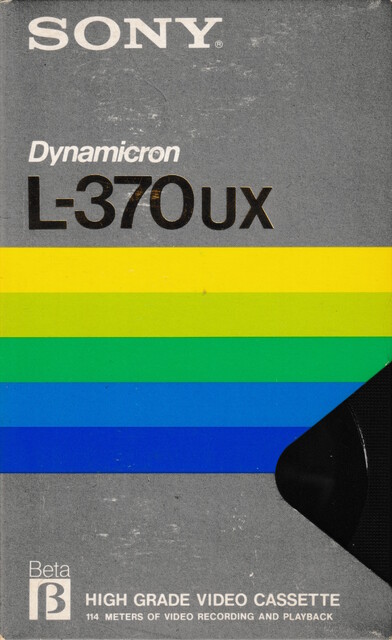
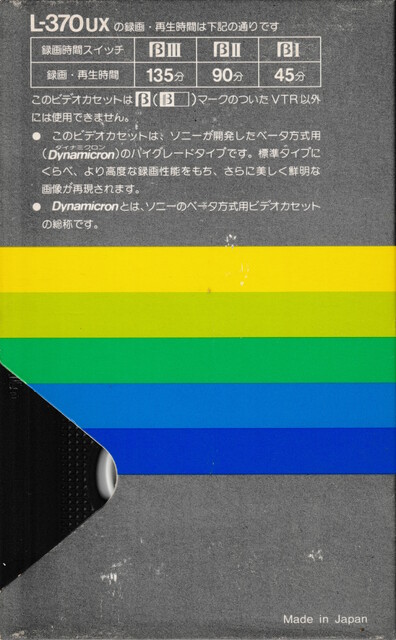
The HG high grade tape was replaced
with the UX series of tapes for the early horizontal
Dynamicron series. The HG would later return in a
new flashy silver case later in the horizontal
Dynamicron era |
Japanese horizontal stripe tapes (1984-1985)
These tapes added the Sony "dots"
logo that was included usually as a sticker on their
audio and video equipment. The high-grade tape returned
to being known as the HG with a new UHG tape also
introduced.
|
|

|
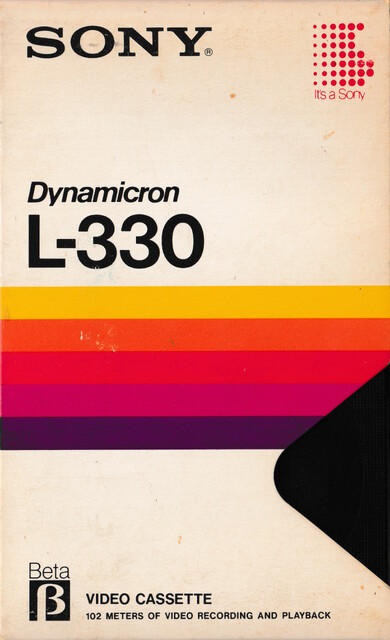
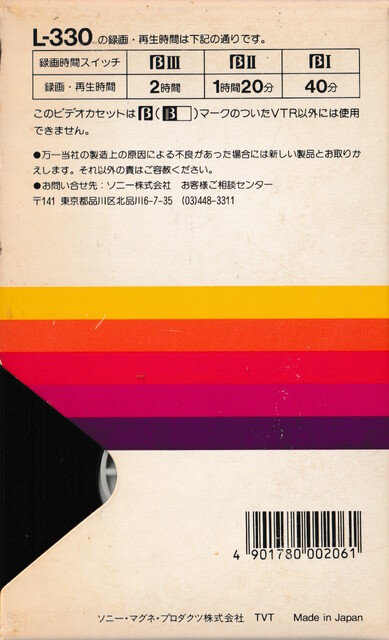
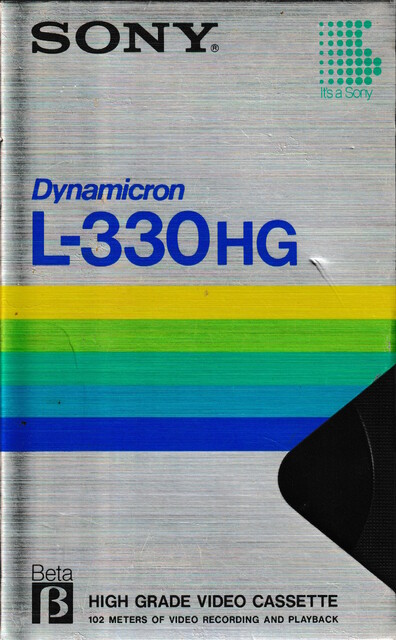
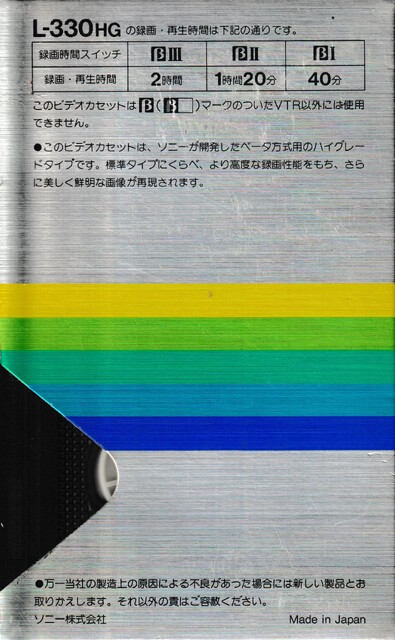
Japanese market L330 tape, an uncommon length for blanks |
|
|

|
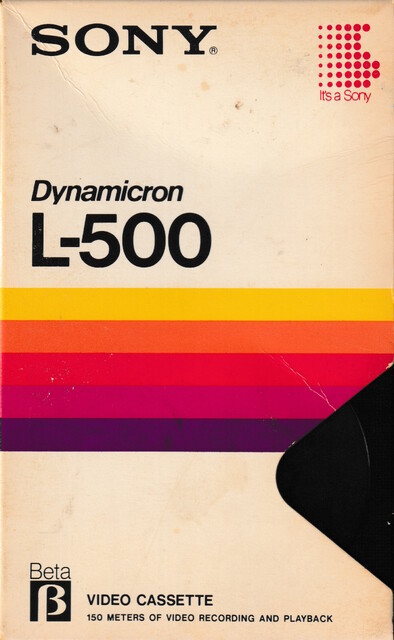
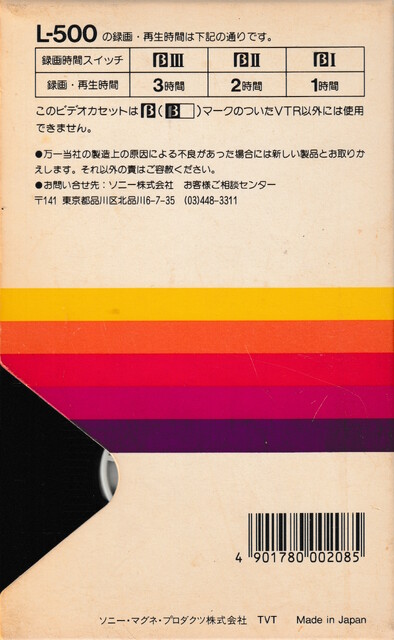
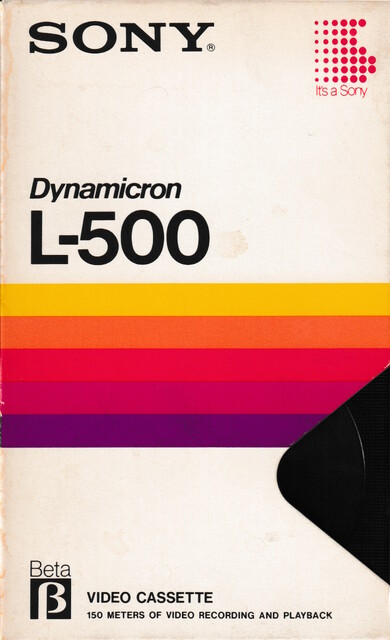
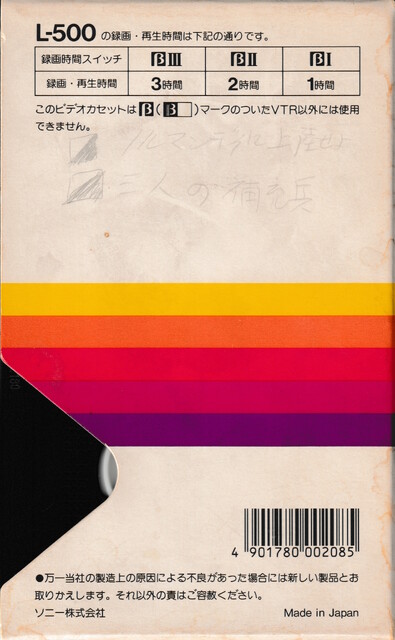
Japanese market Dynamicron L500. Like
many other Japanese market tapes, it still refers
back to older Beta-square era markings on the back |
 |
 |
 |
L500 with the text laid out differently on the rear |
 |
 |
 |
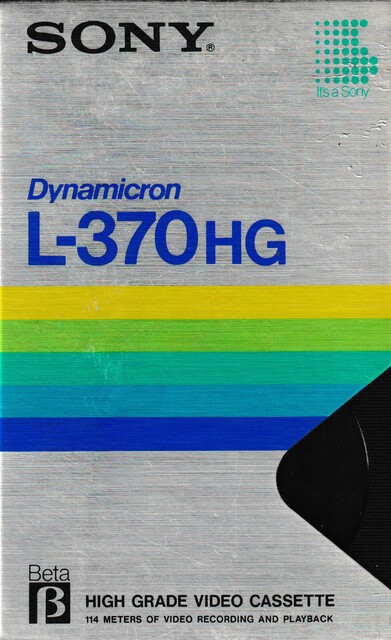
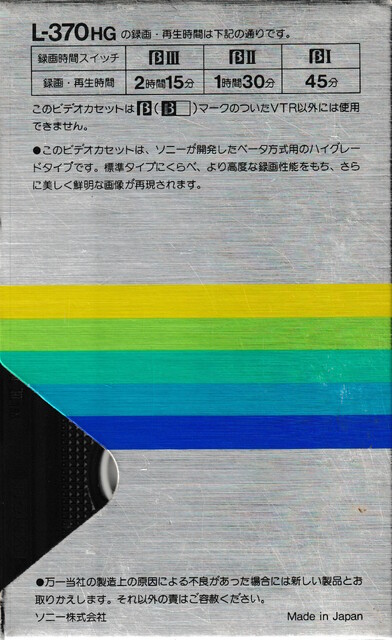
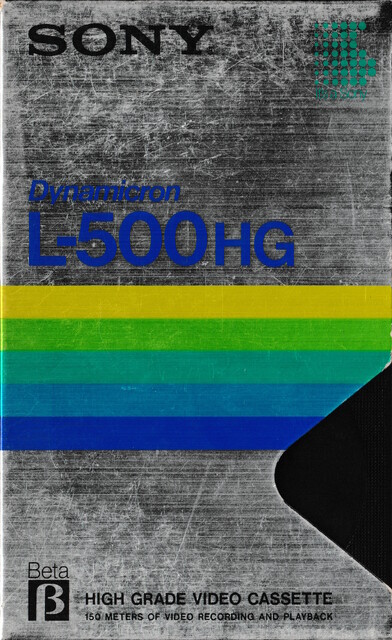
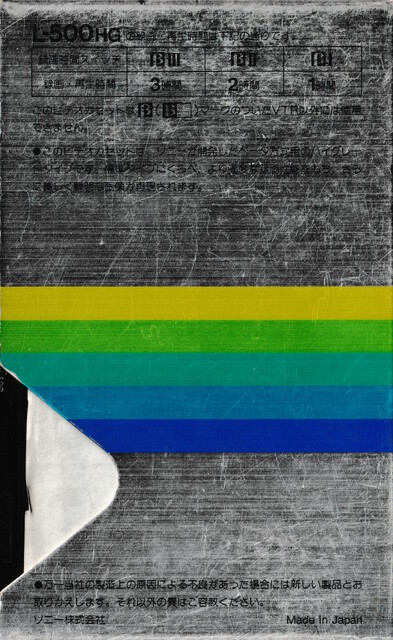
In Japan, Sony continued to sell an
updated HG tape in a new flashy silver case to match
the gold of the UHG tapes also released internationally |
 |
 |
 |
Japanese market HG tape of the uncommon L370 length |
 |
 |
 |
More standard length L500 second generation HG |
 |
 |
 |
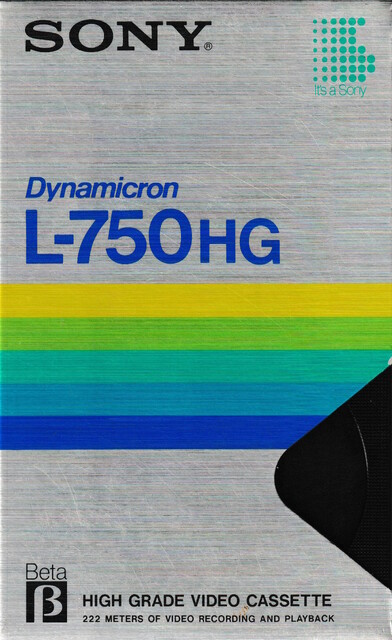
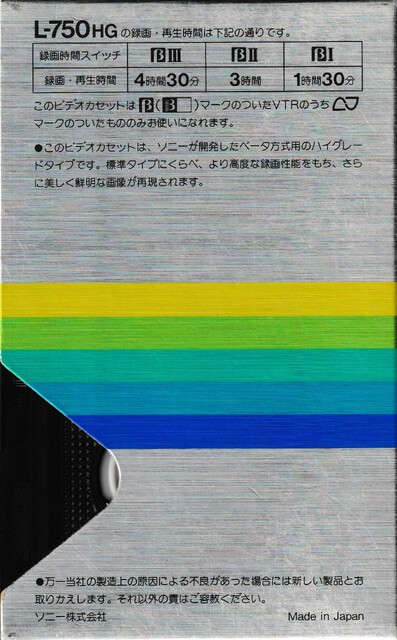
Sony horizontal L750HG
High Grade tape |
 |
 |
 |
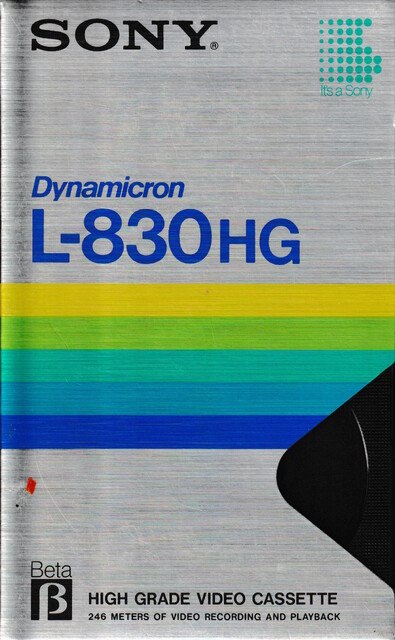
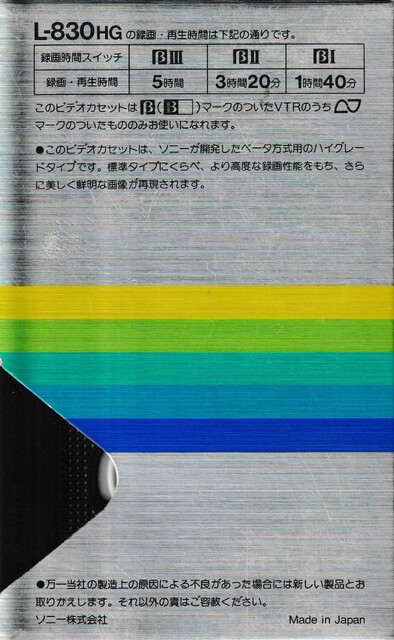
Japanese market L830HG |
 |
 |
 |
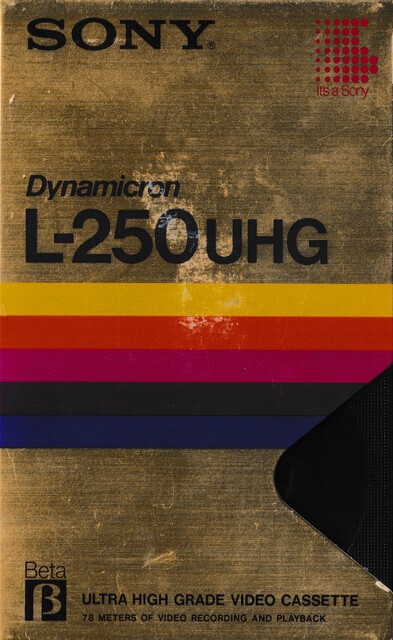
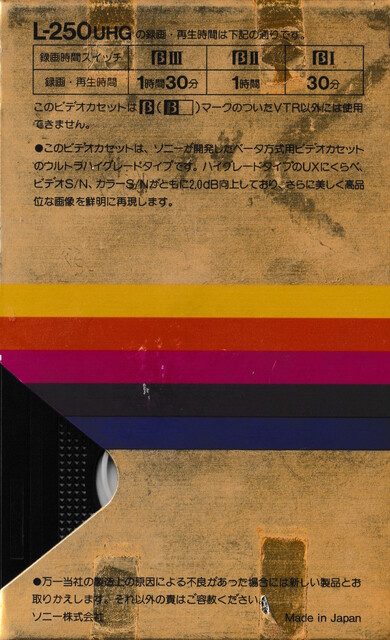
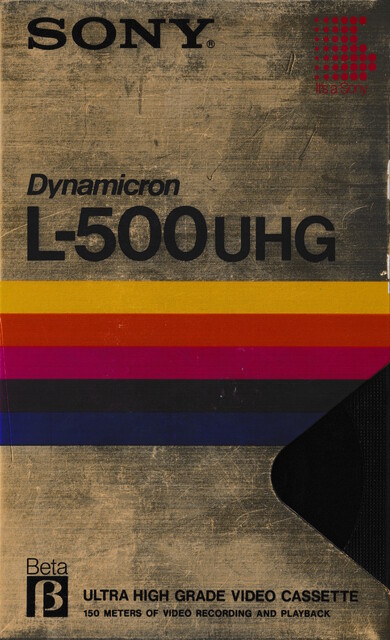
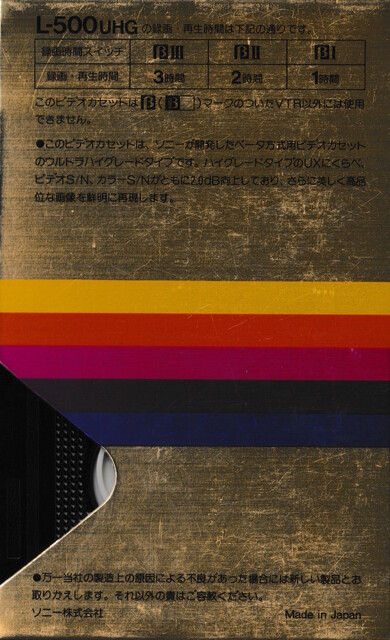
The shiny Japanese market L250UHG or Ultra High
Grade tape |
 |
 |
 |
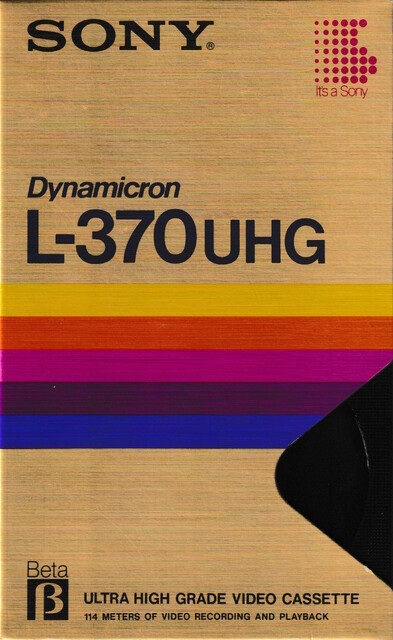
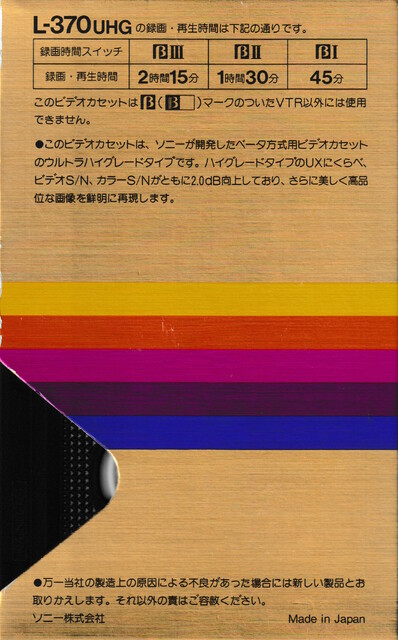
Japanese market L370UHG |
 |
 |
 |
Japanese market L500UHG |
American market
|
|

|
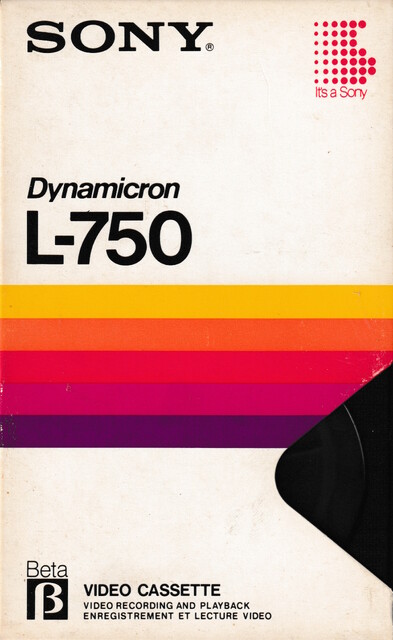
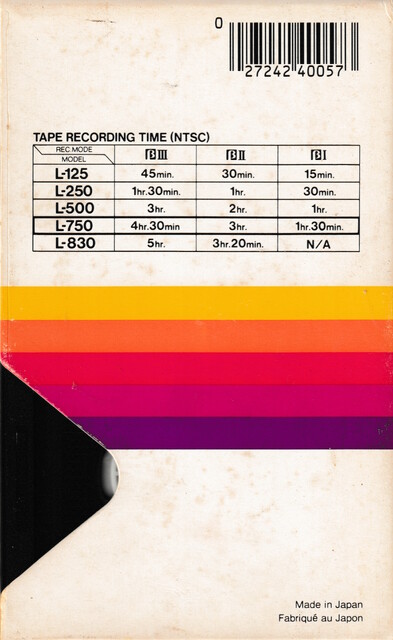
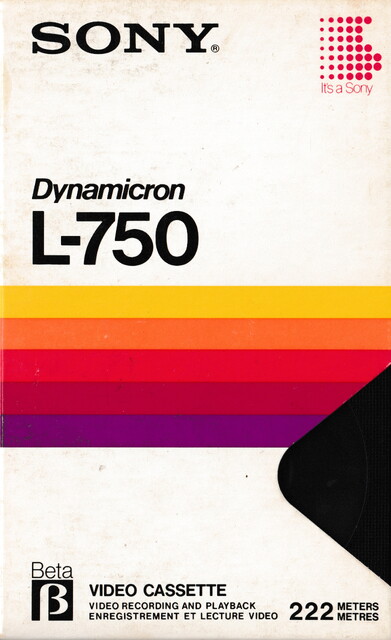
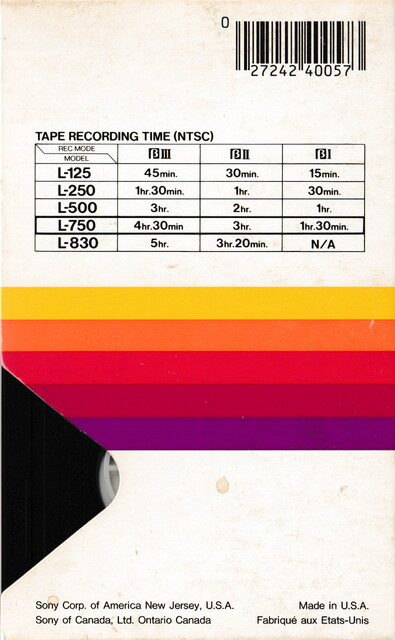
American market L750 that was made in Japan |
 |
 |
 |
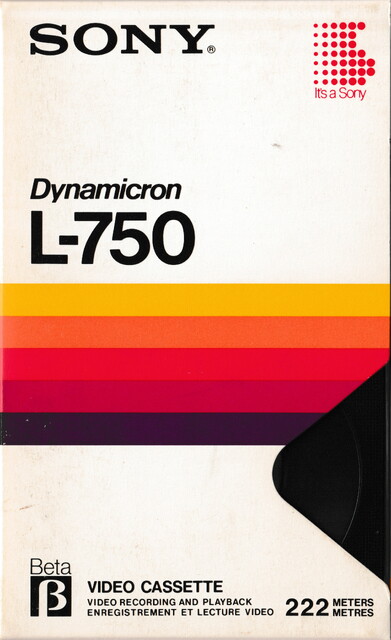
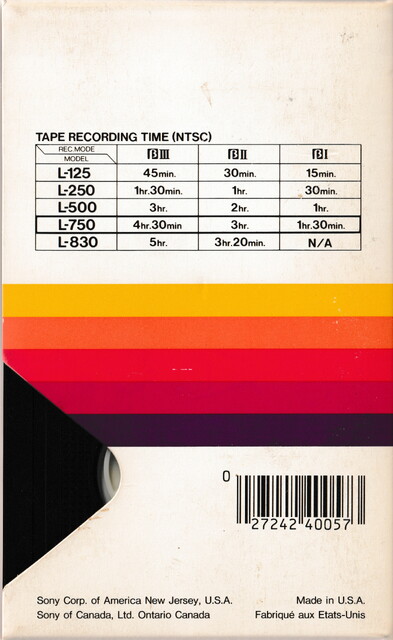
Made in USA American
market L750 |
|
|

|
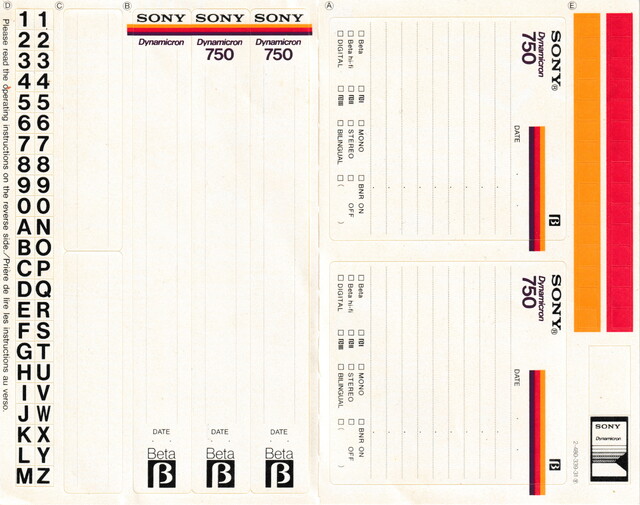
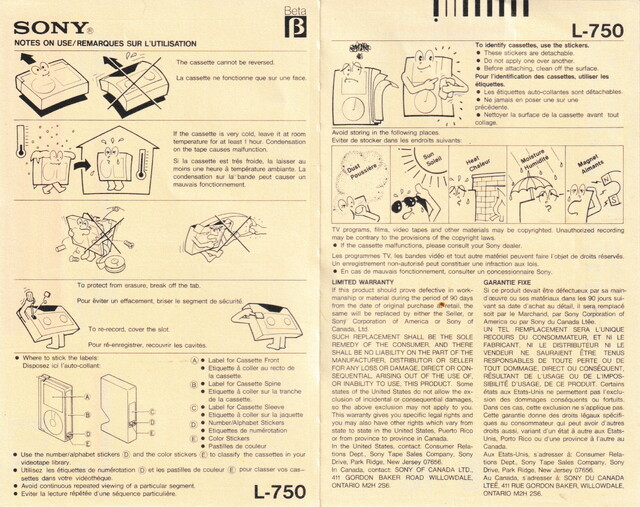
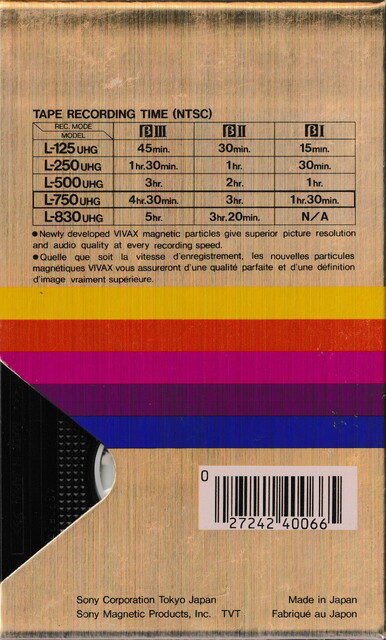
UPC location variant
of the USA Dynamicron L750 |
 |
 |
|
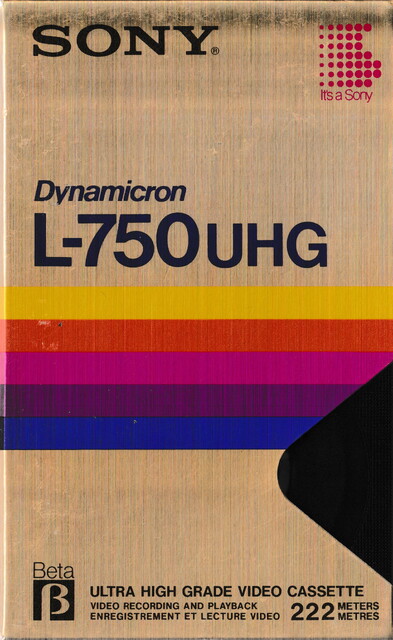
I really like the
sticker that looks like a small Dynamicron tape box |
|
|

|
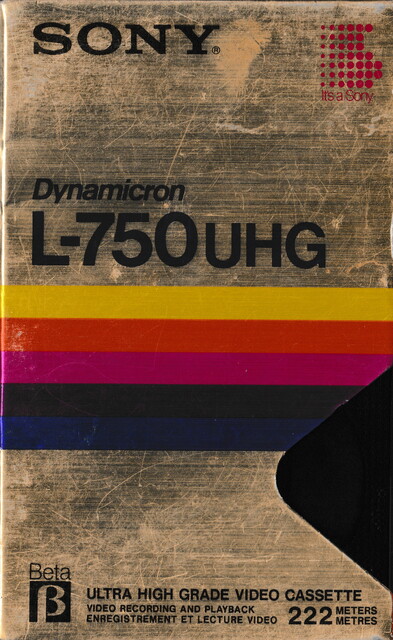
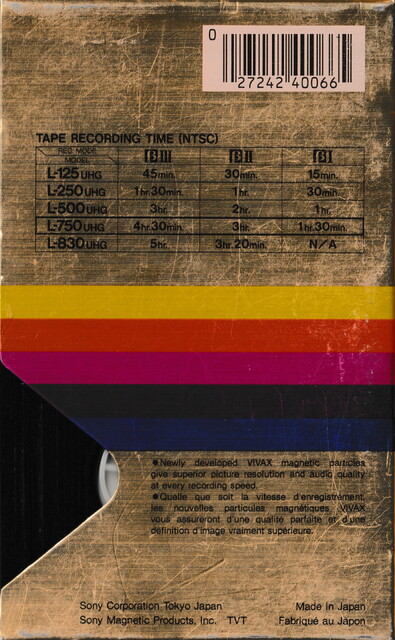
The UHG Ultra High Grade tapes turned out to be prone to dropouts, the streaky white lines sometimes seen when the tape heads cannot pick up video information due to th e signal "dropping out". Many VCRs, including Betas, have built-in dropout compensation - the PCM switch on many Sony Betas turns this compensation off, as the compensator basically fills in the missing section with the color of the last good signal so it blends in to the eye, but PCM has its own error-correcting and wandering signals would end up messing with the digital data more |
|
|

|
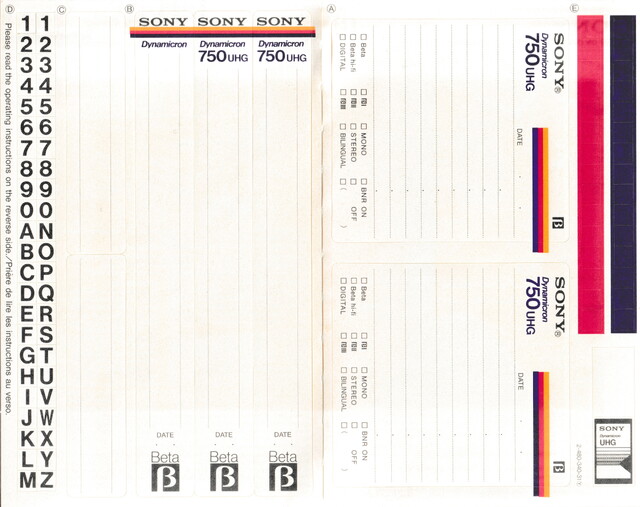
UPC location variant similar to the
standard grade horizontal Dynamicrons above |
 |
 |
|
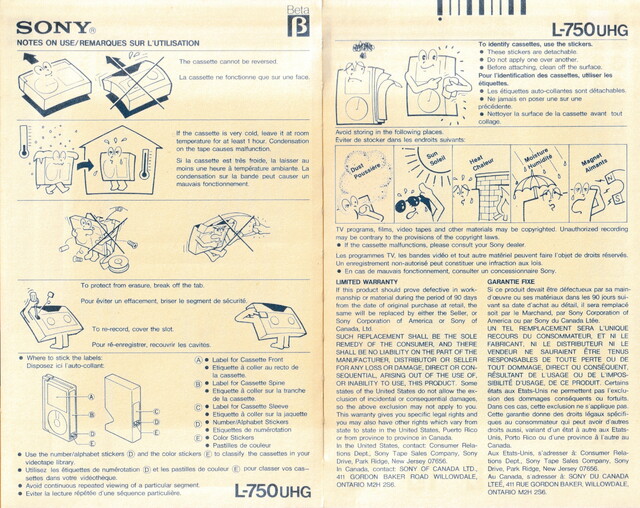
American market L750UHG labels |
|
|

|
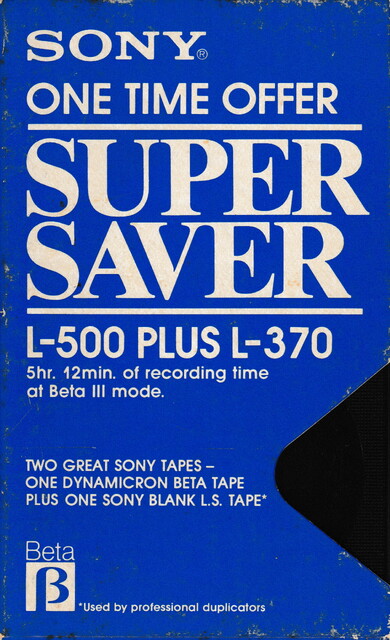
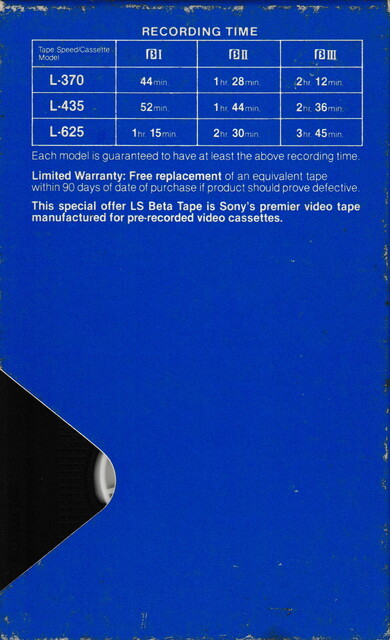
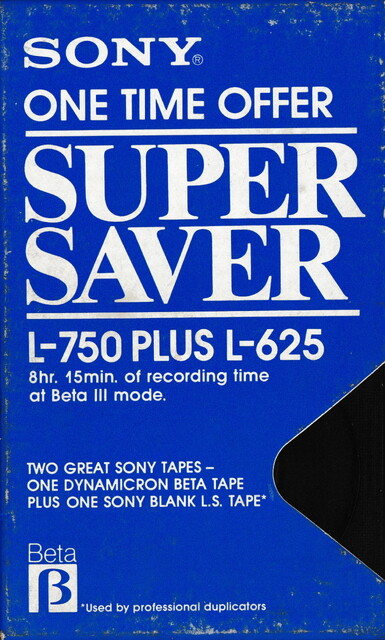
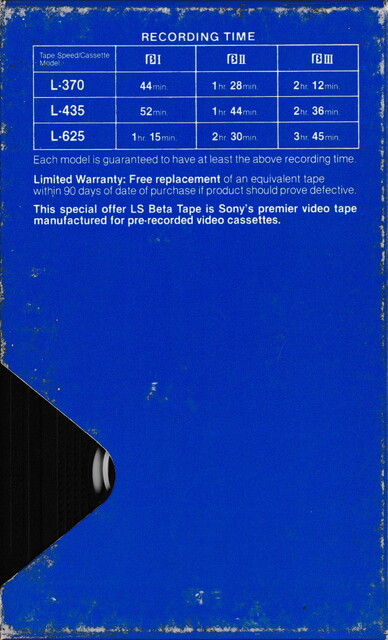
When professional duplication houses
slowed down dubbing of commercial Beta releases,
Sony sold off some of their "LS" dubbing blanks of
nonstandard lengths free with normal Dynamicron
tapes in a Super Saver deal |
|
|

|
These tapes came with their white
"Copywrited material" tape covers and a small foam
blocker inserted into the write-protect tab slot.
Neither of my Super Saver cassettes have an original
label - they may have not been provided |
PAL & SECAM tapes
 |
 |
 |
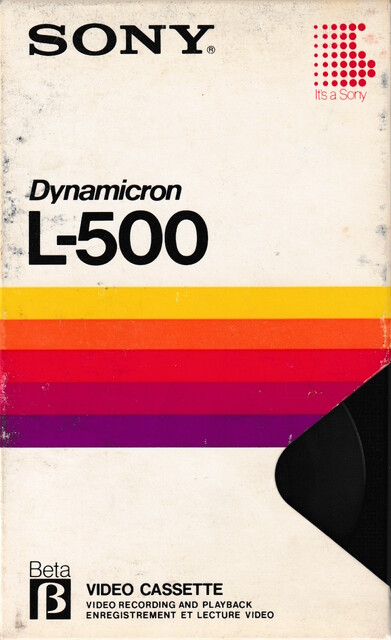
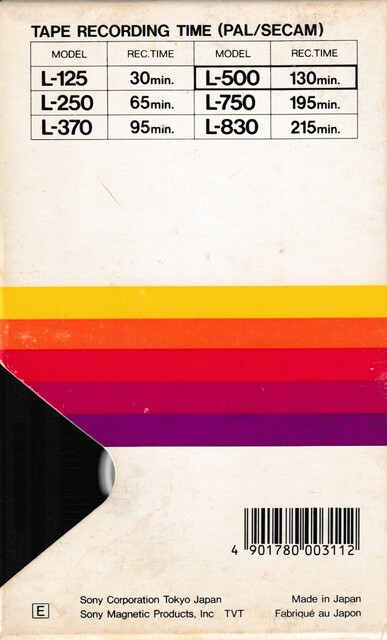
In PAL and SECAM
territories where different recording speeds were not
really a thing, the L370 length was also sold as a
"regular" length |
 |
|

|
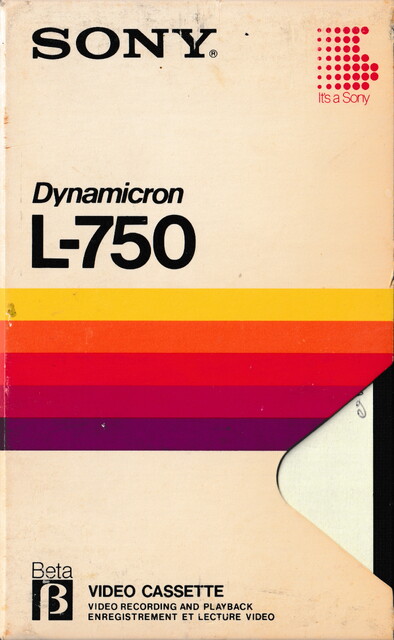
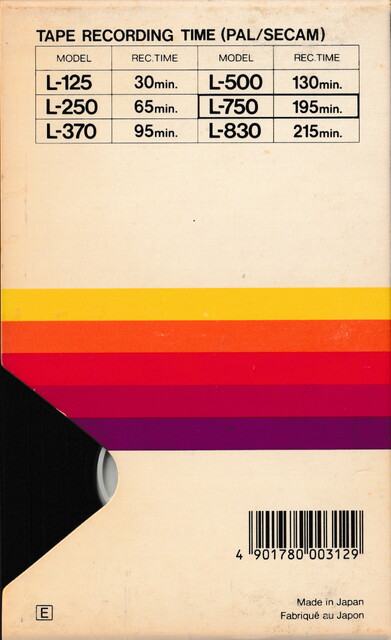
PAL/SECAM market tapes seem to have
been primarily manufactured in Japan, unlike many
American market tapes of this generation which were
made in the USA |
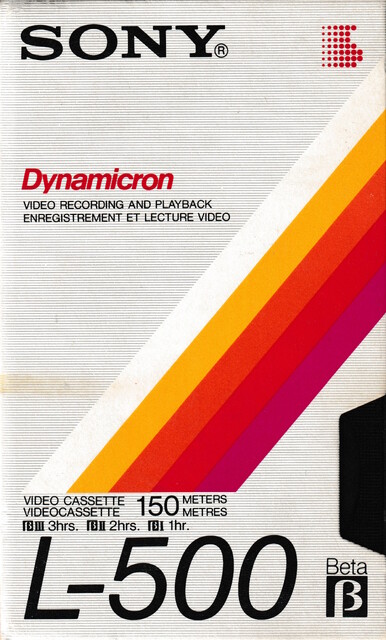
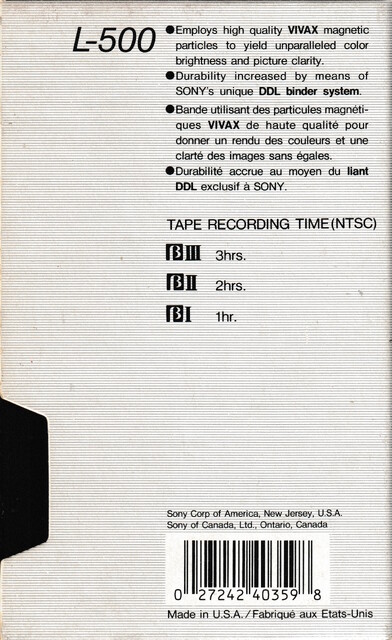
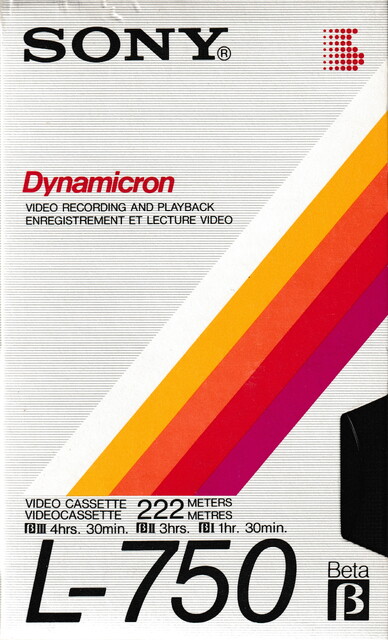
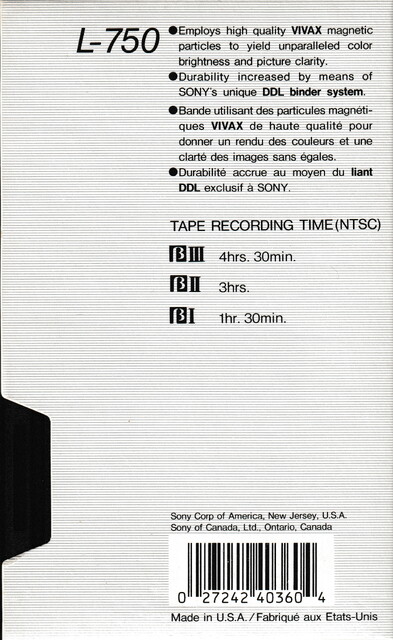
Export diagonal-stripe Dynamicron series (1985 - 1986)
In the mid 1980s the warm-toned color bar motif was changed to
run at an angle with a redesigned layout for the export
market.
American-market tapes
 |
 |
 |
The grip cutout on the
cases was also shallowed, meaning you could no longer see how much
tape was on the supply spool without pulling it out |
 |
|

|
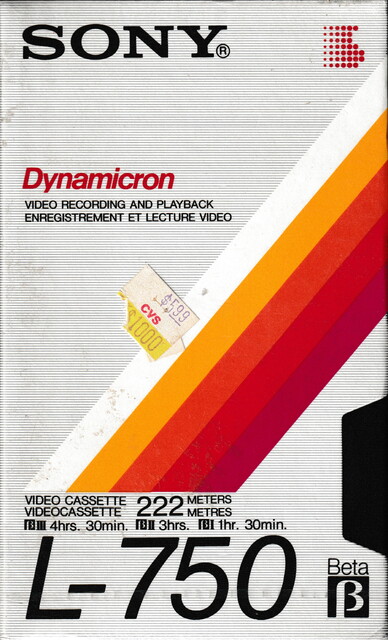
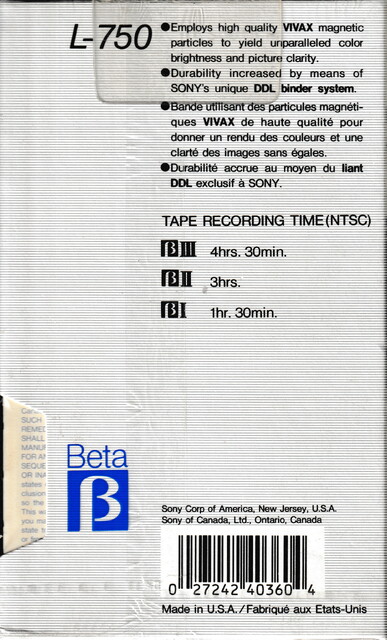
The diagonal stripe L750 Sony Dynamicron |
 |
 |
 |
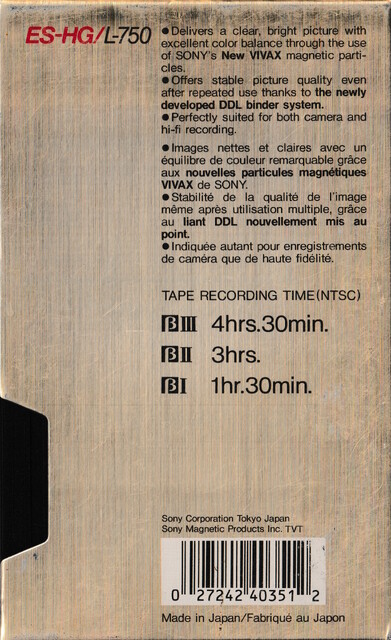
Wrappers for these tapes had a blue
"Beta" logo on the back |
 |
 |
 |
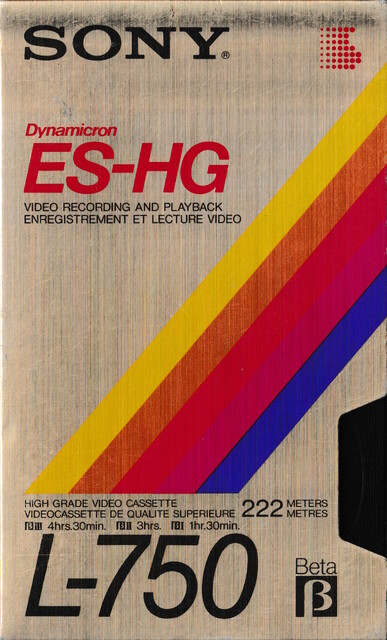
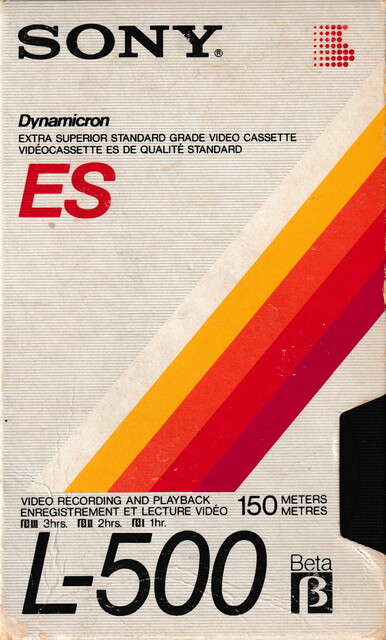
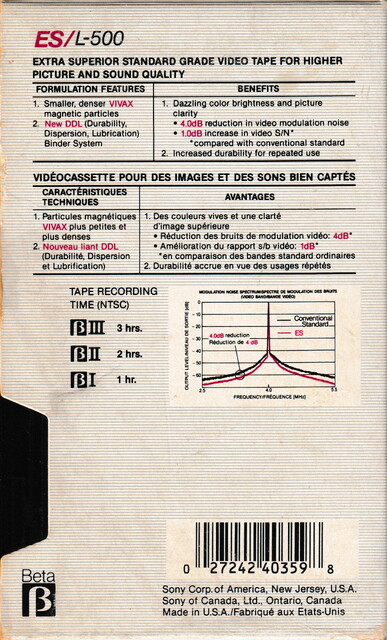
The ES/HG high grade
tape for the 1985 lineup |
 |
 |
 |
As time went on, most American buyers
gravitated towards using L750 length cassettes,
while the L500 and other shorter lengths stayed more
relevant in Japan |
 |
|
 |
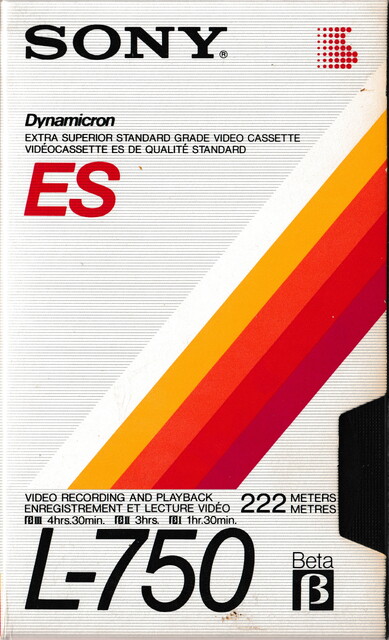
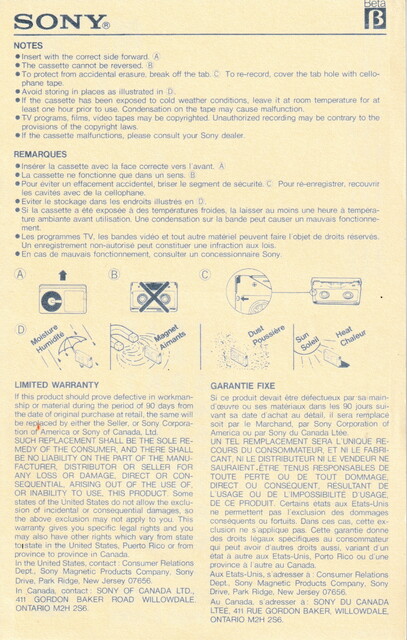
The ES "Extra Superior" standard
grade Dynamicron. They used a smaller magnetic
particle size and binder |
 |
 |
|
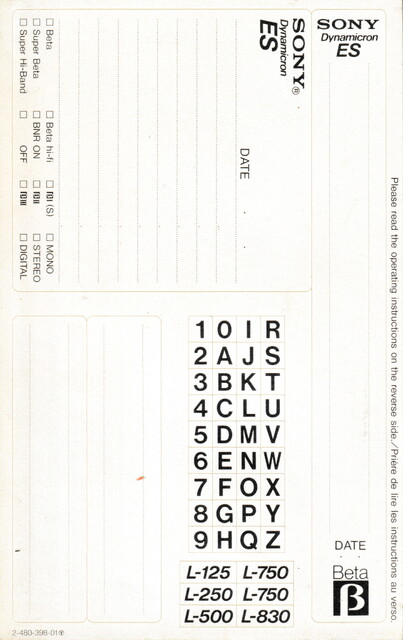
Around this time Sony stopped
printing different label sheets for different length
cassettes, instead giving you small stickers for
different lengths. Tellingly, L750 gets two |
 |
 |
 |
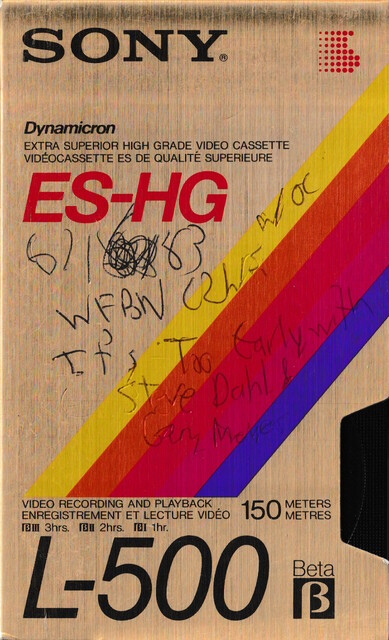
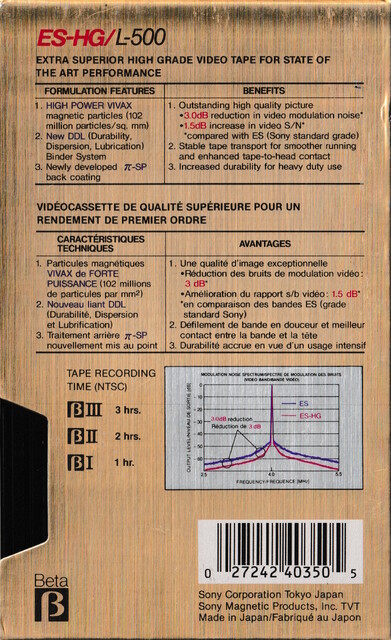
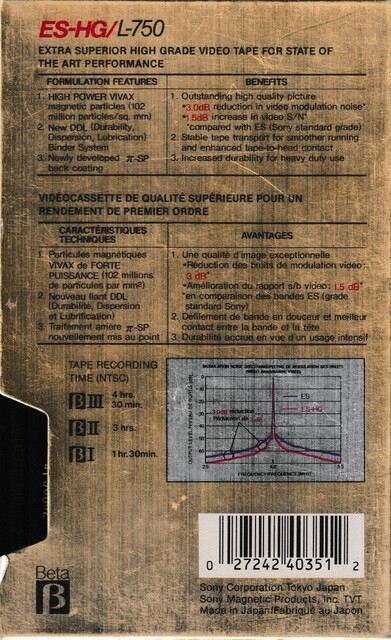
Later
ES-HG L500 with a redesigned back panel more similar to
the ES Dynamicron |
 |
 |
 |
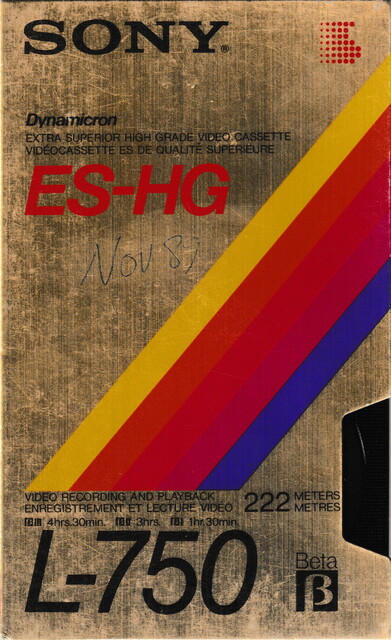
Updated
L750 ES-HG |
Japanese Horizontal-format Dynamicrons (1986)
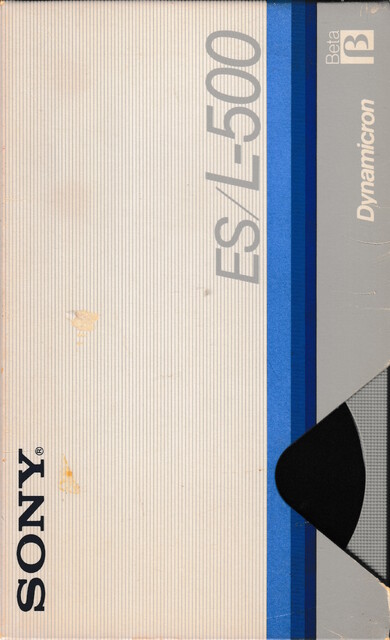
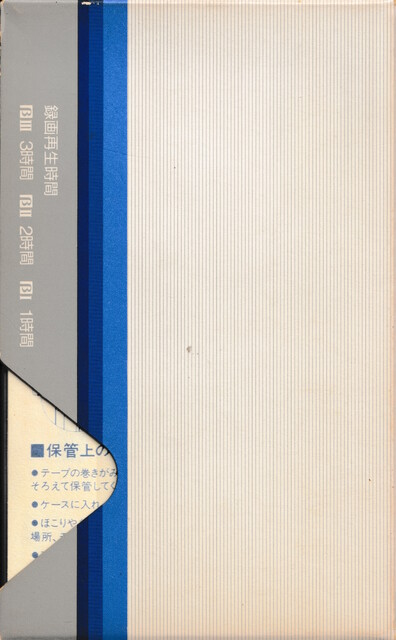
Around 1986 a new range of Japanese Dynamicrons with informative
wrappers and simplified cardboard sleeves was released in Japan.
These cases were situated horizontally and had a less colorful array
of stripes. The tapes are grey with gold text on the tape door.
|
|

|
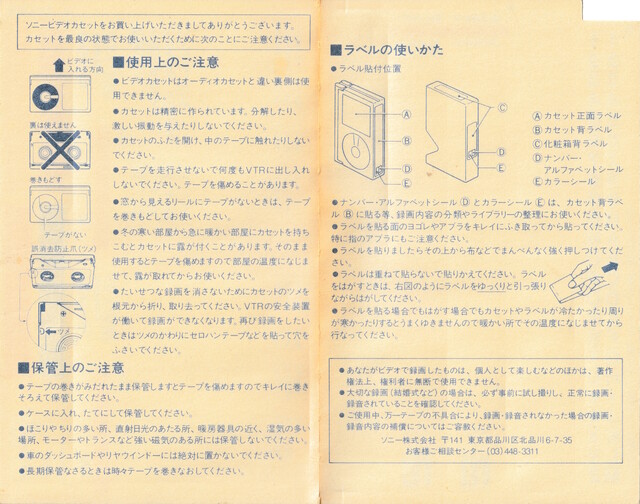
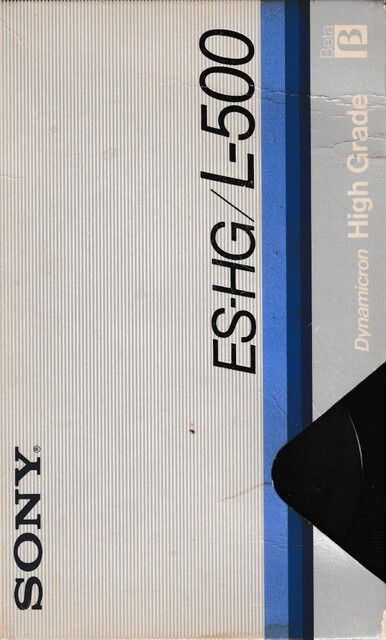
Later Japanese market ES/L500 in a nice, heavy cardboard slipcase |
 |
 |
|
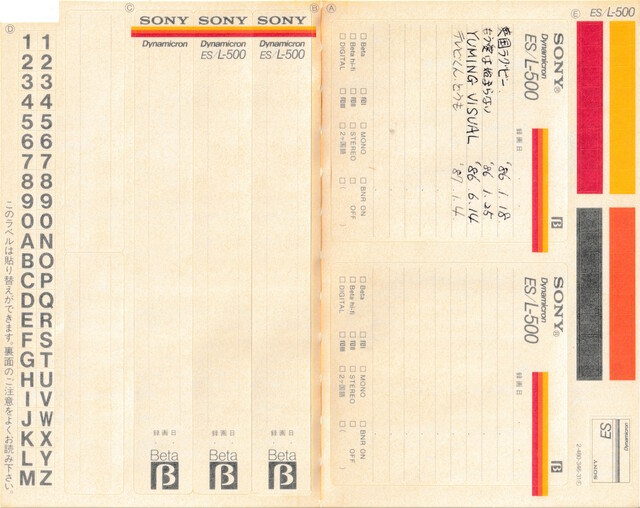
Nice label sheets for the ES L500
- this one is logged as being recorded first in early 1986 |
|
|

|
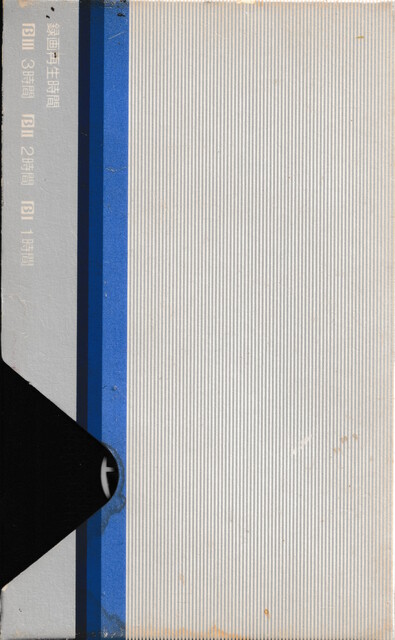
Later High Grade ES-HG L500 for the
Japanese market - the wrong tape is in this case |
|
|

|
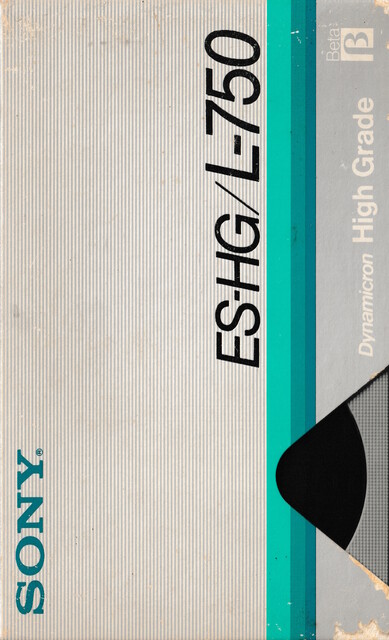
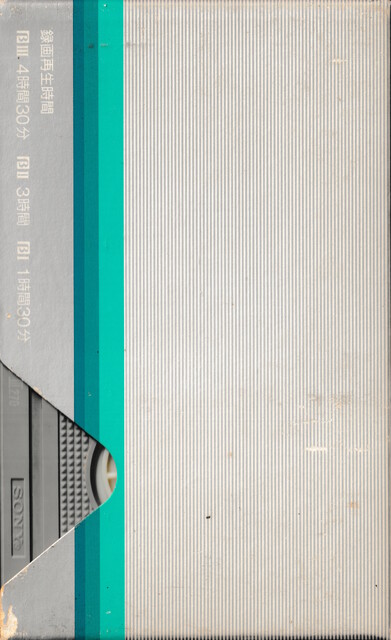
ES-HG L750 with teal
stripes. I guess the different colors were for length, not
grade, in this generation |
Other American-market tapes (1986-1990)
|
 |
 |
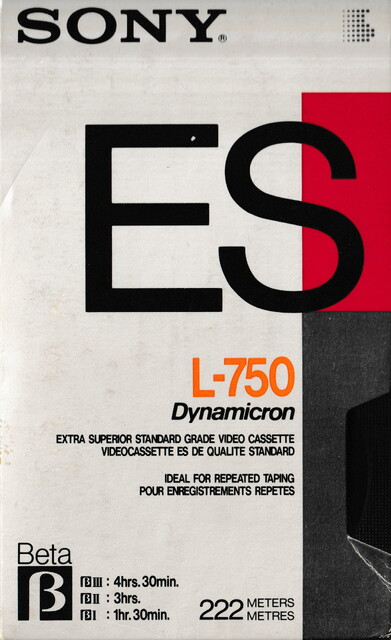
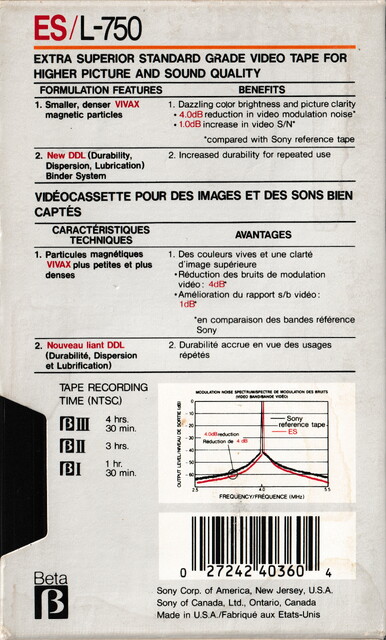
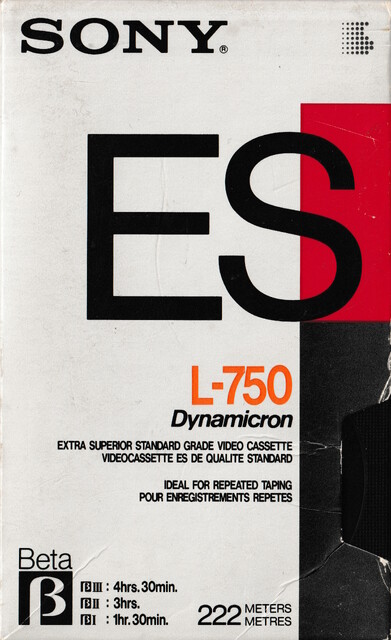
By 1986 the ES had become the
standard Sony cassette. In Europe an ES and DX tape were
sold with this style of case |
 |
 |
 |
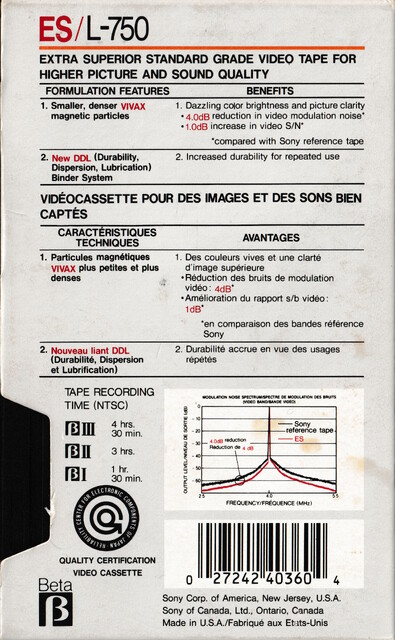
American L750ES variant with a
quality assurance seal added to the back |
|
 |
|
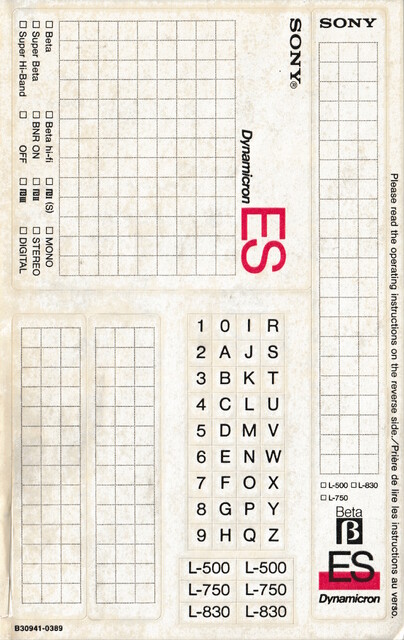
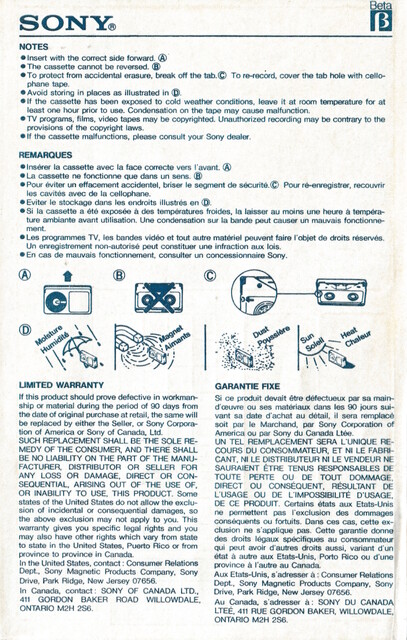
By 1986 new high-end
machines had Beta Is Super Hi-Band recording, with Super Beta and
hi-fi also included on the label |
 |
 |
 |
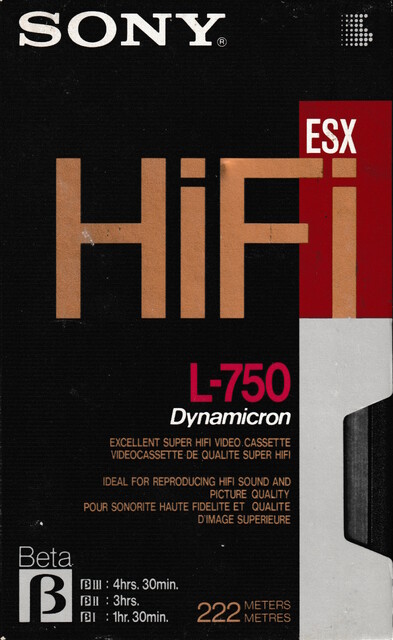
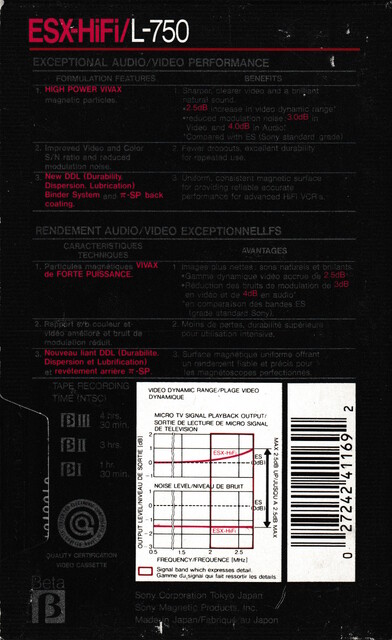
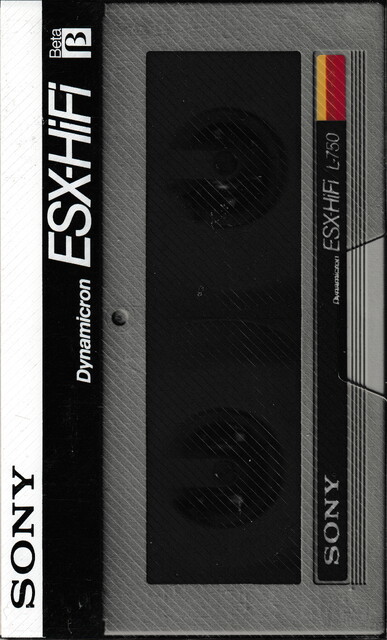
American market ESX hifi L750. These
tapes has a single large window showing both reels
and a cardboard slipcase, unlike the plastic
slipcases of most other large-window Sony cassettes |
 |
 |
 |
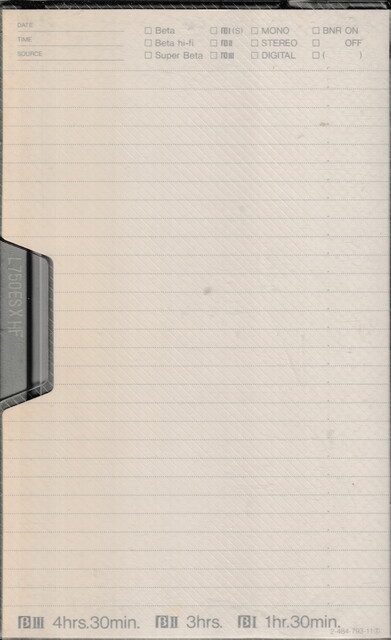
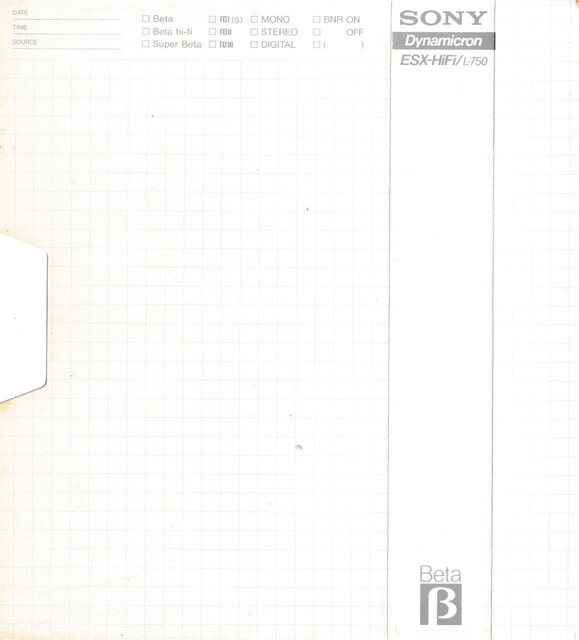
The higher grade American market L750
ESX-HiFi, with a grey cassette and large tape
window |
 |
 |
|
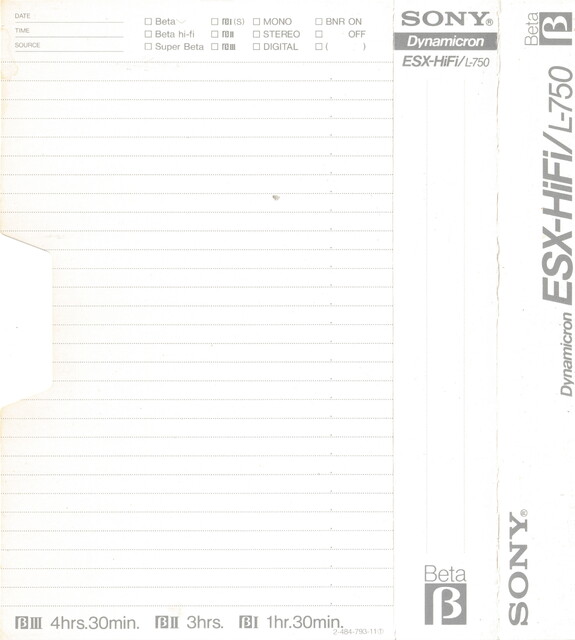
The plastic case for these tapes was
actually mostly a textured transparent plastic with
only the black and white ESX-HiFi banner at the top
printed on it and this card inserted inside |
Other Japanese-market tapes (1980s-1990s)
It has thus far been a little bit hard to pin down when exactly
some of these different designs of tapes appeared, but I have
organized these other Japanese market tapes into what I roughly
think is approximately chronological order. If you have any
additional information on the specifics of these tapes, get in
touch.
|
|

|
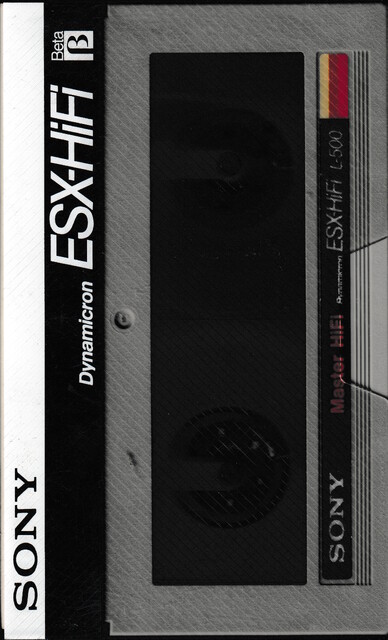
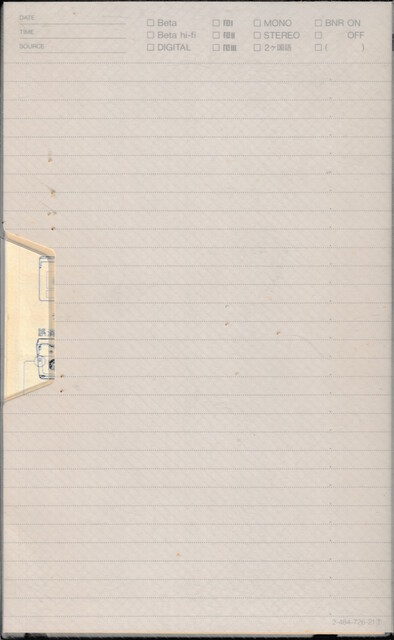
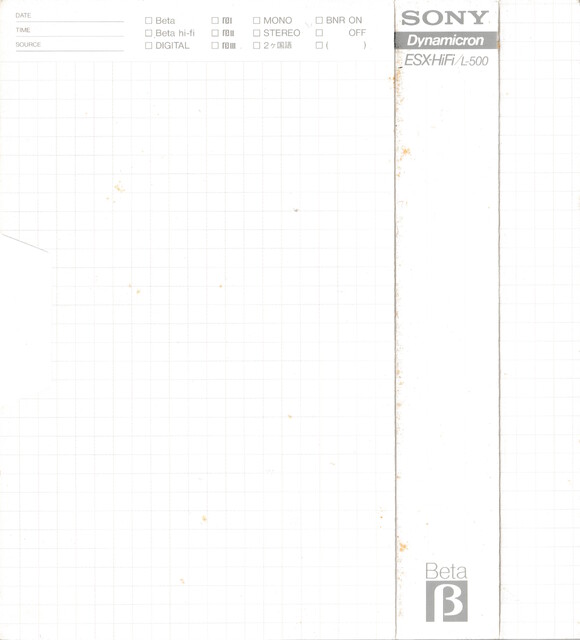
Japanese market L500
Master HiFi ESX-HiFi |
|
|
|
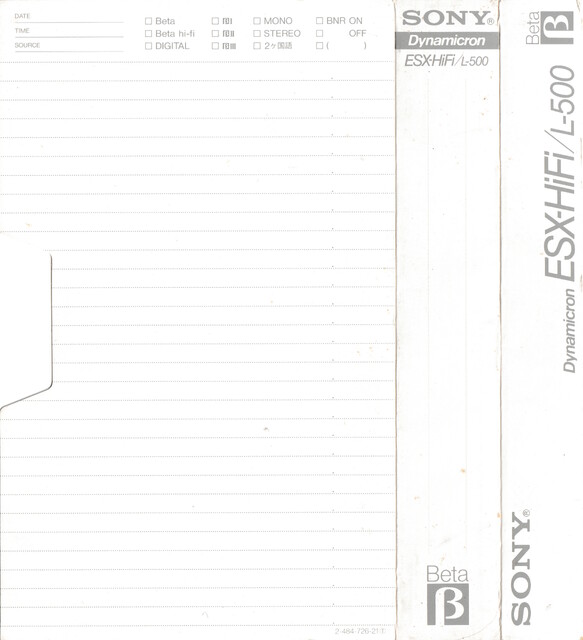
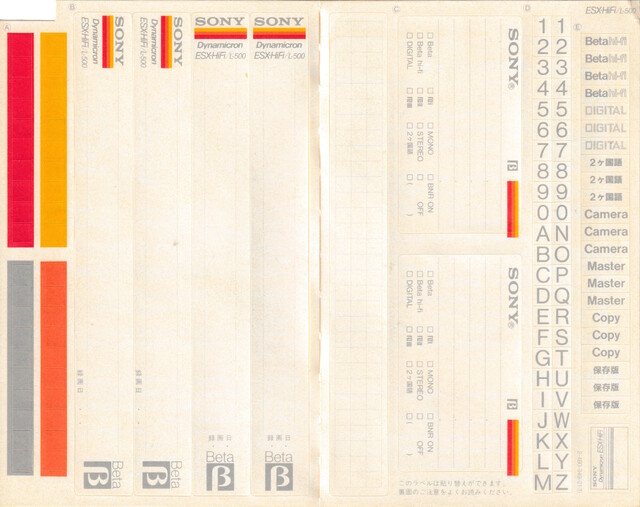
Insert for the Japanese L500
ESX-HiFi |
 |
 |
|
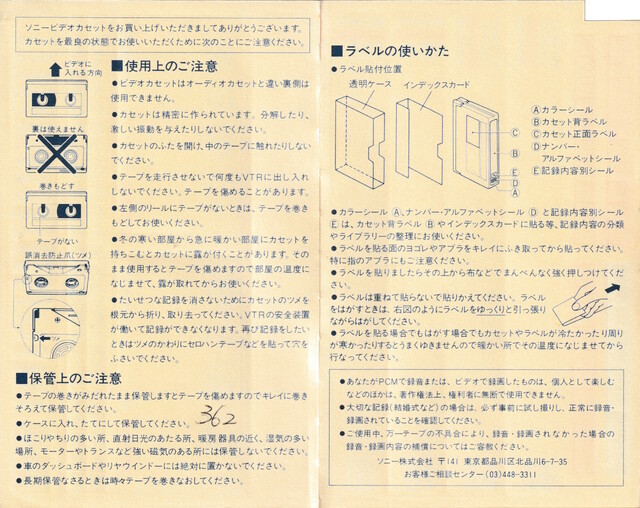
With
Beta focusing on the high-end market, tape labels that reference PCM audio
and Super Hi-Band recording were common with Japanese
Sony tapes |
 |
 |
 |
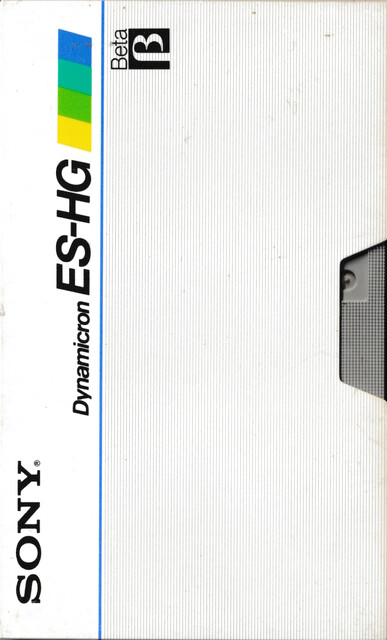
Plastic sleeve ES-HG L500
which seems to be the stepping stone between the
horizontal cardboard case tapes above and the other white
slipcase tapes below |
 |
 |
 |
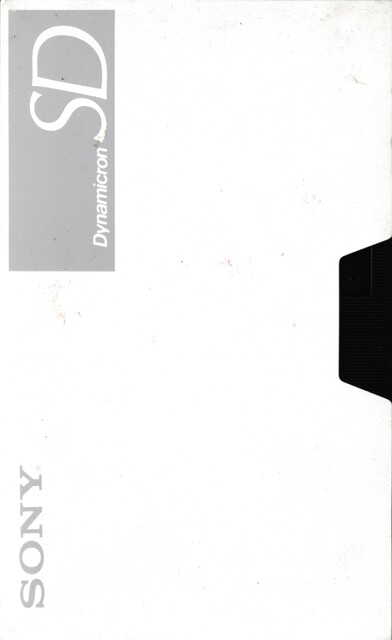
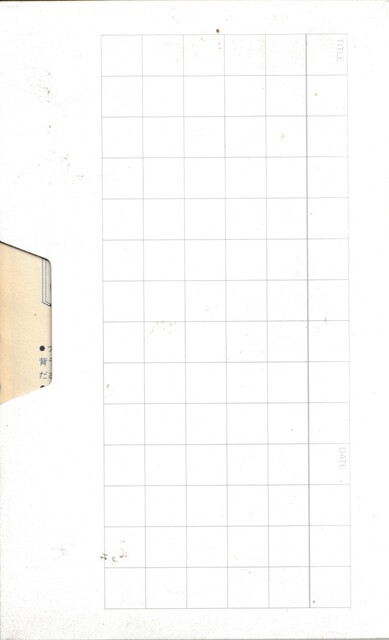
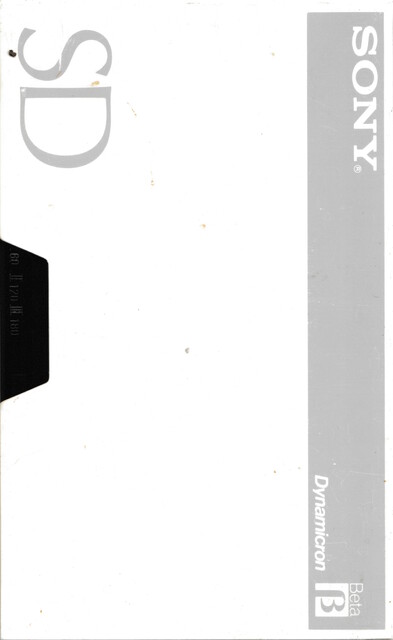
SD L500 variant with a grid on the rear. White plastic slipcases were somewhat of a "thing"
for tapes in
Japan in the 1990s |
|
|

|
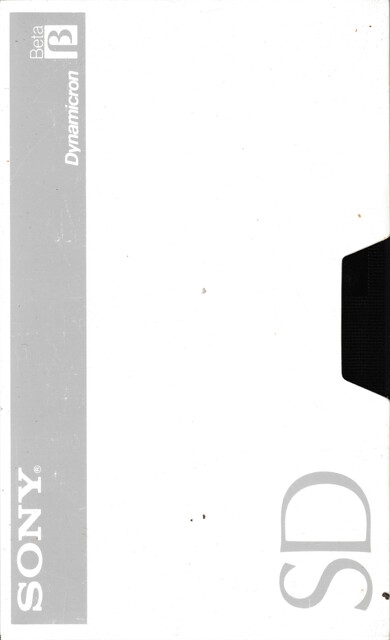
Later Japanese market SD "standard"
L500 |
|
|

|
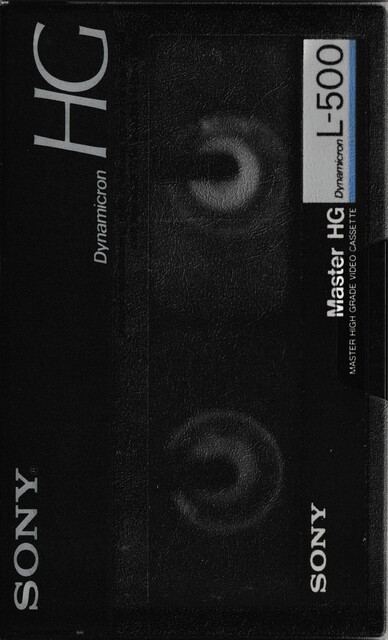
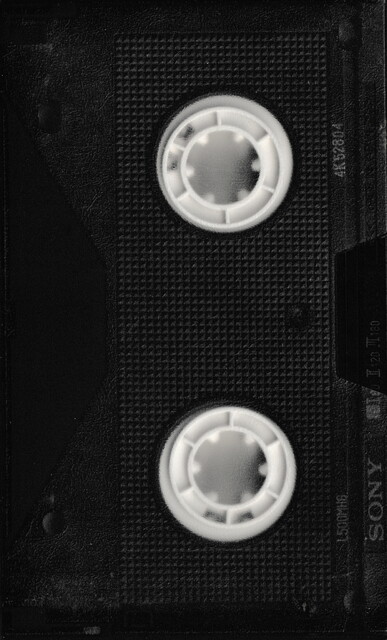
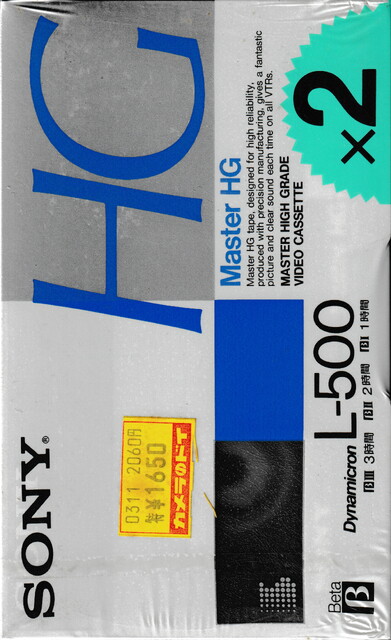
In the late 80s Sony switched to a more open faced cassette design
for many of their tapes as well as clear cases as seen on this Japanese market Master HG L500 |
 |
 |
|
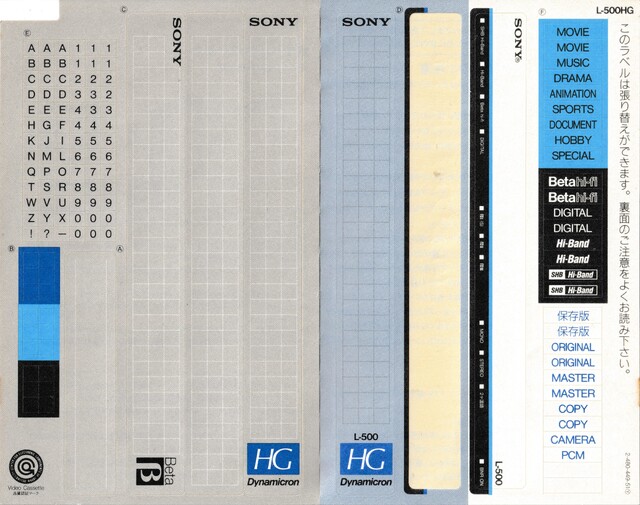
Nicely featured label
sheet for the L500 HG |
|
|
|
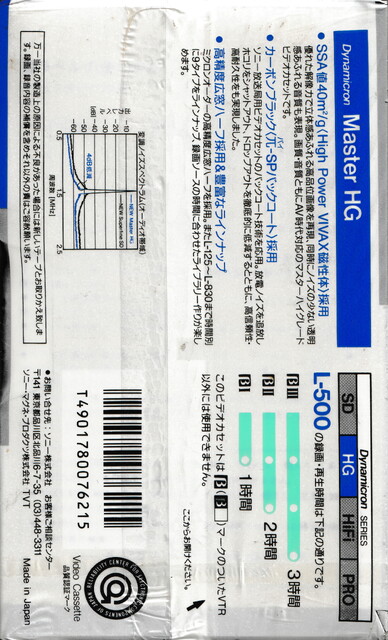
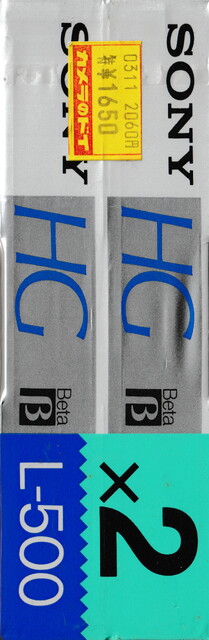
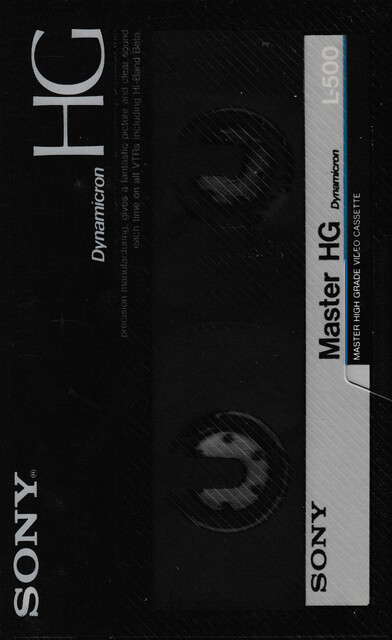
A sealed two pack of Master HG L500s.
The HG is the next step up from the SD tapes above |
|
|

|
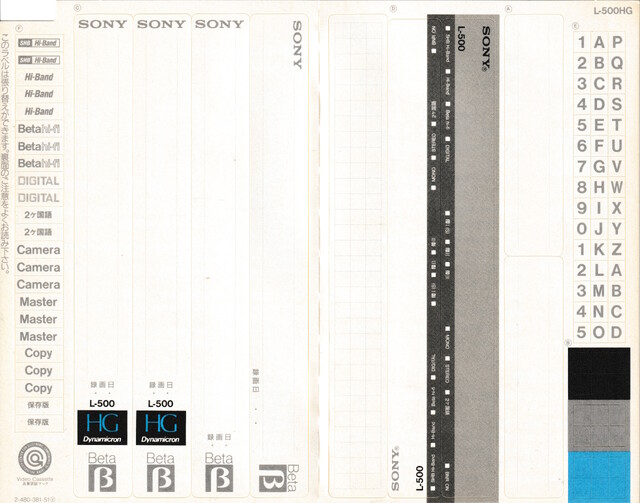
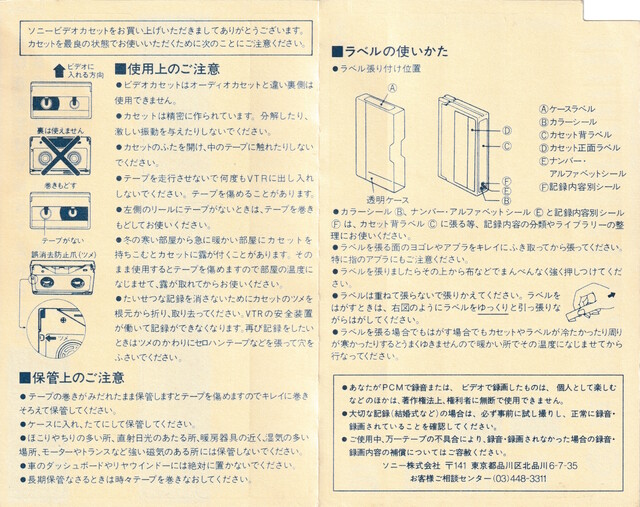
Variant of the Master HG L500 with a
slightly different slipcase and front tape label. Like
the SD tapes above, one has the HG italicized, and the
other not |
 |
 |
|
Nicely featured label
sheet for the L500 HG |
|
|

|
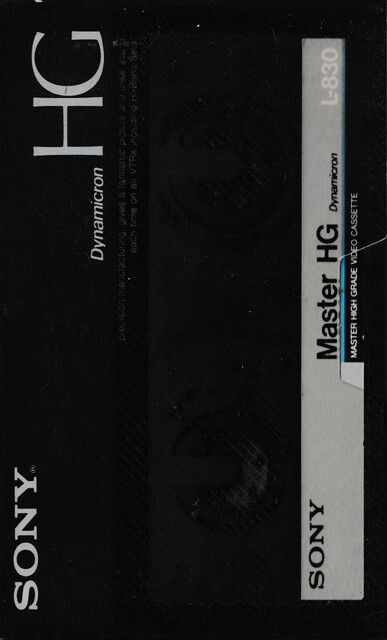
Master HG L830 variant |
|
|

|
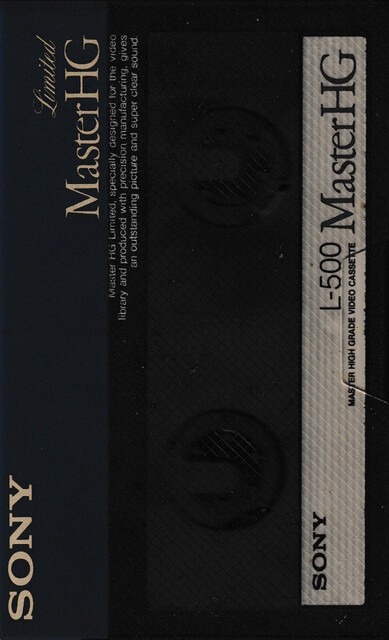
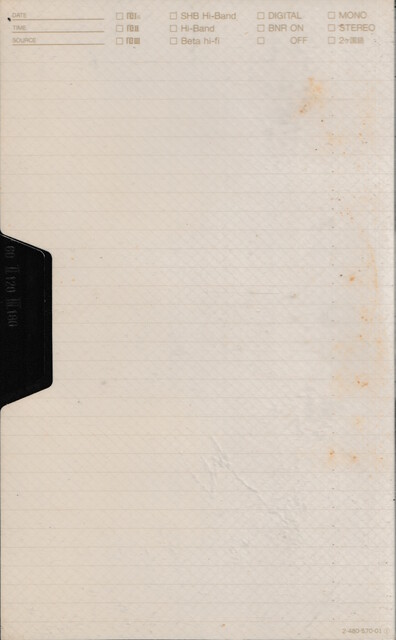
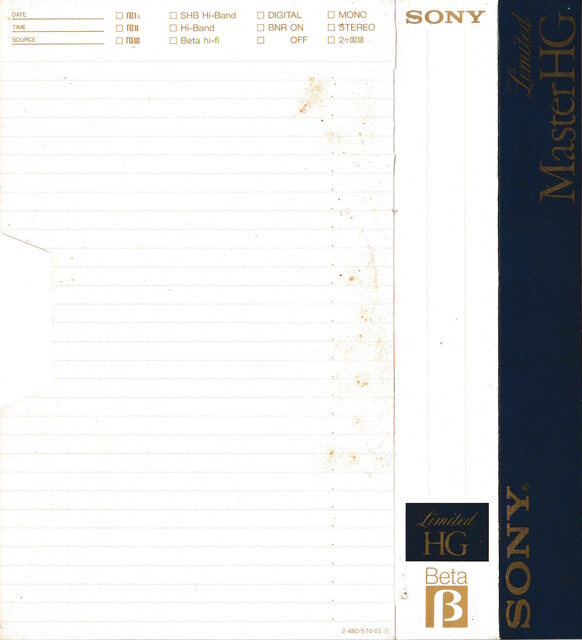
Limited Master HG L500 with even
nicer labels and a removable log sheet |
 |
 |
|
Nicely featured label
sheet for the L500 HG |
|
|

|
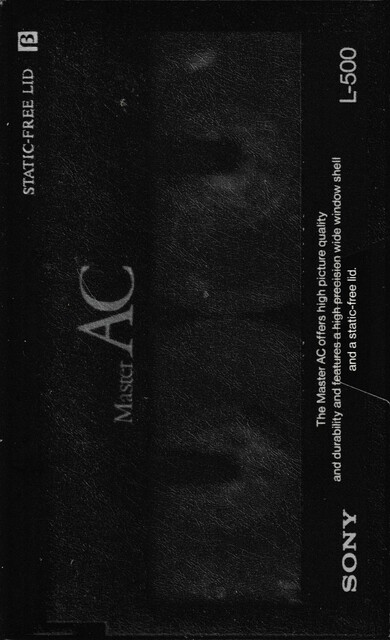
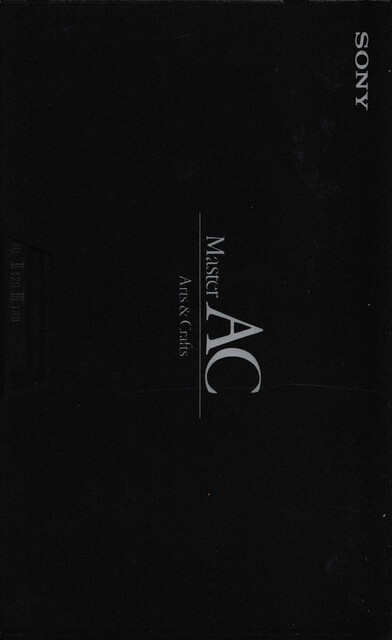
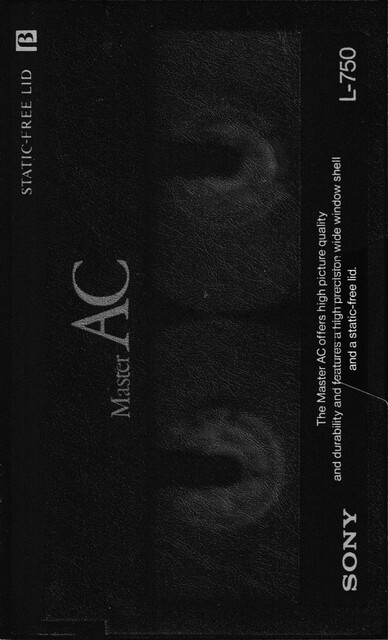
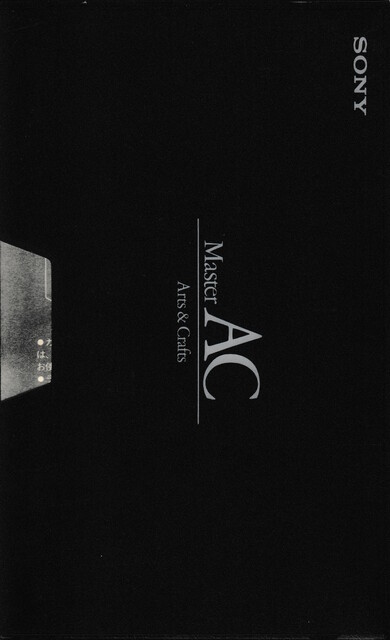
Japanese market Master AC Arts &
Crafts L500 |
|
|

|
L750 Master AC |
 |
 |
|
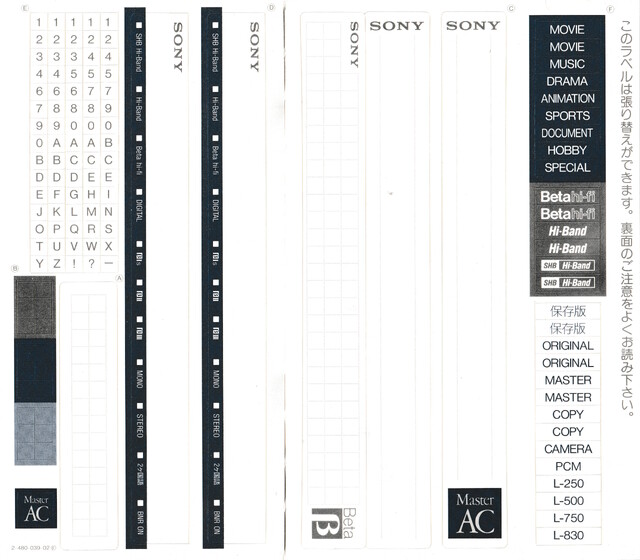
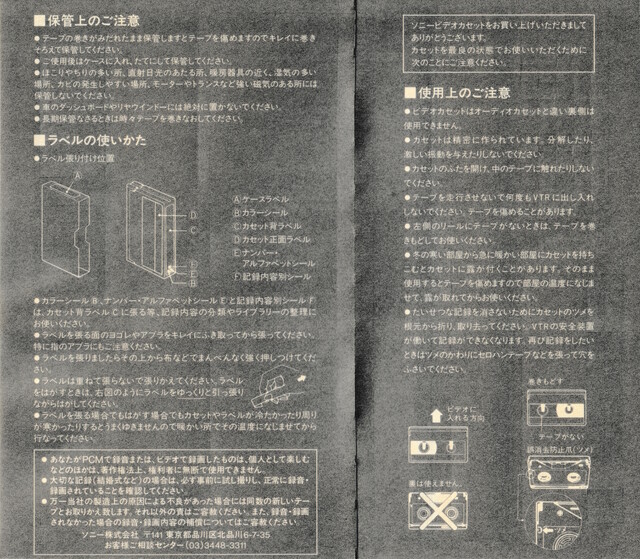
Nicely featured label
sheet for the L500 HG |
 |
 |
 |
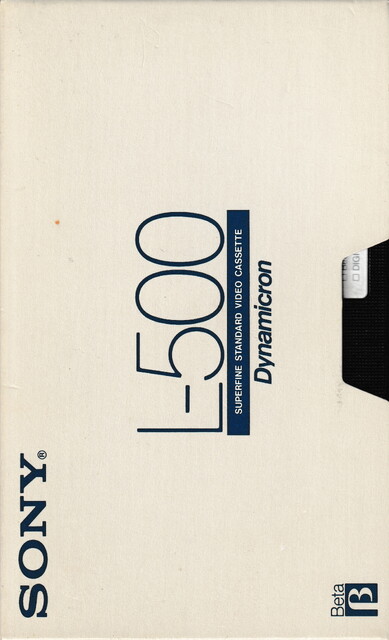
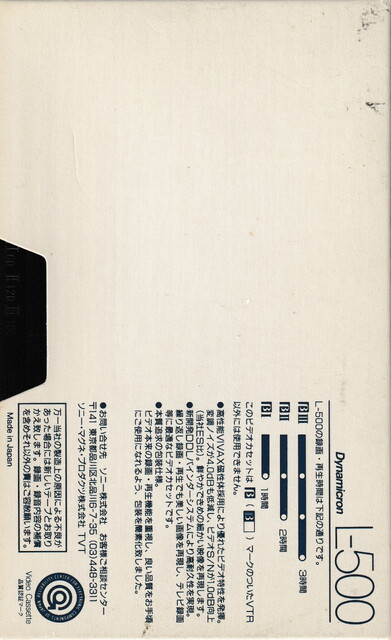
90s Japanese basic L500 "superfine"
that acknowledges the old Beta-square era. Some of these
designs I have only come across once... I wonder if any
were VCR pack-ins |
Later Export Tapes (1990s)
In the 1990s Sony consolidated the NTSC and PAL/SECAM blank tapes
into a unified range with labels for multiple regions. I don't
really buy sealed tapes online and haven't come across them in the
wild as of yet, so I don't have the much more informative wrappers
for any of these tapes...
 |
 |
 |
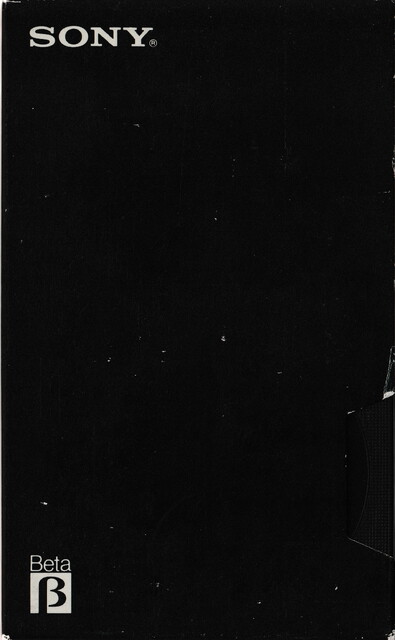
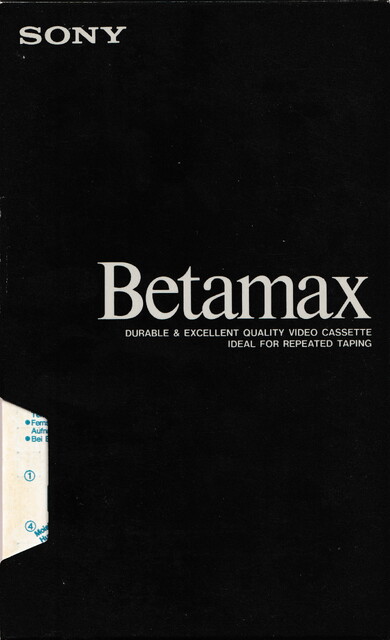
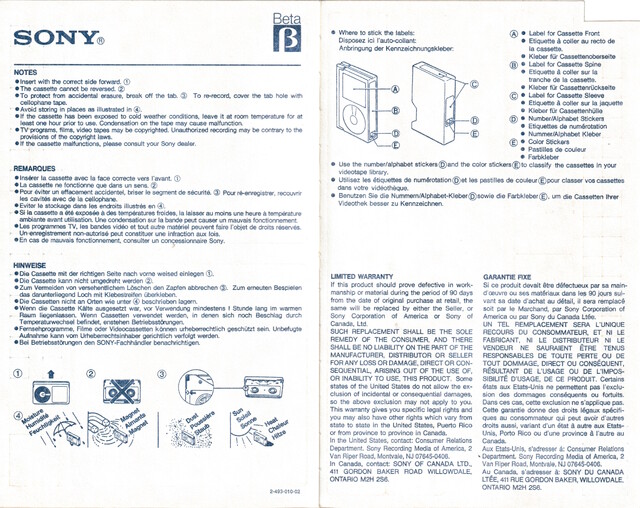
The 1991 standard export Sony tapes had flashy plastic wrappers but a fairly understated design that almost looks better backwards, leading to people storing cassettes "upside down" relative to other cases - not that this actually matters |
|
|
|
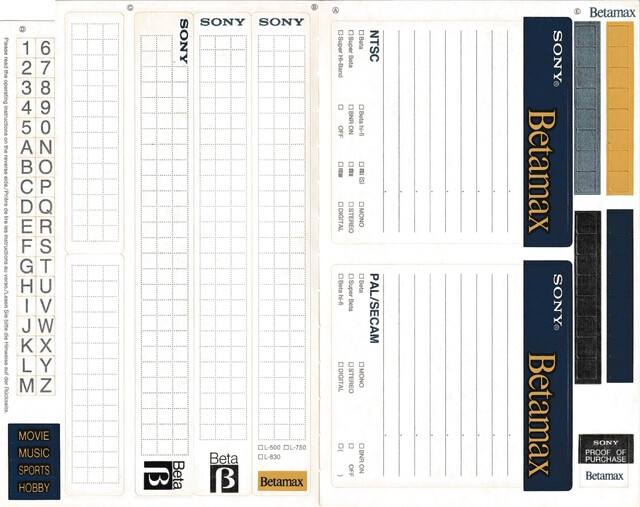
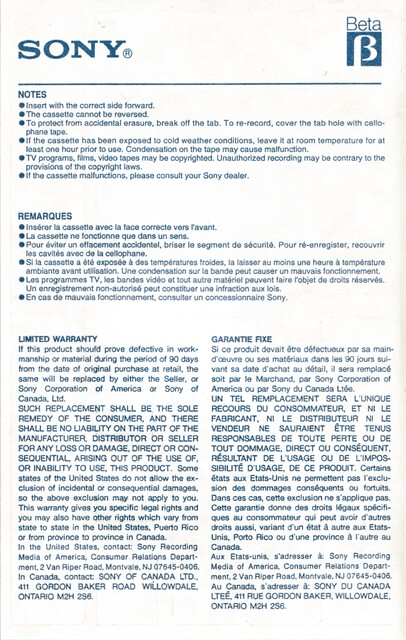
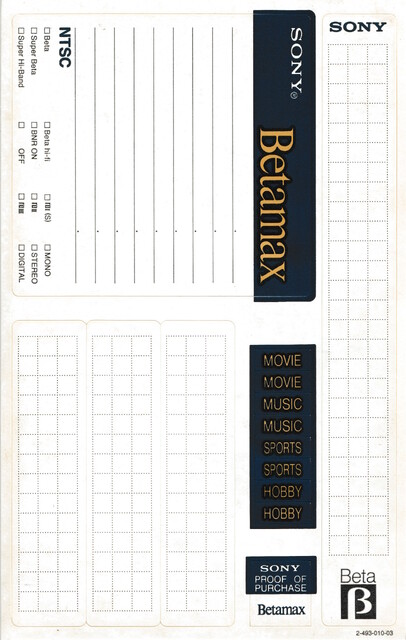
Sony only printed one type of international label sheet for these tapes, with different stickers included for NTSC and PAL/SECAM use |
|
|
|
Later on (potentially after PAL/SECAM
sales had dropped off) these tapes included only a
small single panel label sheet |
|
|

|
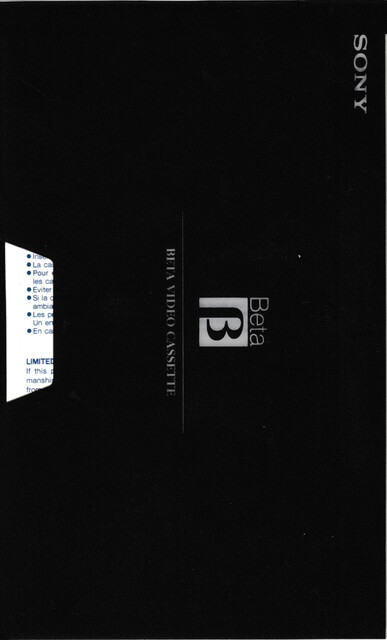
A very nondescript 90s Beta with a
large cassette window and plastic slipcase |
|
|
|
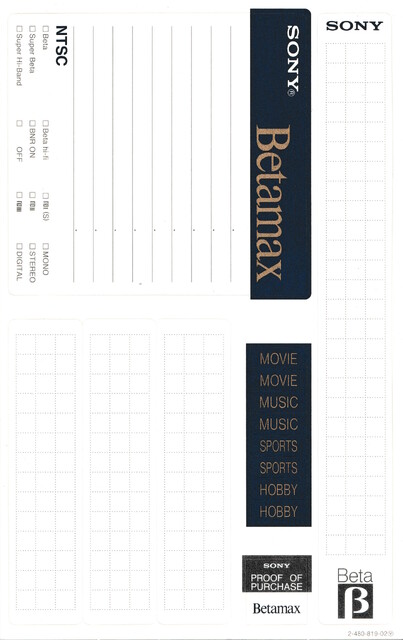
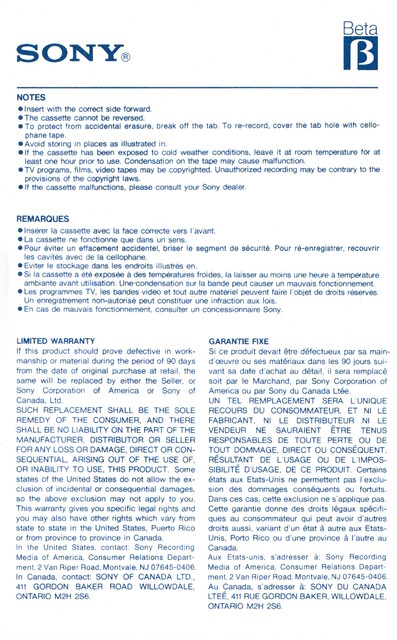
The label sheet is very similar to
the later NTSC only variant of the cardboard sleeve
90s Sony but with a grey proof of purchase sticker
instead of blue |
ED Extended Definition Betas (1988 - 1990s)
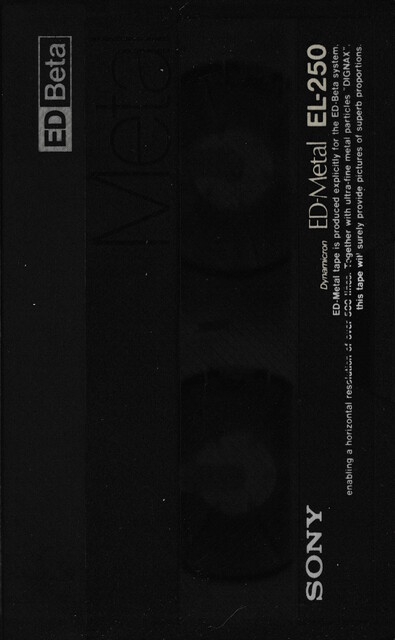
In the late 1980s Sony introduced a range of Extended Definition
Beta VCRs that packed additional resolution into the recorded image.
They use metal particle tape
|
|

|
Metal particle EL250 Extended
Definition tape |
|
|

|
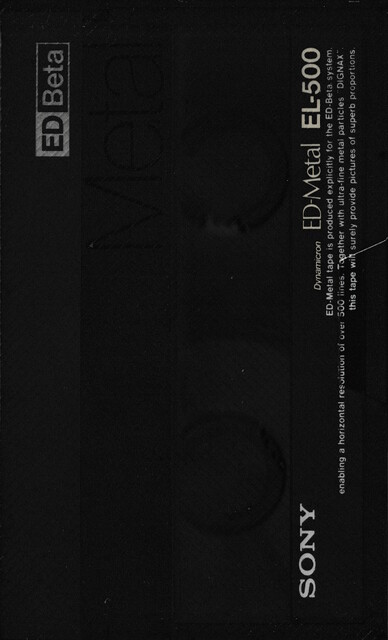
EL500 ED Beta cassette |
|
|
|
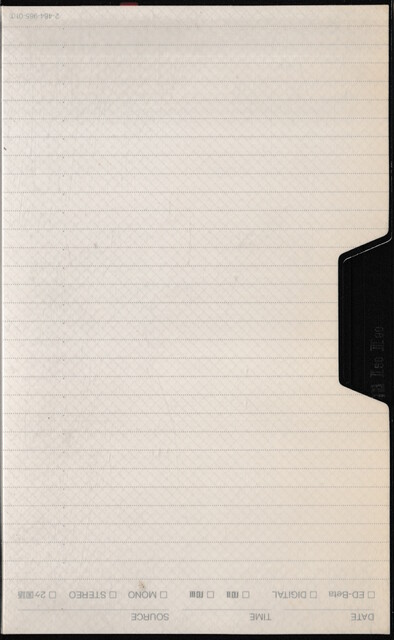
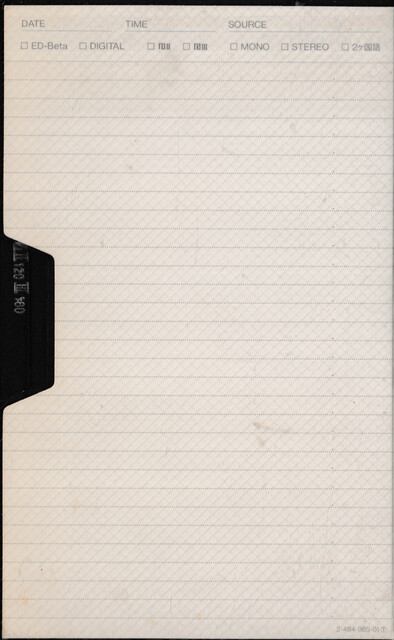
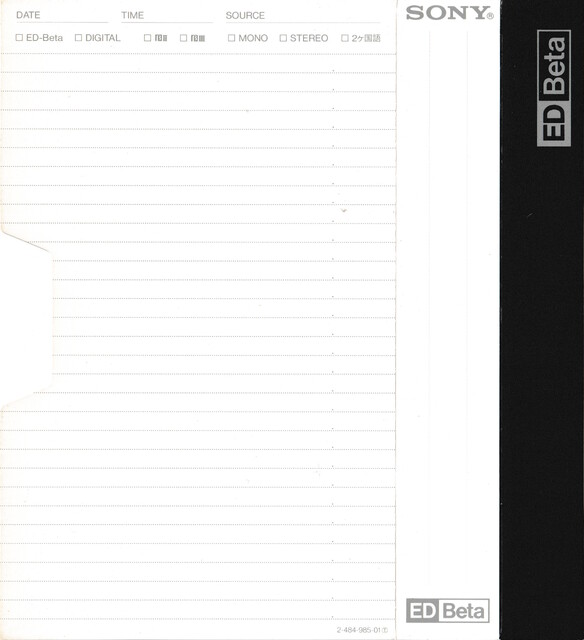
ED Beta insert card |
 |
 |
 |
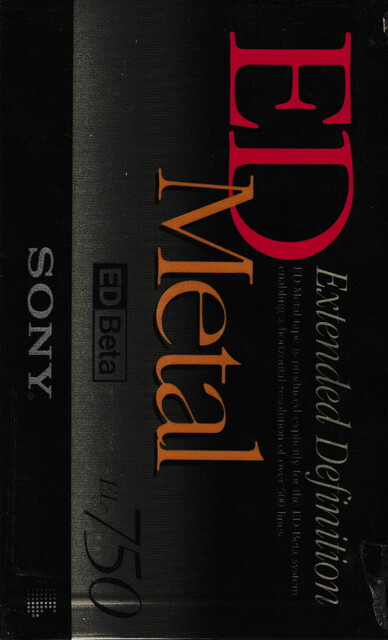
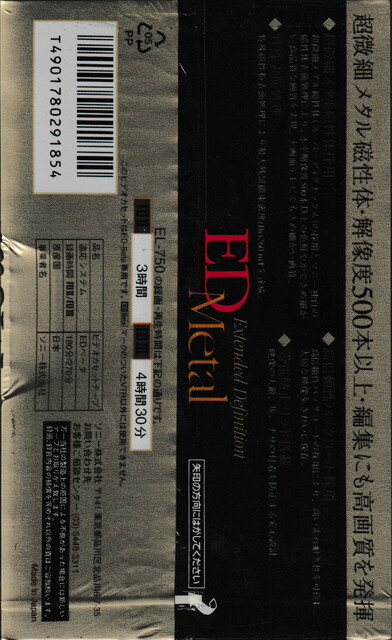
Late 80s metal particle
EL750 for use in Extended Definition Betas |